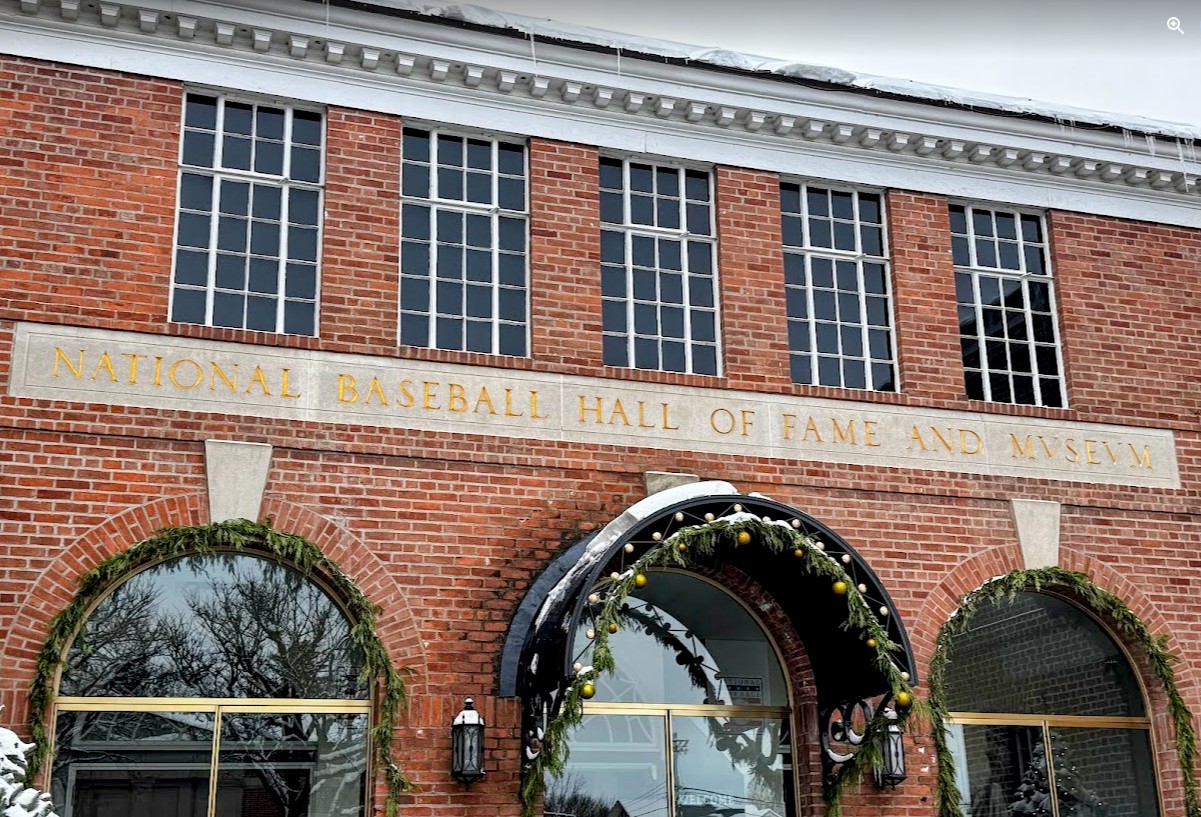
Introduction
Let me get one thing out of the way early. As much as I am a fan of watching baseball games on TV after a day of work, I am an even bigger fan of baseball history. I’ve watched baseball documentaries, read baseball books, memorized statistics on Baseball Reference, and played nearly every archived game available on Immaculate Grid. I know my infatuation with the game’s rich legacy isn’t particularly unique, but it is certainly a big part of who I am.
And yet, until recently, I still had never made it to the National Baseball Hall of Fame and Museum in Cooperstown, New York. A place so sacred in the world of baseball, hundreds of thousands of fans around the world make the journey each year despite it not being particularly easy to get to (more than four hours from New York City and about a 90 minute drive from the closest airport in Syracuse). When I found myself in Central New York this winter, I knew this would be the time I finally crossed it off my baseball bucket list.
As an avid baseball fan, here are the seven things that surprised me most about the Baseball Hall of Fame and Museum.
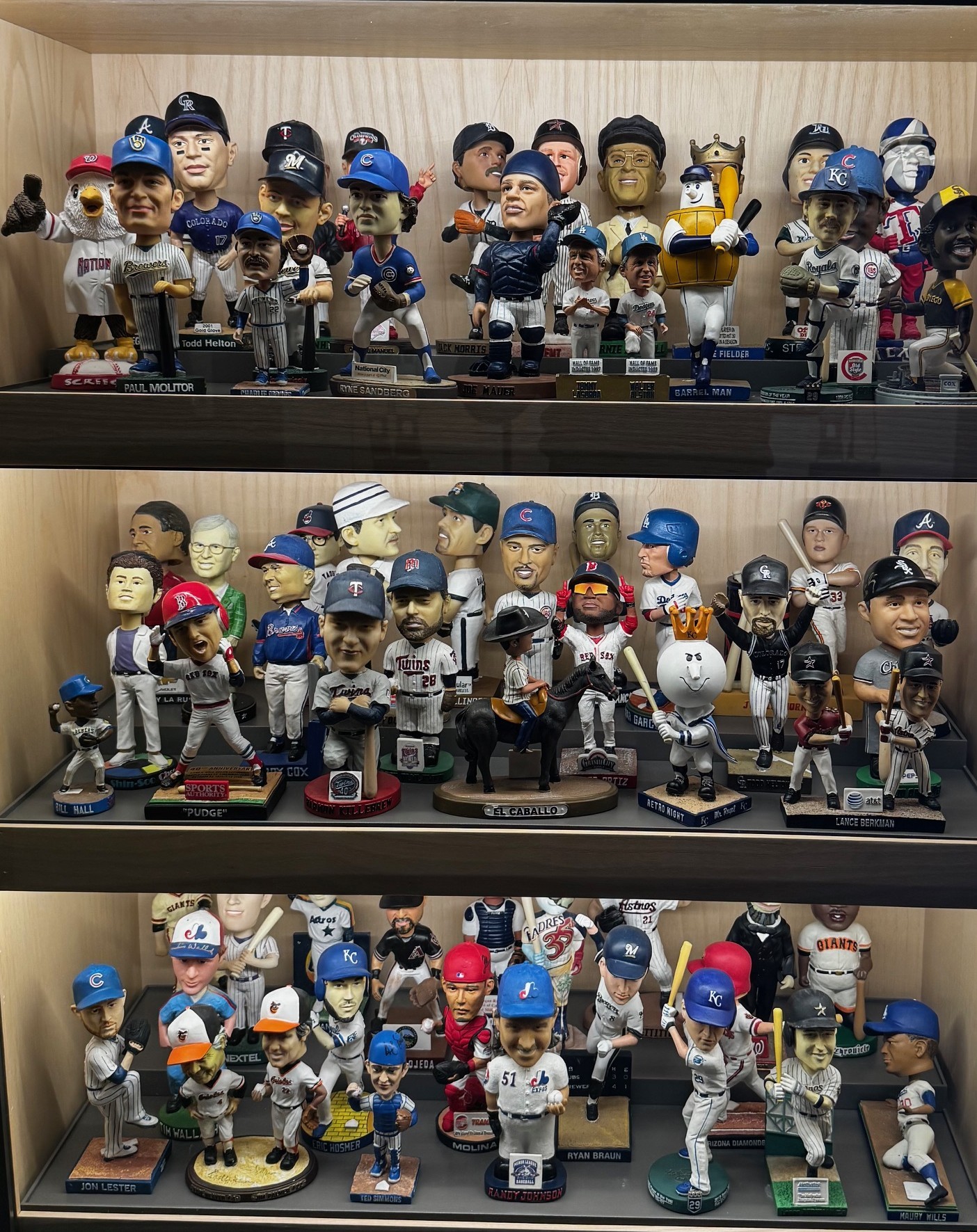
The Getting the Nod Bobblehead Collection was one of the highlights. The entire shelving system vibrates, letting you enjoy the bobbleheads in all their bobbling glory.
The memorabilia in the collection goes far beyond game-used uniforms and equipment
Like everyone who goes to Cooperstown, I expected to see the bats swung by Roberto Clemente, Hank Aaron, and Willie Mays. What I did not expect was to see Pope Francis’s “Rookie” baseball card, a bobblehead depicting Duane Kuiper’s lone career home run, or original movie props from Field of Dreams. The museum captures and explains the cultural impact of baseball almost as much as it memorializes the game itself.
There is a vast baseball card section where thousands of cards are on display from the oldest Allen and Ginter tobacco-era cards through modern Topps designs. The “Holy Grail” wall includes treasures like the T206 Honus Wagner and the 1952 Topps Mickey Mantle. They even have a wall of non-baseball collectible cards, making this part of the museum worth a visit on its own.
The “Baseball at the Movies” exhibit houses props, original scripts, and artifacts from movies such as The Natural, Bull Durham, Field of Dreams, and A League of Their Own. And then there are the bobbleheads, an exhibit I found out had just opened in mid-2025. I happened to visit on a quiet day, and stepping into the gallery of over 700 bobbleheads was surreal. But what was even cooler is that all the bobbleheads are on motorized shelving that's motion activated. As you walk in, the shelves come alive and hundreds of bobbleheads start shaking in unison. Never seen anything like it.
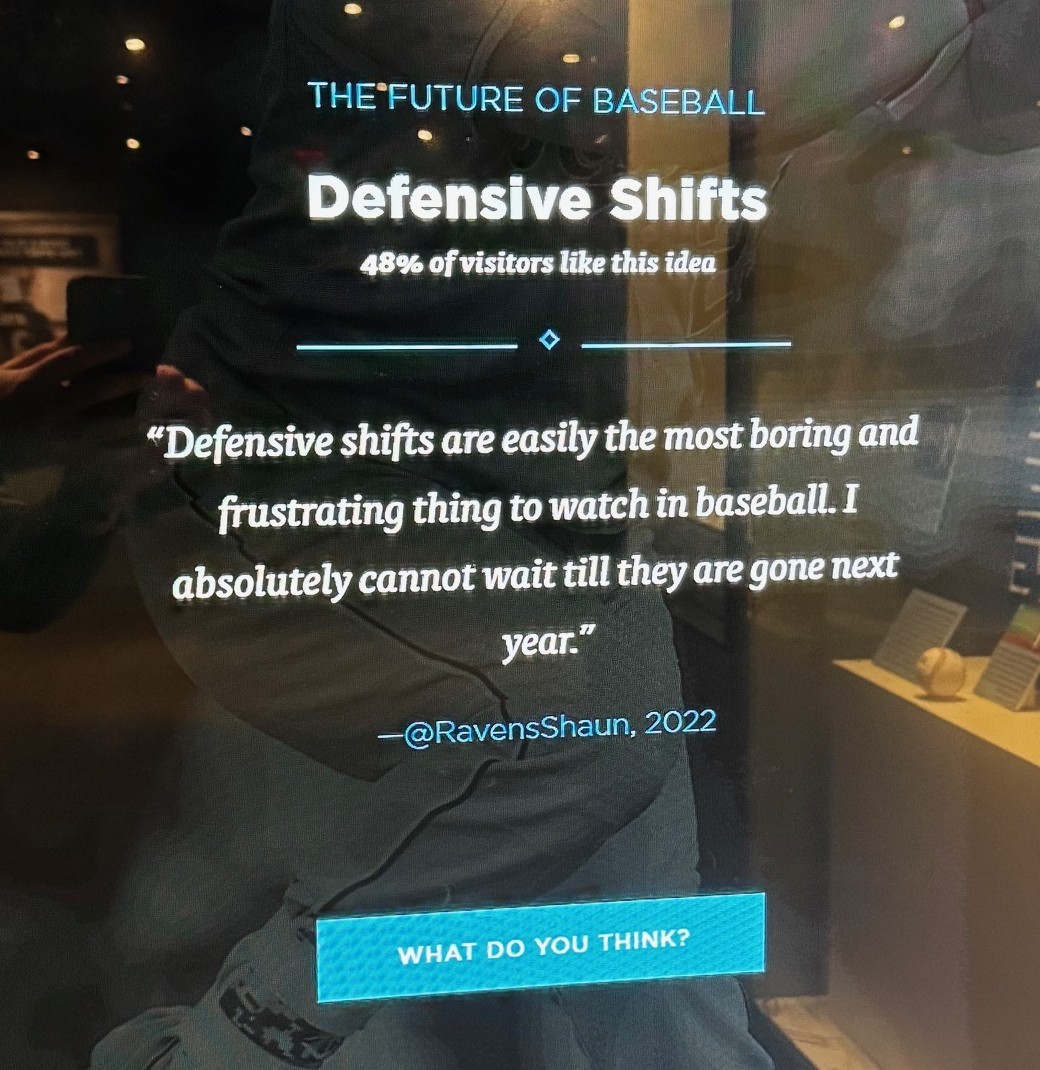
The Feedback Stations at the Baseball Hall of Fame let fans tell the world what they think about rule changes and other topics that tend to generate conversation.
The museum tackles controversy head on
Baseball is no stranger to controversy; it is as much part of the game as Babe Ruth or the home run. Especially in recent years, there has been much debate on whether players from baseball’s steroid era, particularly Barry Bonds, Roger Clemens, and Mark McGwire, deserve to be inducted into the Hall. In a similar vein, the troubled history of Pete Rose both on and off the field kept him on baseball’s permanently ineligible list for decades until his reinstatement in 2025.
The museum doesn’t gloss over any of this. In fact, it almost celebrates the controversy and understands that one cannot tell the story of baseball without talking about the home run chases of the 2000s or Rose’s 4,256 career hits. Bonds may not have a plaque in the hall, but his game-used bats and home run baseballs, McGwire’s jersey, and Clemens’ cleats are all displayed where you would expect to find them, with thoughtful contextual language explaining their importance.
The museum does an impressive job of balancing the good, the bad, and the ugly in sharing baseball’s legacy and invites conversations and engagement on controversial topics from all visitors. One of the coolest parts of the museum is the presence of feedback stations, where visitors can input their opinion on topics such as gambling on baseball or the impact of performance enhancing drugs.
From the moment you walk in, the museum acknowledges the reason the Hall of Fame is located in Cooperstown is because of the myth that General Abner Doubleday invented the game there in 1835. But the language also acknowledges this error with the quote “Doubleday didn’t invent baseball, but rather baseball invented Doubleday,” and uses it to explain how the game’s imperfections are part of its beauty. I thought that was a great foundation for contextualizing the rest of the museum.
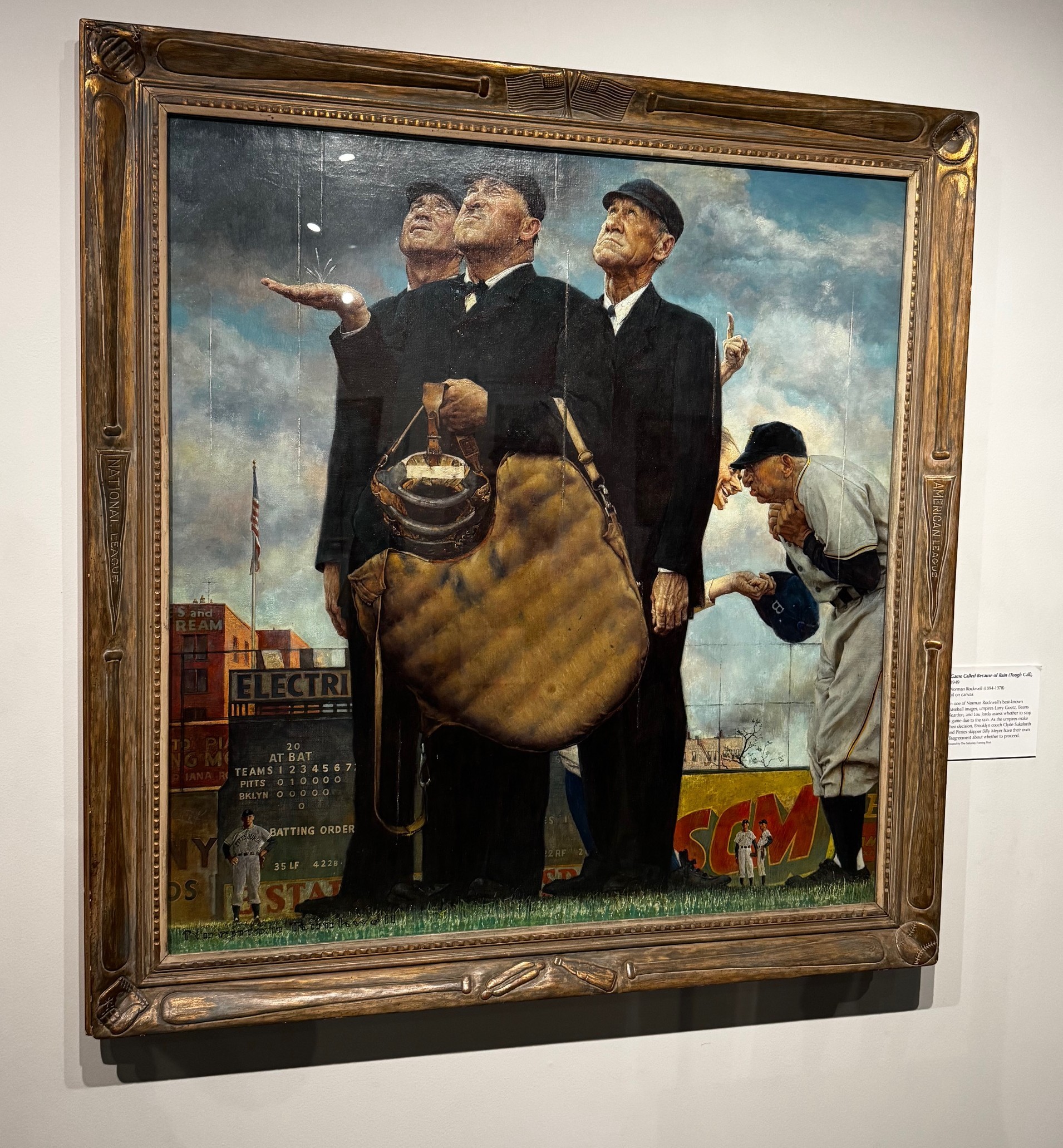
Norman Rockwell's 1979 painting "Game Called Because of Rain (Tough Call)
There's an art gallery in the museum, and it’s spectacular
On the first floor, the “Art of Baseball” exhibit displays a portion of the museum’s extensive art collection, which includes paintings, sculptures, drawings, photography, ceramics, and more. The art depicts some of the game’s most famous players from the 19th century to the present.
One of my favorites was Norman Rockwell’s 1949 painting Game Called Because of Rain (Tough Call), showing umpires deliberating whether to stop a rain-soaked game. Other highlights included a Warhol portrait of Tom Seaver and a whimsical sculpture titled Rejects from the Bat Factory. It's definitely worth spending a few minutes in the gallery even if art museums aren't necessarily your forte.
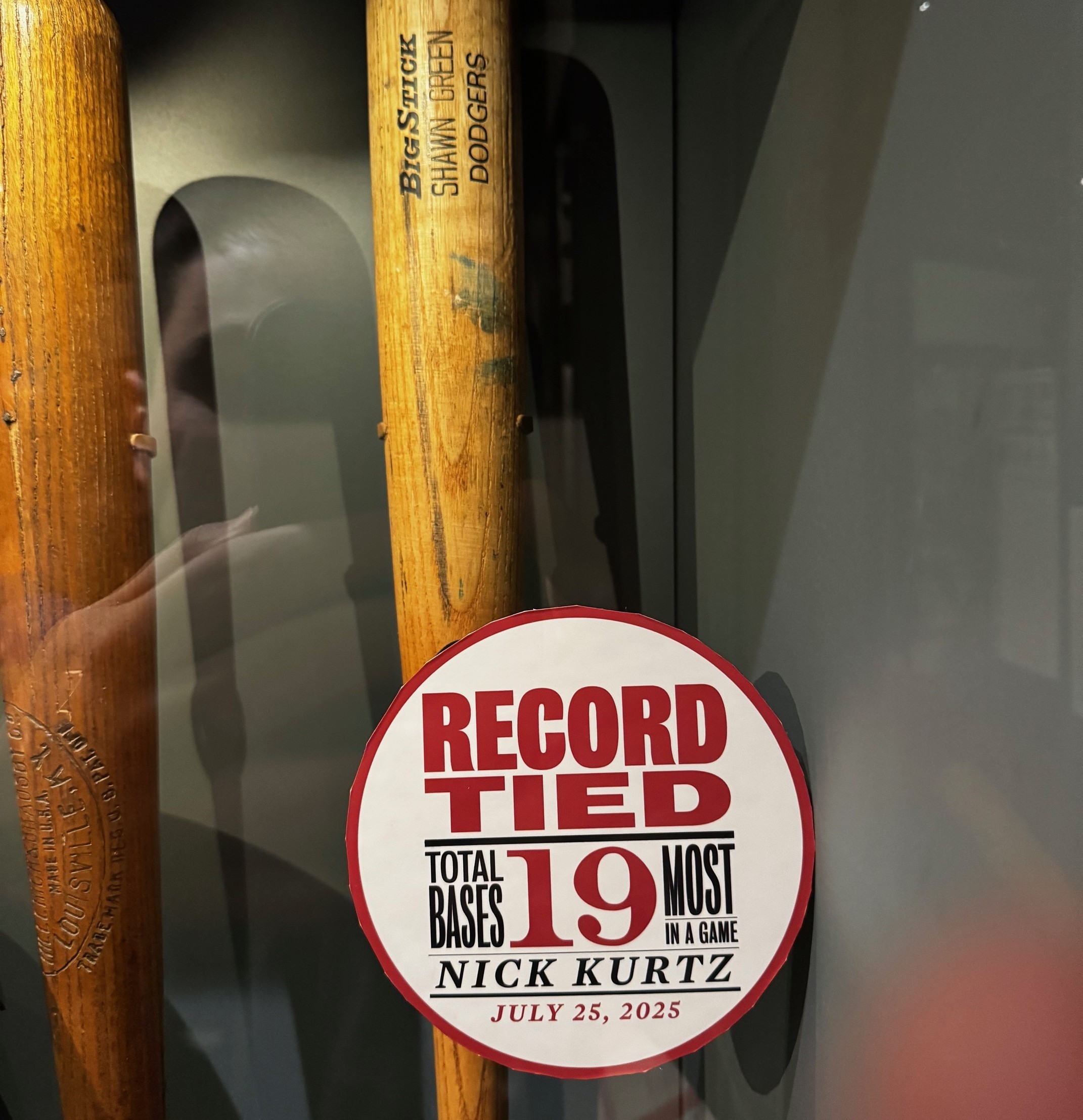
Nick Kurtz's bat from a game just a few months earlier was already in the museum.
The curators keep the museum ultra-fresh
It shouldn’t surprise anyone that the museum features exhibits on the newest Hall of Fame inductees. When I visited, Ichiro Suzuki, CC Sabathia, and Dave Parker were featured prominently. Recent postseason artifacts from the 2025 World Series were also on display, including Shohei Ohtani’s jersey and Miguel Rojas’ Game 7 bat which he used to hit his legendary game-tying 9th inning homer.
But the updates go beyond players and championships. Modern rule changes are included too, with exhibits on larger bases and pitch clock enforcement devices. A piece of Tropicana Field’s roof that was damaged in Hurricane Milton made an unexpected appearance alongside items like the hat of Jen Pawol, the first female to umpire a major league game.
And the section that celebrates baseball records is also kept up to date, with displays noting when records are tied or broken. I noticed, for example, that Shawn Green's record of 19 total bases in a single game had already been amended to state that Nick Kurtz of the Athletics had tied the record just a few months ago. With so many records in baseball, it's truly amazing that as far as I could tell, everything was kept very fresh.
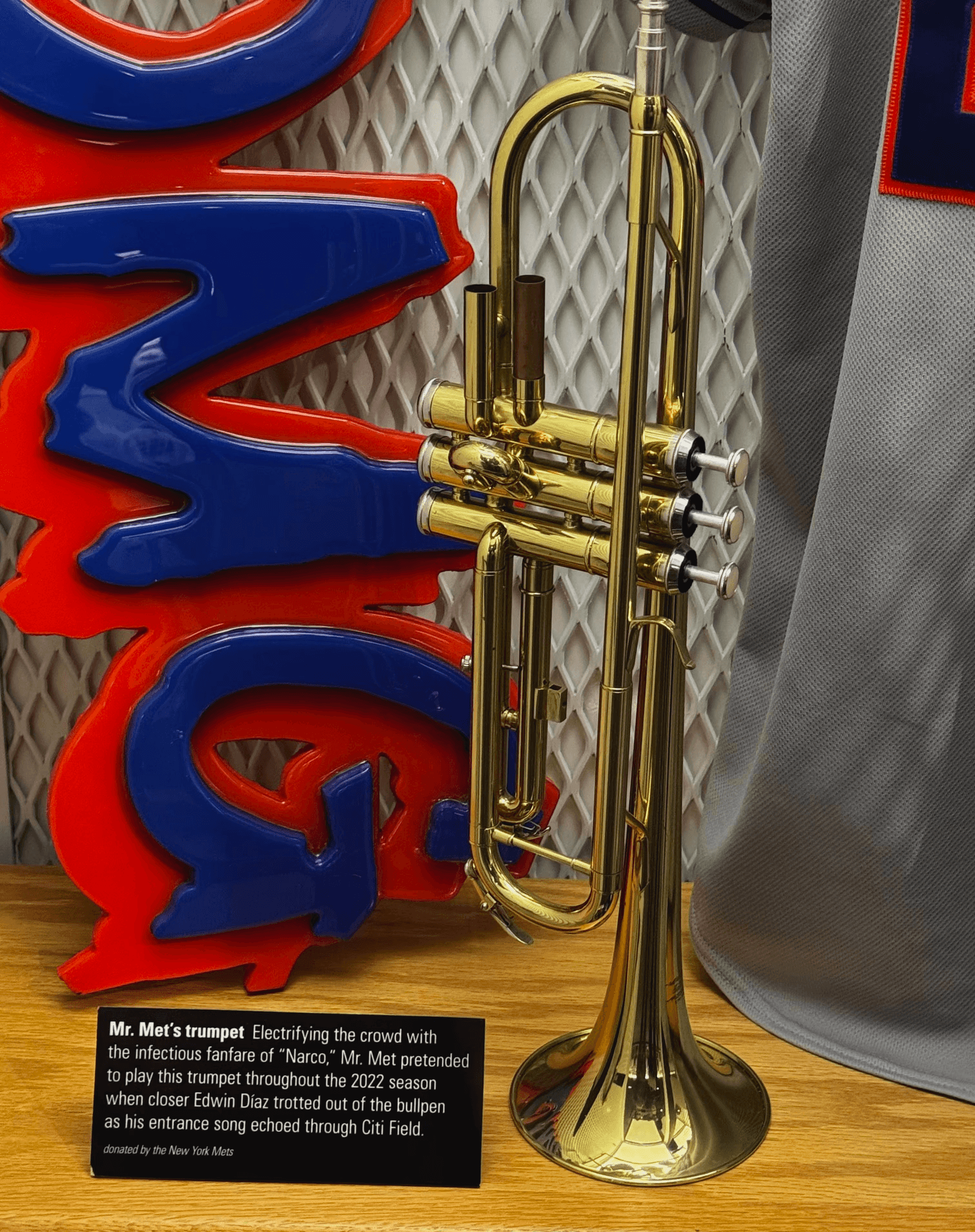
Mr. Met's Trumpet was found within the "Your Team Today" exhibit in the Met's Locker.
There’s (really) something for everyone
One fear any baseball fan might have when planning this trip is that their partner, family, or kids might be bored. But there really is something for everyone across the three floors. Besides art and memorabilia, many other collections transcend the game itself.
There is an exhibit on multi-sport athletes like Bo Jackson, a showcase on the evolution of World Series rings, and a massive locker-room themed gallery called “Your Team Today” that features artifacts for every major league team. You really can find something unique in each team’s section, from a real trumpet Mr. Met would pretend to play during Edwin Diaz entrances, all the way to jerseys and hats tied to iconic team moments.
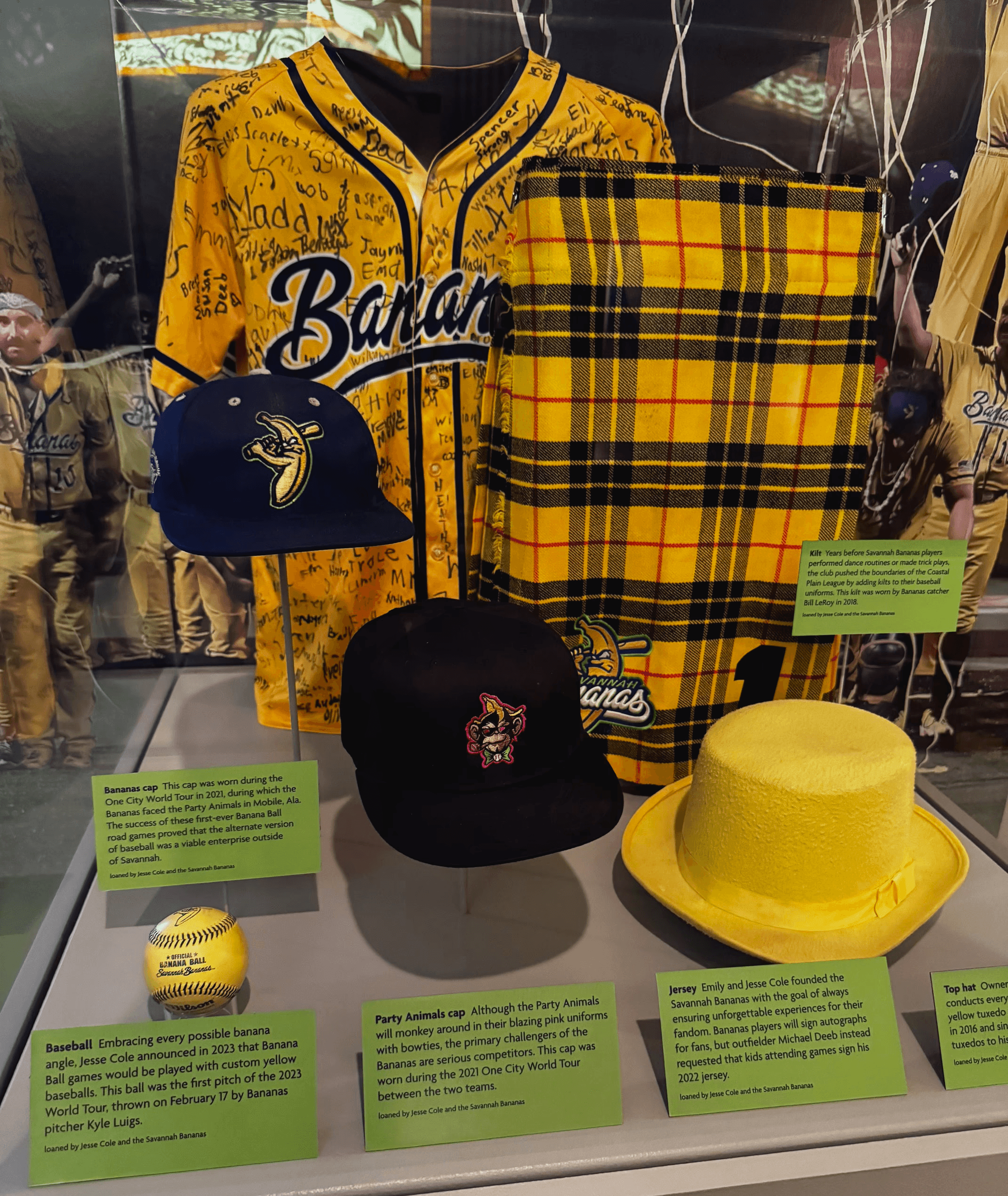
The Savannah Banana display case.
It celebrates the sport itself, not just Major League Baseball
One of the most pleasant surprises at the Hall of Fame is how intentionally broad its definition of baseball really is. While Major League Baseball is at the center of the story, the museum makes it clear that the sport’s history and impact stretch far beyond one league, one country, or one era.
Several galleries highlight baseball’s global reach, most notably a major exhibit exploring the long and influential relationship between American and Japanese baseball. Through artifacts, uniforms, and personal stories, the exhibit traces decades of cultural exchange, from early international tours to modern stars who built Hall of Fame careers on both sides of the Pacific. Nearby, the museum’s Negro Leagues exhibits provide a powerful and essential account of Black baseball in America, honoring the leagues, teams, and players who shaped the sport during segregation and whose influence still resonates throughout today’s game. It's no comparison to the Negro Leagues Hall of Fame Museum in in Kansas City, but it's nevertheless a solid tribute worth checking out.
That same sense of inclusivity continues in exhibits focused on Latin American baseball, which celebrate the deep roots and enormous contributions of players and fans from countries like the Dominican Republic, Venezuela, Cuba, and Puerto Rico. These displays emphasize how baseball became woven into national identities across the Caribbean and Latin America, and how that passion continues to fuel the modern game.
The museum also gives long overdue attention to women’s roles in baseball history. Exhibits highlight women players from the 19th century, the All-American Girls Professional Baseball League, and more recent trailblazers who have broken barriers as umpires, executives, and broadcasters. Together, these stories reinforce that baseball’s history has never belonged to just one group.
Even the game’s most unconventional modern expressions have a place here. A small display dedicated to the Savannah Bananas captures how creativity, entertainment, and fan engagement are helping baseball reach new audiences today. Seeing their yellow jerseys and signature flair alongside century-old artifacts drives home a simple truth. The Hall of Fame is not just preserving Major League Baseball. It is preserving the spirit of baseball itself, in all the forms it has taken and continues to take around the world.
The museum experience is really, really good
Full disclosure here: I visited during the peak of the off-season when Cooperstown had very few visitors. But beyond the exhibits, the Hall of Fame and Museum seemed extremely well managed; the visitor experience feels about as good as it can get. From the moment you walk in, you are greeted by friendly and knowledgeable staff who help you plan your visit based on how much time you have.
The newly renovated Grandstand Theater plays a 15-minute film, Generations of the Game, which sets the tone for your visit with narrations that bring the impact of baseball and Cooperstown to life. I'd say it's mandatory viewing for first time visitors. It is very well made.
Something I had not seen in other museums is that visitors receive wristbands allowing them to leave and re-enter the museum on the same day, which can be especially nice for visitors planning on spending a full day at the museum but want to step out for some lunch in the middle of the day.
Displays throughout the galleries include video highlights of iconic moments alongside the actual memorabilia that made them unforgettable. I loved seeing George Brett’s infamous meltdown during the pine-tar incident, exploding at the umpires, right next to the very bat that was at the center of the controversy.
And if you want to prepare before you get there, the museum’s website lets you search what is on display, including team specific artifacts so you can plan what you absolutely do not want to miss.
The museum gift shop is also worth a browse, selling everything from autographed Hall of Fame baseballs to baseball cards and bobbleheads from every era of the game.
Conclusion
The National Baseball Hall of Fame and Museum is far more than a shrine to statistics and plaques. It is a living, thoughtfully curated celebration of baseball’s history, culture, controversies, and global reach. Whether you are a lifelong fan or a casual visitor, a trip to Cooperstown offers a deeper appreciation for why the game continues to matter.


" width="24px"><path d="M 0 0 L 24 0 L 24 21.231 L 0 21.231 Z" fill="transparent" height="21.230768474975793px" id="nL2EwDcS9" width="24px"/><path d="M 0 0.541 C 0 0.242 0.245 0 0.547 0 L 2.735 0 C 3.037 0 3.282 0.242 3.282 0.541 L 3.282 4.598 C 3.282 4.897 3.037 5.139 2.735 5.139 L 0.547 5.139 C 0.245 5.139 0 4.897 0 4.598 Z" fill="rgb(196, 217, 201)" height="5.138657337892187px" id="hZ_rlBe_S" transform="translate(0 16.092)" width="3.2820512820512358px"/><path d="M 0 0.541 C 0 0.242 0.245 0 0.547 0 L 2.735 0 C 3.037 0 3.282 0.242 3.282 0.541 L 3.282 7.843 C 3.282 8.142 3.037 8.384 2.735 8.384 L 0.547 8.384 C 0.245 8.384 0 8.142 0 7.843 Z" fill="rgb(230, 211, 160)" height="8.38412513024521px" id="HgVBxIz3e" transform="translate(5.128 12.847)" width="3.282051282051235px"/><path d="M 0 0.541 C 0 0.242 0.245 0 0.547 0 L 2.735 0 C 3.037 0 3.282 0.242 3.282 0.541 L 3.282 12.982 C 3.282 13.281 3.037 13.523 2.735 13.523 L 0.547 13.523 C 0.245 13.523 0 13.281 0 12.982 Z" fill="rgb(232, 207, 164)" height="13.522782468137464px" id="utgrDnoM9" transform="translate(10.325 7.708)" width="3.282051282051377px"/><path d="M 0 0.541 C 0 0.242 0.245 0 0.547 0 L 2.735 0 C 3.037 0 3.282 0.242 3.282 0.541 L 3.282 16.498 C 3.282 16.797 3.037 17.039 2.735 17.039 L 0.547 17.039 C 0.245 17.039 0 16.797 0 16.498 Z" fill="rgb(233, 196, 166)" height="17.038705909853153px" id="OLOhW6STz" transform="translate(15.521 4.192)" width="3.2820512820512384px"/><path d="M 0 0.541 C 0 0.242 0.245 0 0.547 0 L 2.735 0 C 3.037 0 3.282 0.242 3.282 0.541 L 3.282 20.69 C 3.282 20.989 3.037 21.231 2.735 21.231 L 0.547 21.231 C 0.245 21.231 0 20.989 0 20.69 Z" fill="rgb(217, 170, 153)" height="21.230768474975793px" id="H5Z8wcwkd" transform="translate(20.718 0)" width="3.2820512820512278px"/></g></svg>)