Back to London Attractions
Pro tip: The best tactic for visiting the Crown Jewels is to book an early morning ticket, and bee-line straight to it after you've entered the gates. The crowds will built up very quickly after opening.
How Far in Advance to Book a Visit to the Tower of London
Updated August 2026
Its official name is His Majesty's Royal Palace and Fortress of the Tower of London, and that accumulation of titles is not pomposity: it is history. In a single complex of towers, walls, and courtyards on the north bank of the Thames, this building has been all of those things and more. William the Conqueror began the White Tower in 1078 to assert his authority over his newly conquered kingdom, and for the nine and a half centuries since, the Tower of London has served, at different times and often simultaneously, as a royal palace, a fortress, a prison for kings and queens and commoners alike, a place of execution, the home of the Royal Mint, a menagerie holding lions and polar bears and an elephant, an armoury, a records office, and since 1303 the repository of the Crown Jewels of England. Today, as a UNESCO World Heritage Site managed by the charity Historic Royal Palaces, it is one of the most visited paid attractions in Britain, receiving around 2.5 million visitors a year, and it is one of the very few places in the country where the accumulation of actual history on a single site is so dense that the experience of being there is unlike anything a museum reconstruction or a heritage centre can replicate. This guide covers everything you need to know before you visit.
At a Glance
How Early to Book:
During peak season, book tickets 1-2 days ahead of your visit for general entry. Book 2 months ahead for the Ceremony of the Keys.
Varies depending on season, anywhere between 2 and 9 months ahead.
Best Times to Visit:
Mornings and late afternoons are least crowded, especially Friday evenings.
Ticket price:
£37 for adults for standard admission.
Where to Book:
Landmark Address:
Do You Need to Book Tower of London Tickets in Advance?
Yes, you should 100% book tickets ahead of time. Booking tickets online in advance is cheaper than walk-up, saves you from queuing at the ticket office on arrival, and is the single most practical step you can take before any Tower of London visit. During peak season (school holidays, summer weekends, and bank holidays) the difference between a pre-booked ticket and a walk-up visit can easily be 20 to 40 minutes of additional queuing time before you even enter the site.
Book through the official Historic Royal Palaces website. This is the only official booking platform and always carries the most competitive prices. Note that there is no fast-track entry option at the Tower of London: all visitors, including those with pre-booked tickets, pass through a bag check and security before admission. Pre-booking eliminates the ticket office queue but does not eliminate security, which is a separate and unavoidable process.
Historic Royal Palaces (HRP) membership: Members of Historic Royal Palaces do not need to pre-book for standard general admission. Simply show your membership card at the gate, with ID if required. HRP membership covers unlimited free entry to the Tower of London as well as Hampton Court Palace, Kensington Palace, Banqueting House, and Hillsborough Castle. Individual annual membership starts at around £5 per month and pays for itself very quickly for visitors who plan more than one Tower visit or who want to attend the members-only Ceremony of the Keys (see the Ceremonies section below). For London-based visitors or those planning a multi-palace itinerary, membership is one of the best-value cultural investments available.
The London Pass covers Tower of London admission and could be worth comparing against individual ticket prices if your London itinerary includes multiple paid attractions across several days. You can read more about how to evaluate city museum passes here.
What your admission ticket includes: All open public areas of the Tower, including: the Crown Jewels in the Jewel House; the White Tower and its displays; the Battlements and wall walk; the Bloody Tower; the Torture at the Tower exhibition; the Fusiliers Museum; and the Royal Mint exhibition. The Yeoman Warder guided tour is also included, subject to availability.
Tower of London Opening Hours and Entry Information
The Tower of London operates two seasonal schedules:
Summer hours (1 March to 31 October):
Tuesday to Saturday: 9:00am to 5:30pm (last admission 4:30pm)
Sunday and Monday: 10:00am to 5:30pm (last admission 4:30pm)
Winter hours (1 November to 28 February):
Tuesday to Saturday: 9:00am to 4:30pm (last admission 3:30pm)
Sunday and Monday: 10:00am to 4:30pm (last admission 3:30pm)
Last Yeoman Warder guided tour: 3:30pm in summer; check for winter tour times on arrival.
The Tower is closed on 24, 25, and 26 December and on 1 January.
On bank holidays other than the above, the Tower operates on its regular daily schedule.
Gun salutes: The Tower Wharf closes at least one hour before Royal Gun Salutes take place (at 13:00, usually 62 rounds), and the Wharf also closes the evening before each gun salute from 18:00 to 21:00 for rehearsals. The 13:00 Yeoman Warder tour is cancelled on gun salute days; tours recommence at 13:30. If your visit coincides with a gun salute date (these mark royal anniversaries and occasions), check the schedule on the HRP website.
Always check the current closures on the website before your visit, as conservation work is ongoing across the site and the list of affected areas changes periodically.
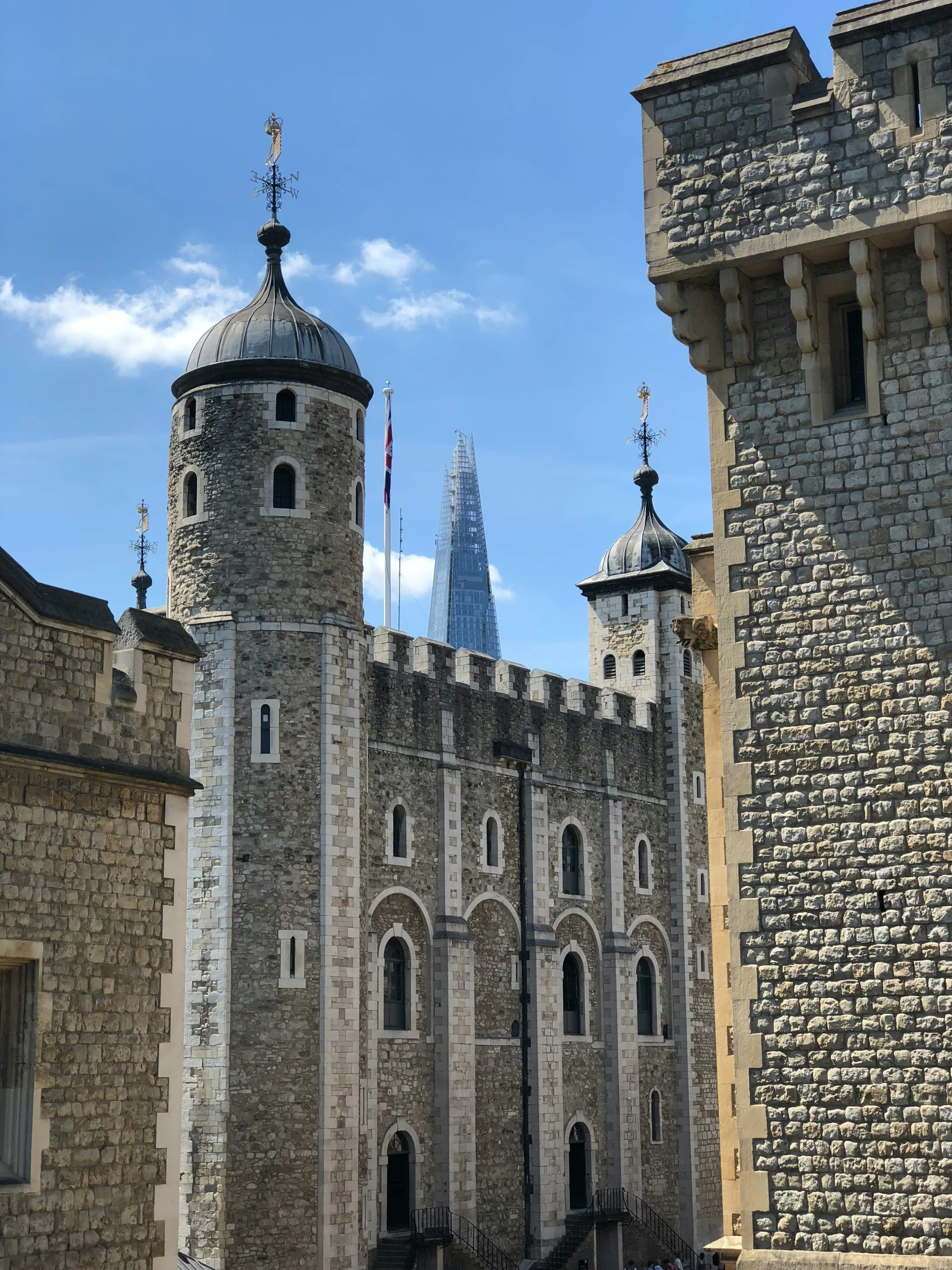
What is the Best Way to Get to the Tower of London?
The Tower is located on Tower Hill, EC3N 4AB, on the north bank of the Thames between London Bridge and Canary Wharf, and is very well served by public transport.
By Tube (recommended): The dedicated station is Tower Hill (Circle and District lines), which exits directly onto Tower Hill with the Tower's west gate visible from the station. The walk from exit to visitor entrance takes around two to three minutes. This is the most direct and convenient approach from the majority of central London.
By DLR: Tower Gateway (DLR) is immediately adjacent to Tower Hill Underground station and is useful for visitors arriving from Canary Wharf, Greenwich, or the East End.
By Rail: London Bridge (National Rail and London Underground) is around 15 minutes on foot, crossing Tower Bridge or taking the riverside path. Fenchurch Street station (National Rail) is around 10 minutes on foot.
By River Bus (Thames Clippers): Tower Pier is directly adjacent to the Tower's riverside entrance on the Wharf and is served by Thames Clippers river bus services. This is a scenic and underused approach, connecting the Tower with Greenwich, Canary Wharf, London Bridge, the South Bank, and the West End. On days when the Wharf is open, arriving by river is one of the most atmospheric ways to approach the Tower. Check the gun salute schedule before planning a river arrival, as the Wharf closes on salute days.
By bus: Multiple bus routes serve Tower Hill, including the 15, 42, 78, and 100. The sightseeing bus routes also stop at Tower Hill.
On foot: The Tower is around 20 minutes on foot from St Paul's Cathedral, 20 minutes from the South Bank (via Tower Bridge), and 15 minutes from London Bridge. The riverside walk from London Bridge along the south bank and across Tower Bridge provides one of the most scenic approaches.
By car: There is no on-site car parking. The Tower Hill Coach and Car Park has Blue Badge spaces nearby; an interactive City of London map shows all Blue Badge bays in the area. Drop-off points for coaches or taxis are on Lower Thames Street, a two-minute walk from the Tower. Driving to the Tower from central London is strongly discouraged given traffic and parking constraints.
What is the Best Time to Visit the Tower of London?
Timing your visit significantly affects both cost and comfort.
Early morning on a weekday (Tuesday to Thursday) is consistently the best time. Arriving at the gates before or at 9:00am opening gives you the Crown Jewels exhibition before the queue at the Jewel House builds, the White Tower in near-solitude, and the widest range of Yeoman Warder tour departure times to choose from. The first hour of any Tower visit is measurably more comfortable than the midday and early afternoon period.
The Crown Jewels queue in particular builds rapidly after mid-morning. On a busy summer weekend, the queue to enter the Jewel House can extend to 30 minutes or more even once you are inside the walls. Going to the Jewel House first, before exploring the rest of the site, is legendary advice that big-brained tourists swear by.
Weekday afternoons from around 3:00pm are another useful window. Many visitors clear out in the mid-afternoon as the day passes and families with young children move on, and the site is noticeably calmer in the final 90 minutes before closing. This is not a complete visit window given the last admission and last Yeoman Warder tour times, but it suits visitors who want a focused late-afternoon experience rather than a comprehensive visit.
Weekends and school holidays are the busiest periods, with peak pressure from around 11:00am to 2:00pm. If a weekend visit is unavoidable, arriving at gate-opening (10:00am on Sundays and Mondays) and going straight to the Jewel House is the most effective strategy.
Seasonally: The Tower is an outdoor-as-much-as-indoor attraction, with the Battlements, the wall walk, the Tower Green, and the Wharf all exposed to the elements. Late spring and autumn (April to May and September to October) offer the best combination of pleasant conditions and manageable crowds. Winter visits (November to February) are quieter, cheaper, and rewarding in their own right; the shorter hours require more focused planning, but the site in low winter light has a particular vibe that peak summer crowds obscure.
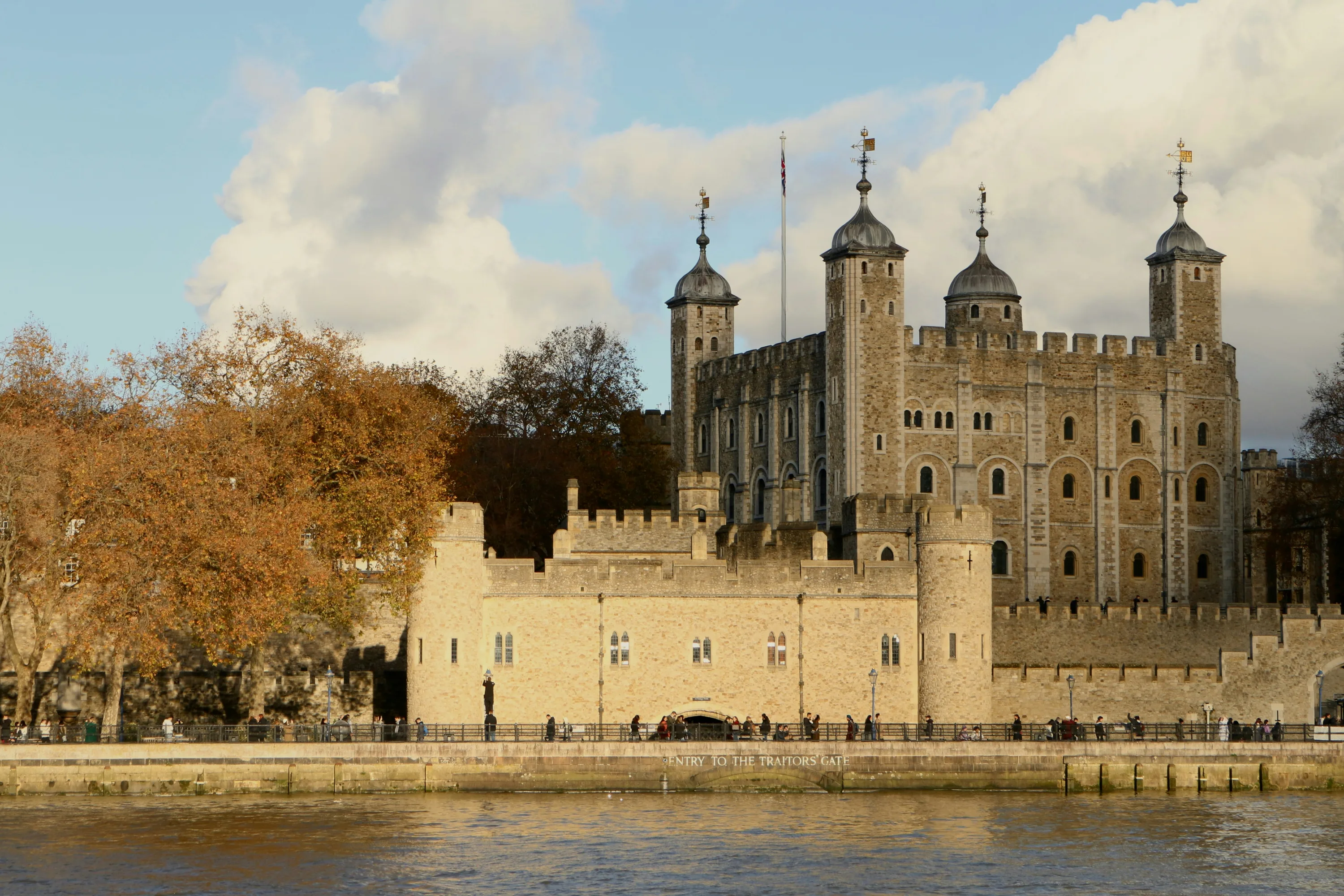
The Tower of London has served many different functions beyond being a prison. From the 1200s until 1835, it housed a "Royal Menagerie" with lions, polar bears, and an elephant.
Is the Tower of London Worth Visiting?
The Tower covers 12 acres and contains multiple towers, gateways, a great hall, chapels, museums, exhibitions, and nearly a thousand years of accumulated fabric. A first visit is best approached with priorities rather than an attempt to see everything.
The Crown Jewels (Jewel House): This is the unmissable highlight of the Tower, and for good reason. The collection held in the Jewel House includes over 100 objects and more than 23,000 gemstones, representing one of the most extraordinary accumulations of royal regalia in the world. The Imperial State Crown, worn by the monarch at the State Opening of Parliament, contains among its 2,868 diamonds the Black Prince's Ruby (actually a spinel, set in the crown since at least 1367), the Stuart Sapphire, St Edward's Sapphire, and the Cullinan II diamond, a 317-carat stone cut from the largest gem-quality diamond ever found. The Sovereign's Orb, the Sovereign's Sceptre with Cross, and the Coronation Spoon (the oldest object in the collection, dating from around 1200) are among the other outstanding pieces. The moving walkway past the main display cases prevents lingering on the busiest days; arriving early gives you time to step off and return for a second look. Photography is not permitted in the Jewel House.
The White Tower: The original Norman keep built by William the Conqueror, standing 27 metres tall at the heart of the complex, is one of the best-preserved examples of 11th-century military architecture in the world. Inside, the Line of Kings display presents a centuries-old tradition of displaying royal armour on horseback, and the collection of historic arms and armour is one of the most significant in Britain. The Chapel of St John the Evangelist on the second floor is one of the most complete Norman chapel interiors in England and is worth pausing in for its extraordinary simplicity and age.
The Bloody Tower: Where Sir Walter Raleigh was imprisoned for 13 years between 1603 and 1616, writing his History of the World while confined. The rooms are presented as they were during his imprisonment, and the story of the Tower Princes, the young Edward V and his brother Richard Duke of York who disappeared in the Tower in 1483, is told with appropriate uncertainty about their fate. The archway of the Bloody Tower is one of the most atmospheric passages in the complex.
The Battlements and Wall Walk: The medieval wall circuit provides elevated views into the Tower compound and across the Thames and the city, as well as access to the towers along the eastern and southern walls, including the Salt Tower, the Broad Arrow Tower, and the Lanthorn Tower. The wall walk is one of the sections of the Tower that rewards slower exploration and is significantly less crowded than the Jewel House and the White Tower.
The Ravens: Six ravens are kept at the Tower of London in fulfilment of the legend, documented from at least the 17th century, that if the ravens ever leave, the Tower and the kingdom will fall. The current ravens live on Tower Green and are among the most photographed inhabitants of any royal building. Their enclosure and feeding area are usually visible during a standard visit; the Ravenmaster, whose role exists solely to care for them, is one of the Yeoman Warders. The ravens are considerably larger than most visitors expect, and their personalities are as individual as their names.
The Yeoman Warders: The 37 Yeoman Warders, commonly known as Beefeaters, are the ceremonial guardians of the Tower and one of the most distinctive features of any visit. They have guarded the Tower since the reign of Henry VII, and today their role includes conducting the free guided tours included with admission. The tour lasts approximately one hour and departs from near the main entrance; the Yeoman Warder leading the tour will cover the highlights of the Tower's history with a combination of expertise and a tradition of entertainment that the role has always required. No booking is needed for the tour but spaces are limited; joining a tour on arrival rather than exploring independently first is the recommended approach on any visit.
The Torture at the Tower exhibition: Addresses the history and myth of torture at the Tower with a measured and scholarly approach, covering which instruments of torture were actually used here, which were merely exhibited as curiosities, and how the Tower's reputation as a place of suffering was constructed over the centuries.
The Chapel Royal of St Peter ad Vincula: The royal chapel within the Tower walls holds the burial remains of two of Henry VIII's six wives, Anne Boleyn and Catherine Howard, as well as Lady Jane Grey, who reigned as queen for nine days in 1553 before being imprisoned and executed, and Thomas More, Thomas Cromwell, and John Fisher among many other figures of Tudor and Stuart history. When it reopens, it is one of the most emotionally weighty spaces in the entire complex and should not be skipped.
How Much Time Should I Spend at the Tower of London?
I would recommend a minimum of two hours; although my more history-loving peers will consistently recommend three to four hours for a thorough visit. For families who want to move through the highlights at a child-friendly pace, half a day is realistic.
A rough guide:
Security and entrance: 10 to 20 minutes
Crown Jewels (Jewel House): 20 to 40 minutes (longer queue if not visiting first)
Yeoman Warder tour: 60 minutes
White Tower: 30 to 45 minutes
Bloody Tower and Battlements: 30 to 45 minutes
Ravens, Tower Green, Chapel (when open): 15 to 20 minutes
Torture exhibition and other galleries: 20 to 30 minutes
For visitors with a specific focus, the Crown Jewels plus the Yeoman Warder tour plus the White Tower represents the core three-hour visit. The Battlements, the Bloody Tower, and the Chapel are the most rewarding additions for those with more time.
The Ceremony of the Keys
The Ceremony of the Keys is the traditional locking up of the Tower of London and has taken place every single night without interruption for at least 700 years, through war, Blitz, flood, and pandemic. It begins at precisely 21:53 and is one of the most enduring ceremonial traditions in Britain.
For Historic Royal Palaces members: The Ceremony of the Keys is accessible as a benefit of HRP membership. Members can request attendance through the HRP membership portal.
For non-members: The Ceremony of the Keys is also accessible by booking a ticket on the HRP website. This is a really remarkable experience, and it feels very intimate because only about 30-40 people are able to attend each evening. You should book at least 1-2 months out to guarantee a spot.
Audio Guides and Seasonal Events at the Tower of London
Audio guides are available to purchase as an add-on when booking your tickets online. The Tower audio guide is narrated by Yeoman Warders and museum curators and covers the key spaces and stories of the Tower in multiple languages. It is a worthwhile addition, particularly for visiting the White Tower and the Battlements where the Yeoman Warder tour does not linger. A digital British Sign Language guide is also available.
Relaxed visits for neurodivergent and learning-disabled children and their families (Relaxed Hour at the Tower) are offered on selected dates before standard opening time, providing two hours free from crowds with free entry to the Tower and Crown Jewels, and access to relaxed and SEN programming. Booking is required; check the What's On page for dates.
Object handling sessions run at various points throughout the day in certain areas of the Tower, led by volunteers and featuring mail armour, coins, archaeological finds, and other objects from the collection. No booking required for standard sessions; check the daily programme at the entrance.
Gun salutes on Royal anniversaries and occasions are fired from the Tower Wharf and are free to watch from the riverbank. The Wharf is closed to visitors before and during the salutes; dates are listed on the HRP website.
Where Should I Eat at and Near the Tower of London?
For eating beyond the Tower cafe, the surrounding area offers some of London's best eateries and markets.
Borough Market, on the south bank of the Thames across Tower Bridge, is around 15 to 20 minutes on foot via Tower Bridge and one of the great food markets in Europe. Open for the full market Thursday to Saturday (and more limited trading Tuesday and Wednesday), it is the best destination for artisan food, street food, and produce in this part of London. The combination of a Tower of London morning and a Borough Market lunch is one of the finest half-day itineraries in the city.
Bermondsey Street, continuing south from Borough Market, has evolved into one of London's most interesting independent dining streets, with restaurants, wine bars, and cafés at a range of price points.
St Katharine Docks, immediately east of the Tower, has a cluster of restaurants, bars, and cafés around the historic dock basin, popular with visitors and office workers. The setting is pleasant; the quality of individual establishments varies.
Monument area and Leadenhall Market, around 10 to 15 minutes on foot to the north-west, offer a wider range of City dining options from casual to formal. Leadenhall Market, a Victorian covered market of extraordinary architectural beauty, has restaurants, bars, and cafés under its glass and iron roof and is worth visiting purely as a space.
Accessibility at the Tower of London
The Tower of London is a medieval fortress with uneven, worn, and sometimes slippery stone surfaces throughout. It is honest about the limitations this creates.
Wheelchair users and visitors with limited mobility can access several key areas of the Tower, including the Jewel House (Crown Jewels), which is fully wheelchair accessible, and the main courtyard areas. The White Tower involves steep internal staircases and is not accessible to wheelchair users. The Battlements and wall walk also present significant access challenges. The HRP accessibility page provides a detailed accessibility guide showing which areas are and are not accessible.
Wheelchair hire is available on site, subject to availability.
Blue Badge parking is not available on site. The nearby Tower Hill Coach and Car Park has Blue Badge spaces; a City of London interactive map shows all Blue Badge bays in the local area. Drop-off for taxis and coaches is on Lower Thames Street.
Digital British Sign Language guide is available for the Tower audio tour.
Complimentary carer/companion tickets are available. One carer ticket can be booked online with your own ticket; additional carers should contact HRP in advance.
Visitors who require additional access arrangements for the Ceremony of the Keys should note that the historic building features difficult stairs, low doorways, and passageways with restricted wheelchair access. Contact HRP in advance for specific requirements.
Rules, Bags, and Security
There are no left luggage facilities at the Tower of London. Suitcases and large or rolling bags are not permitted inside the Tower. Visitors arriving directly from travel with large luggage will be refused entry. Left luggage services are available at nearby stations including Fenchurch Street, London Bridge, and Liverpool Street. Do not arrive at the Tower with a suitcase.
All visitors pass through a bag check at the entrance. This is a fortress with limited entry points, and queuing for security is unavoidable. Building in 10 to 15 minutes of extra arrival time for security is sensible, particularly at peak periods.
Photography for personal, non-commercial use is permitted in most areas of the Tower, with the exception of the Jewel House, the Martin Tower, and some temporary exhibitions. No flash photography anywhere. No tripods or selfie sticks. Commercial photography requires advance permission from the HRP Press team.
Footwear: HRP specifically advises wearing appropriate footwear for the uneven and sometimes slippery historic surfaces throughout the site. Flat, grip-soled shoes are strongly recommended. High heels on cobblestones and worn stone steps are a practical and safety problem.
Smoking and vaping are prohibited inside all Tower buildings.
Emotional support animals are not permitted. Assistance dogs are welcome.
What Else is There to Do Near the Tower of London?
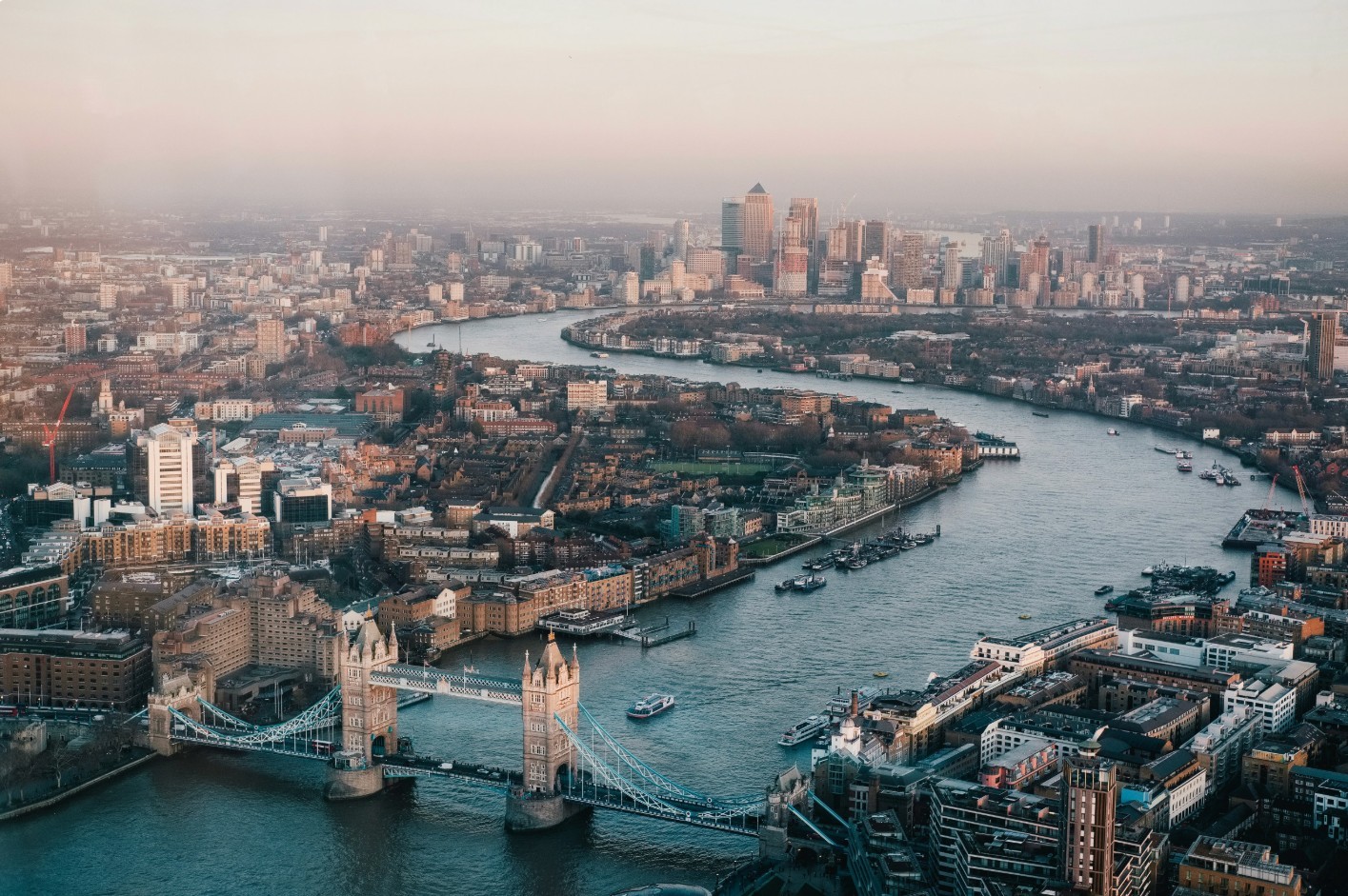
Tower Bridge is directly adjacent to the Tower and is one of the most recognisable structures in the world. The Tower Bridge Experience, entered via the north tower, allows visitors to walk across the high-level glass-floored walkways, see the original Victorian engine rooms, and learn the history of the bridge. A separate admission ticket is required. Booking online in advance is recommended. The combination of the Tower of London and Tower Bridge in a single day is one of the most historically rich and visually spectacular days London offers.
The Monument to the Great Fire of London, around 15 minutes on foot to the north-west, is the column designed by Christopher Wren to commemorate the 1666 fire. Admission is charged to climb the 311 steps to the viewing gallery at the top, which offers a panoramic view of the City of London from its historical centre. The Monument is one of the most underrated viewpoints in the city.
The Museum of London Docklands (Museum of London at Canary Wharf), accessible via the DLR from Tower Gateway, covers the history of London's docks and the communities that built and worked them. It is free to enter for the permanent collection and is a substantial companion museum to the Tower's story of royal and political London.
The South Bank walk from Tower Bridge westward through Bermondsey, Bankside, and the Tate Modern to the South Bank and the London Eye is one of London's great riverside walks, covering several of the city's most rewarding cultural and culinary destinations along a flat, traffic-free route.
Final Tips for Visiting the Tower of London
Book online in advance. The ticket is cheaper, and the time saved at the ticket office is real. There is no reason to pay more and queue longer.
Go to the Crown Jewels first. The queue for the Jewel House builds quickly after mid-morning. Making it your first destination after clearing security is the consistent and correct advice from every experienced Tower visitor.
Join the Yeoman Warder tour on arrival. The tours depart from near the entrance at regular intervals. Joining one immediately rather than exploring the site first and then trying to find a tour later makes logistical sense and provides the historical context that makes the rest of the visit significantly more meaningful. The last tour is at 3:30pm in summer; do not leave it until late in the afternoon.
Check the current closures before you go. The list of areas under conservation changes over the course of the year. Knowing in advance that Middle Tower is closed or that the Chapel Royal is not accessible sets appropriate expectations and allows you to plan alternative routes. The HRP opening and closing times page is the authoritative source.
Do not arrive with large luggage. There is no left luggage facility and large bags are not permitted. This is a firm policy. If you are travelling from elsewhere with a suitcase, deposit it at a station before heading to the Tower.
Wear sensible shoes. The cobblestones, worn stone stairs, and uneven surfaces throughout the site are a practical hazard for unsuitable footwear. This is one of the few dress-related practical considerations at any London attraction that is not about dress code but about safety.
Combine with Borough Market. A Tower morning followed by lunch at Borough Market, reached by walking across Tower Bridge and south along the Bermondsey riverside, is one of the most satisfying half-day combinations London offers. Both are among the finest of their kind in the country.
Consider HRP membership if you plan more than one palace visit. The Tower, Hampton Court, Kensington Palace, and Banqueting House are all covered by a single membership. At around £5 per month, a combined visit to two of these in a year makes membership the better-value option, with the additional benefit of members-only access to the Ceremony of the Keys.
Attend the Ceremony of the Keys if you can. Seven hundred years of unbroken nightly ritual, in an illuminated medieval fortress, with the Thames and Tower Bridge visible beyond the walls. It is one of the most distinctive experiences Britain offers. Book as far in advance as possible.
Back to London Attractions
Explore other London attractions
" width="24px"><path d="M 0 0 L 24 0 L 24 21.231 L 0 21.231 Z" fill="transparent" height="21.230768474975793px" id="nL2EwDcS9" width="24px"/><path d="M 0 0.541 C 0 0.242 0.245 0 0.547 0 L 2.735 0 C 3.037 0 3.282 0.242 3.282 0.541 L 3.282 4.598 C 3.282 4.897 3.037 5.139 2.735 5.139 L 0.547 5.139 C 0.245 5.139 0 4.897 0 4.598 Z" fill="rgb(196, 217, 201)" height="5.138657337892187px" id="hZ_rlBe_S" transform="translate(0 16.092)" width="3.2820512820512358px"/><path d="M 0 0.541 C 0 0.242 0.245 0 0.547 0 L 2.735 0 C 3.037 0 3.282 0.242 3.282 0.541 L 3.282 7.843 C 3.282 8.142 3.037 8.384 2.735 8.384 L 0.547 8.384 C 0.245 8.384 0 8.142 0 7.843 Z" fill="rgb(230, 211, 160)" height="8.38412513024521px" id="HgVBxIz3e" transform="translate(5.128 12.847)" width="3.282051282051235px"/><path d="M 0 0.541 C 0 0.242 0.245 0 0.547 0 L 2.735 0 C 3.037 0 3.282 0.242 3.282 0.541 L 3.282 12.982 C 3.282 13.281 3.037 13.523 2.735 13.523 L 0.547 13.523 C 0.245 13.523 0 13.281 0 12.982 Z" fill="rgb(232, 207, 164)" height="13.522782468137464px" id="utgrDnoM9" transform="translate(10.325 7.708)" width="3.282051282051377px"/><path d="M 0 0.541 C 0 0.242 0.245 0 0.547 0 L 2.735 0 C 3.037 0 3.282 0.242 3.282 0.541 L 3.282 16.498 C 3.282 16.797 3.037 17.039 2.735 17.039 L 0.547 17.039 C 0.245 17.039 0 16.797 0 16.498 Z" fill="rgb(233, 196, 166)" height="17.038705909853153px" id="OLOhW6STz" transform="translate(15.521 4.192)" width="3.2820512820512384px"/><path d="M 0 0.541 C 0 0.242 0.245 0 0.547 0 L 2.735 0 C 3.037 0 3.282 0.242 3.282 0.541 L 3.282 20.69 C 3.282 20.989 3.037 21.231 2.735 21.231 L 0.547 21.231 C 0.245 21.231 0 20.989 0 20.69 Z" fill="rgb(217, 170, 153)" height="21.230768474975793px" id="H5Z8wcwkd" transform="translate(20.718 0)" width="3.2820512820512278px"/></g></svg>)