Back to New York City Attractions
The Met (Metropolitan Museum of Art) New York: Everything You Need to Know Before You Visit
Updated July 2026
The Metropolitan Museum of Art, known to everyone as the Met, is the largest art museum in the Americas, holding over 1.5 million objects spanning 5,000 years of human creativity, from an entire ancient Egyptian temple to Van Gogh self-portraits. One admission ticket covers two separate museums on the same day: the main building on Fifth Avenue and the Met Cloisters, a reconstructed medieval monastery in Upper Manhattan that most people never even notice that they have already paid for. Knowing how the ticket system works, which entrance to use, and what is currently closed for construction will make the difference between a frustrating visit and one of the best museum days of your life.
At a Glance
How Early to Book:
Get tickets the night before to bypass queues. Tickets are valid for any time during the selected day; there are no time-slots. Same-day tickets can also be purchased at the door.
About 3 months in advance.
Best Times to Visit:
Early mornings, especially on Monday, Tuesday, and Thursday, will have the smallest crowds.
Ticket price:
$30 for adults.
Where to Book:
The Met Website
Museum Address:
Do You Need to Book Met Tickets in Advance?
I'll cut to the chase, no, advance booking is not required at the Met, and no, tickets do not sell out. This puts it in a different category from attractions like the Statue of Liberty crown or a Broadway show. You can walk up to the ticket desks in the Great Hall on any open day and buy admission on the spot.
That said, buying online in advance is still the smarter move because online tickets let you bypass the ticket desks entirely and proceed directly to any gallery entrance, which matters on busy days when the queues in the Great Hall can eat up 30 minutes of your morning. The security bag check at the door applies to everyone and cannot be skipped, but it usually moves quickly if you travel light.
Where to book: The only official platform is the Met's own website, where tickets are sold through its booking system. Tickets are dated but not tied to a time slot, so you can arrive whenever suits you on the day printed on your ticket.
Ticket prices:
Adults: $30
Seniors (65 and over): $22
Students: $17
Visitors with a disability: $22 (in person only; an accompanying care partner enters free)
Children 12 and under: free
New York State residents and NY, NJ, and CT students: pay what you wish (see the dedicated section below)
What is included: Every ticket includes all special exhibitions and same-day entry to both Met locations, the Fifth Avenue building and the Met Cloisters. There is no premium exhibition surcharge, which is unusual for a museum of this scale.
City passes: The Met is not covered by the New York CityPASS, the New York Pass, the Go City Explorer Pass, or the Sightseeing Pass. It was removed from the major pass line-ups back in 2022, and plenty of outdated guides still claim otherwise. If seeing the Met is a priority, do not buy a pass expecting it to be included; budget the $30 separately.
Refunds: Online general admission tickets are non-refundable, so only buy for a date you are sure about. Since walk-up tickets are always available, there is little risk in simply buying on the day if your plans are fluid.
How far ahead to book: There is no need to book weeks out. Buying online the evening before, or even on the morning of your visit, gives you the full line-skipping benefit.
Is the Met Free? Pay What You Wish Explained
The Met is free for children 12 and under and effectively free for New Yorkers, but not for anyone else. This is one of the most misunderstood things about the museum, largely because admission used to be pay-what-you-wish for everyone up until 2018.
Who qualifies: New York State residents, plus students enrolled in New York, New Jersey, or Connecticut, pay whatever they choose for admission. The minimum is one cent per ticket. Everyone else pays the fixed prices listed above.
How it works: Qualifying visitors state their price at the admissions desk and show proof, such as a New York driver's licence, IDNYC card, a bill with a New York address, a New York library card, or a valid student ID. Pay-what-you-wish tickets can be bought online only with a New York State billing address; New Jersey and Connecticut students must buy in person.
No free days: Unlike many major museums, the Met has no free evenings or free-entry days for general visitors. If you do not qualify for pay-what-you-wish, there is no calendar trick that gets you in without paying.
EBT cardholders: New York State EBT/SNAP benefit cardholders can sign up for a complimentary membership at any membership desk through the Museums for All programme, covering admission for up to two adults plus children.
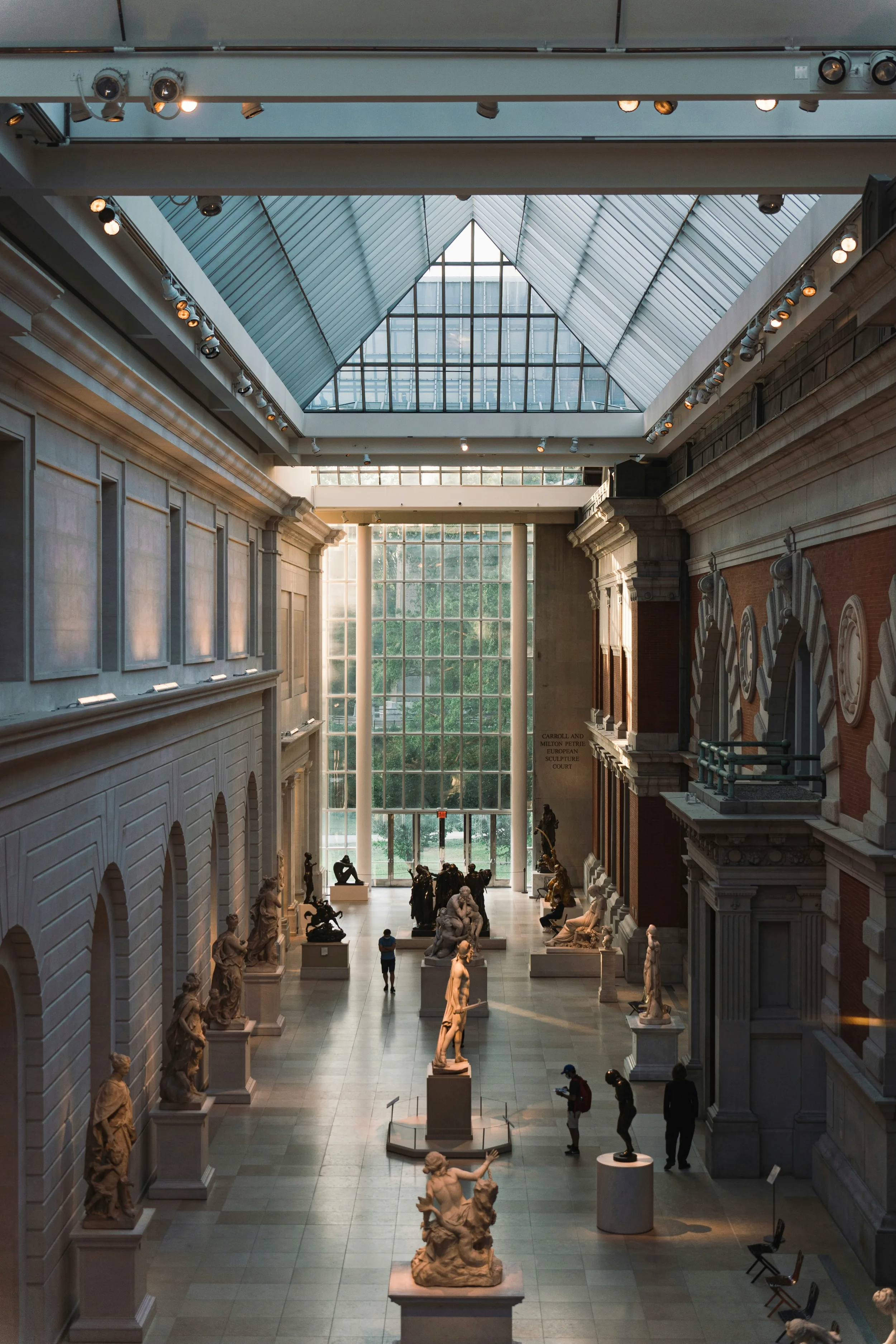
Met Museum Opening Hours and Entry Information
The Met Fifth Avenue:
Sunday to Tuesday, and Thursday: 10am to 5pm
Friday and Saturday: 10am to 9pm
Wednesday: closed all day, every week
Closed days: Thanksgiving Day, December 25, January 1, and the first Monday in May, when the museum shuts for the Met Gala. The Wednesday closure catches out more visitors than anything else about this museum, so plan around it.
The Met Cloisters: Open 10am to 5pm every day except Wednesday. Closed Thanksgiving, December 25, and January 1 (it stays open on Met Gala Monday).
Address: 1000 Fifth Avenue at 82nd Street, New York, NY 10028, on the eastern edge of Central Park along the stretch known as Museum Mile.
Entrances: There are three ways in, and choosing the right one saves time. The grand main entrance up the famous steps on Fifth Avenue funnels everyone into the Great Hall and carries the longest security queues. The 81st Street entrance through the Uris Center for Education, one block south, is step-free, far quieter, and has its own coat check and toilets. Pedestrians can also enter through the parking garage entrance at 80th Street, which is often the fastest of all.
Gallery closures: The Cantor Roof Garden, the Modern and Contemporary galleries, and the Ancient West Asia and Ancient Cyprus galleries are closed for a major renovation project. More on what this means below.
What is the Best Way to Get to the Met?
By subway: Take the 4, 5, or 6 train to 86th Street on the Lexington Avenue line, then walk three blocks west to Fifth Avenue, about 10 minutes. The Q train to 86th Street on Second Avenue is a comfortable alternative from Midtown and leaves a slightly longer but pleasant walk across to the park.
From the West Side: Take the C train to 81st Street and transfer to the M79 crosstown bus through Central Park, or take the 1 train to 86th Street and pick up the M86 crosstown. On a nice day, simply walking across Central Park from the west side is one of the best walks to any museum anywhere.
By bus: The M1, M2, M3, and M4 buses run down Fifth Avenue to 82nd Street heading downtown, and up Madison Avenue to 83rd Street heading uptown.
From Grand Central or Penn Station: From Grand Central, the 4/5/6 to 86th Street is the direct option. From Penn Station, take the M4 bus to 83rd and Madison, or the C train to 81st Street plus the M79 bus.
By car: The museum garage at Fifth Avenue and 80th Street only operates on weekday evenings (from 6pm) and weekends, spaces are not guaranteed, and the clearance is 6 feet 6 inches. Driving to the Upper East Side is rarely worth it; take the train.
One practical tip: If you are combining the Met with the Cloisters in one day, do the Fifth Avenue building first, then take the M4 bus from Madison Avenue and 83rd Street directly to the Cloisters. It is a long ride at nearly 90 minutes, so the A train from further downtown to 190th Street is usually faster.

The Met is massive, spanning 2.2 million square feet and housing 2 million works of art. Its relics include 5,000 musical instruments, including the oldest surviving piano in the world.
How Much Time Should I Spend at the Met?
Plan on 3 to 4 hours for a satisfying first visit covering the major highlights: the Egyptian Wing and Temple of Dendur, the European paintings, the American Wing, and Arms and Armor. That pace still means walking past thousands of works without a glance, and that is fine. The Met covers over 2 million square feet, and nobody is seeing everything in a day.
A quick targeted visit hitting five or six famous works can be done in 90 minutes to 2 hours if you enter with a plan and a map. A thorough visit for art lovers fills a full day from opening to closing, with a lunch break, and will still leave whole departments untouched.
If you add the Met Cloisters on the same ticket, budget 2 to 2.5 hours there plus 45 to 60 minutes of travel each way from the main building. Doing both in one day is a long, rewarding marathon; if your schedule allows, splitting them across two days (with two separate tickets or a membership) is more comfortable.
The one-hour free guided highlights tour, included with admission, is an efficient way to give a first visit structure before exploring on your own.
What is the Best Time to Visit the Met?
Best time of day: Right at 10am opening, entering via 81st Street, or after 5pm on Friday and Saturday evenings. The museum fills steadily from late morning and peaks between noon and 3pm.
Best days: Monday, Tuesday, and Thursday are the calmest full days. Weekends are the busiest, and rainy weekend afternoons are the single most crowded time of all, as half of Manhattan has the same indoor idea at once.
Friday and Saturday evenings are a different museum. After 6pm the tour groups are gone, the galleries breathe, and the Great Hall Balcony Bar often runs drinks and live music. Standing nearly alone in front of the Temple of Dendur at 8pm, with Central Park going dark through the wall of glass, is an experience the daytime crowds never get.
Best season: January and February are the quietest months. Summer brings the heaviest tourist traffic, though the extended evening hours absorb some of it. The first week of May is worth avoiding: the museum closes on Gala Monday and the surrounding days are hectic.
Busiest galleries: The Impressionist rooms, the Egyptian Wing, and whatever headline exhibition is running draw the densest crowds. The Islamic art galleries, the Asian art wing, and the Robert Lehman Collection are consistently calm, and they hold some of the museum's finest treasures.
What is Inside the Met? Famous Paintings and Must-See Highlights
The Met's collection spans virtually every culture and era, organised into 17 curatorial departments. These are the works and rooms first-time visitors most regret missing.
The Temple of Dendur: A complete ancient Egyptian temple from around 10 BC, given to the United States by Egypt and rebuilt inside a vast glass-walled gallery overlooking Central Park. It is the only ancient Egyptian temple in the western hemisphere and the museum's defining sight.
Washington Crossing the Delaware: Emanuel Leutze's colossal 1851 canvas in the American Wing is far bigger than most people expect, at over 12 feet tall and 21 feet wide. The American Wing also holds John Singer Sargent's Madame X, the scandal of the 1884 Paris Salon.
Van Gogh: The Met holds one of the strongest Van Gogh groups in America, including Self-Portrait with a Straw Hat, Wheat Field with Cypresses, and Irises, hanging in the European paintings galleries alongside Monet's Bridge over a Pond of Water Lilies and a deep Impressionist collection.
The Dutch masters: Five Vermeers, more than any other museum in the world outside the Rijksmuseum, including Young Woman with a Water Pitcher, plus Rembrandt's penetrating 1660 Self-Portrait.
Arms and Armor: A parade of mounted knights in full plate armour under fluttering banners. This gallery is the reliable favourite of every child in the building, and most of the adults.
The Michael C. Rockefeller Wing: The arts of Africa, Oceania, and the Ancient Americas, reopened in 2025 after a spectacular multi-year renovation. The soaring Oceanic gallery with its ceremonial house ceiling is among the most beautiful spaces in the museum and remains oddly uncrowded.
Period rooms and courts: The Astor Chinese Garden Court, a complete Ming-style courtyard built by craftsmen from Suzhou; the ornate 1707 Damascus Room; and the Frank Lloyd Wright room in the American Wing.
Canova's Perseus with the Head of Medusa presides over the main staircase landing, and Bruegel's The Harvesters rewards anyone who seeks it out in the European galleries.
What you will not see right now: The modern and contemporary collection is largely off view. Jackson Pollock's Autumn Rhythm and much of the 20th-century holdings sit within the gallery block closed for the Tang Wing construction, so if Pollock, Rothko, or Hopper is the main reason for your visit, check what is on display before you go.
Is the Met Rooftop Garden Open?
No. The Cantor Roof Garden, the seasonal rooftop bar and sculpture terrace famous for its views over Central Park, is closed for the construction of the museum's new Tang Wing for modern and contemporary art, along with the modern galleries beneath it. It is not expected to reopen until the project is complete, currently projected toward the end of the decade.
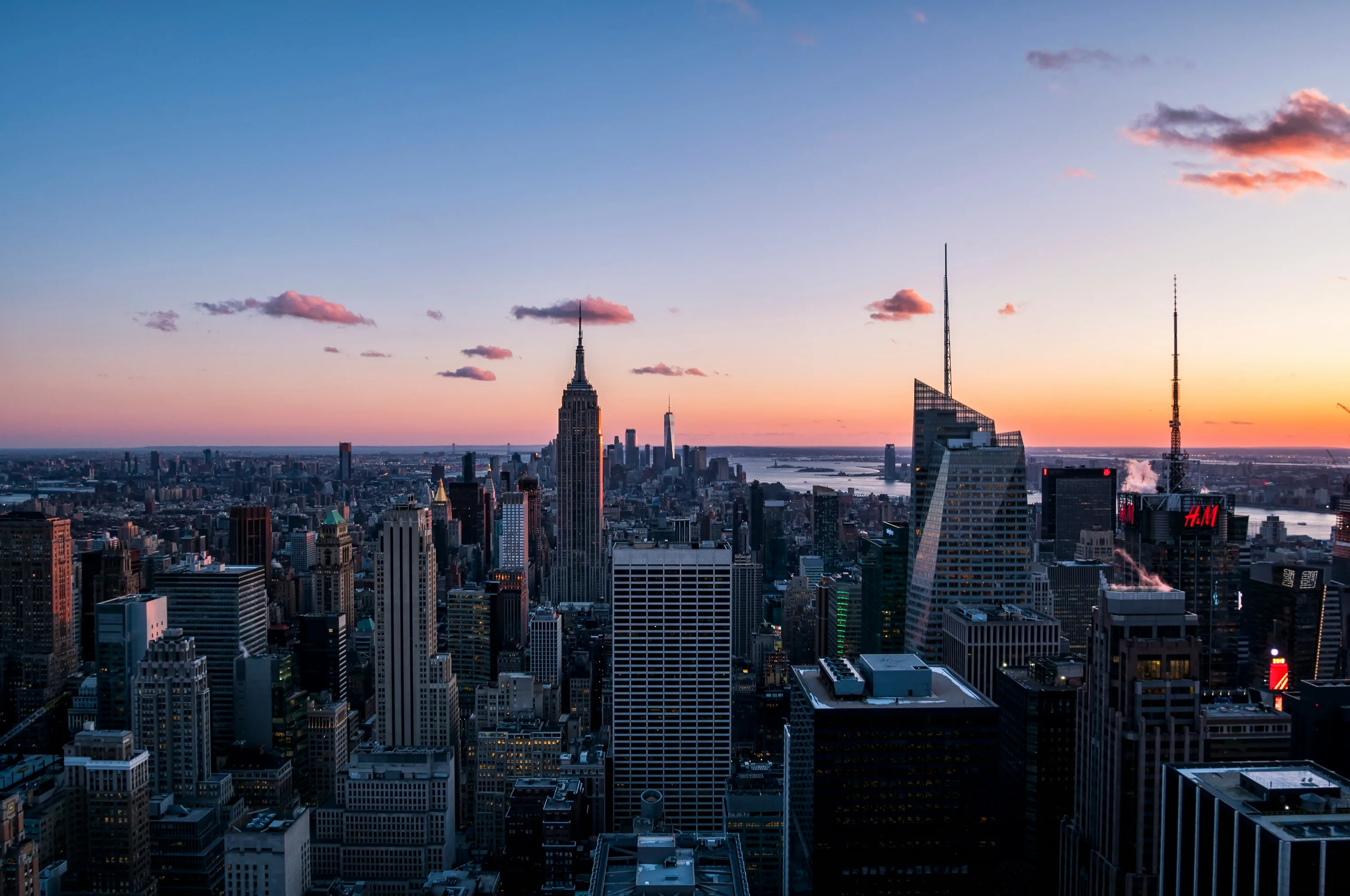
The rooftop remains one of the most searched-for and recommended features of the Met, and a lot of older articles, videos, and even tour listings still promote it. Do not plan your visit around rooftop drinks at sunset; they are not available. For a drink inside the museum, the Great Hall Balcony Bar on Friday and Saturday evenings is the current alternative. For skyline views, you will need a Midtown observation deck instead; nothing on Museum Mile fills the gap.
The Met Cloisters: The Second Museum on Your Ticket
Your Met ticket includes same-day entry to the Met Cloisters, and skipping it is one of the most common regrets among visitors who only find out afterwards. Set on a hilltop in Fort Tryon Park at the northern tip of Manhattan, the Cloisters is a museum of medieval European art built in the 1930s from architectural elements of five French monasteries, complete with Romanesque chapels, Gothic halls, and gardens planted with medieval species.
The star attraction is the Unicorn Tapestries, seven woven masterpieces from around 1500 that are among the most famous artworks in America. The Merode Altarpiece, the Fuentidueña Apse, and the gardens themselves are nearly as memorable. The whole place is quiet, calm, and feels a continent away from the hustle and bustle of Fifth Avenue.
Getting there: Take the A train to 190th Street, exit by elevator, and walk 10 minutes north through Fort Tryon Park. Free public parking is available in the park if you drive. The Trie Cafe serves sandwiches, baked goods, wine, and beer in an outdoor setting from 11am to 4pm, Thursday through Tuesday.
Practical note: The Cloisters closes at 5pm every day and involves real travel time, so a combined day works best if you leave the main museum by 1pm at the latest. If you cannot fit both, the Cloisters on its own justifies a dedicated half day on a separate ticket, and New Yorkers regularly rank it among the city's best experiences.
Current Exhibitions at the Met
All special exhibitions are included in your admission at no extra cost. The programme rotates constantly, with 30 or more shows running at any time, so check the Met's exhibitions page for exact dates before your visit. Highlights on view in summer 2026 include Costume Art, the Costume Institute's headline show running until January 2027; Giacometti in the Temple of Dendur, placing the sculptor's elongated figures inside the Egyptian gallery until early September; Orientalism: Between Fact and Fantasy, running until February 2027; and Revolution!, marking the 250th anniversary of American independence until September 7. At the Cloisters, Creatures of Myth and Imagination runs until October 18.
Blockbuster shows can get uncomfortably packed on weekends. If a particular exhibition is your priority, go on a weekday morning and head there first, before the galleries fill.
The Met Store and Gift Shop
The main Met Store sits just off the Great Hall and is a destination in its own right, with a reputation as one of the best museum shops anywhere. The jewellery selection, much of it reproducing pieces from the collection, is the standout, alongside art books, prints, scarves, and a wall of well-designed gifts that manage to avoid the usual souvenir tat. Smaller satellite shops are scattered through the building near major exhibitions, and the Cloisters has its own store focused on medieval-inspired gifts. Everything is also available online at store.metmuseum.org if your luggage is already full, and members receive a 10 percent discount.
Guided Tours and Audio Guides at the Met
Free guided tours: Expert-led highlights tours run daily and are included with admission, typically lasting about an hour. The Cloisters runs its own free garden and highlights tours. Check the day's schedule at the information desk or on the Met website; no booking is needed, just show up at the meeting point.
Digital guide: The Met's audio guide now lives in the free Bloomberg Connects app, which covers highlights, exhibitions, and maps in multiple languages. Download it and bring headphones before you arrive, as the museum wifi does the rest.
Private and small-group tours: Licensed guides and companies offer 2 to 3 hour highlights tours, bookable through platforms like GetYourGuide and Viator, usually with admission included. For a first visit, a good guide transforms the museum from an overwhelming maze into a coherent story, and I would rate a guided tour here as better deal than at almost any other New York attraction simply because the collection is crazy large.
EmptyMet tours: The museum's official before-hours tour admits a small group into the galleries before public opening. It is expensive, but standing in a silent Temple of Dendur gallery is something the regular ticket can never buy.
Group rule: All groups of 10 or more, and third-party guided tours of any size, must register with the museum in advance.
Is the Met Worth Visiting?
Yes, and I say that as someone generally adverse to using the phrase "world-class". The Met belongs in the same breath as the Louvre and the British Museum, and at $30 it costs less than most Manhattan observation decks while offering a full day of substance. Half the New York tourists I've spoken to have described it as the highlight of their New York trip, and the depth of the collection surprises even people who arrive with high expectations.
That being said: First, the scale can defeat you. Arriving without a plan tends to produce two hours of aimless wandering, sore feet, and the nagging sense of having missed everything important. Pick four or five targets before you walk in. Second, the headline galleries get properly crowded from late morning on weekends, and the Impressionist rooms in particular can feel like a subway platform. Third, the modern art closure is a real gap right now; anyone whose taste runs to Pollock and Rothko may prefer MoMA until the new wing opens.
Who will love it: Art lovers, obviously, but also history buffs (Arms and Armor, the Egyptian Wing), families (kids consistently rate the knights and mummies as highlights, and under-12s are free), and photographers. Solo travellers do especially well here, since the museum rewards wandering at your own pace.
Who should think twice: If museums bore you and you are choosing one for a short trip, the Met's size works against a quick visit; MoMA delivers more famous images per hour. And if your only free day is a Wednesday, no amount of enthusiasm will open the doors.
For me, the Friday evening visit settles the question. Pay your $30, arrive at 5.30pm, and spend three unhurried hours in galleries that daytime visitors fight through. It is the best cultural value in New York.
Where Should I Eat Near the Met?
Inside the museum, The Eatery on the ground floor is a serviceable cafeteria with the prices you would expect from a captive audience; it works for a quick refuel but is nobody's destination. On Friday and Saturday evenings the Great Hall Balcony Bar serves drinks and small plates with live music, which is far more memorable.
Café Sabarsky, inside the Neue Galerie at 86th and Fifth, is the classic Met pairing and my pick in the neighbourhood: a wood-panelled Viennese café serving strudel, Sachertorte, and proper coffee three minutes from the museum steps. Queues form at peak times, but it moves.
Lexington Candy Shop, at 83rd and Lexington, is an old-school luncheonette operating since 1925, with burgers, egg creams, and milkshakes at fair prices. It is the affordable, atmospheric antidote to the Upper East Side's polish, and exactly the kind of place that looks touristy but is loved by locals.
Sant Ambroeus on Madison Avenue at 78th is the upscale option: a Milanese café and restaurant where gallery dealers and museum curators actually eat. Expect excellent pasta and espresso at Upper East Side prices.
For a picnic, pick up sandwiches at Le Pain Quotidien on Madison between 84th and 85th, or from any Lexington Avenue deli, and walk one block into Central Park. On a fine day, lunch on the grass behind the museum beats any restaurant table, and Cleopatra's Needle, a 3,500-year-old obelisk, stands just behind the building.
Tourist trap warning: The food carts clustered at the museum steps charge some of the highest cart prices in the city for ordinary hot dogs and pretzels. Fine if you need it, but you can do better two blocks in any direction.
What Else is There to Do Near the Met?
Central Park starts at the museum's back wall. The Obelisk, Belvedere Castle, the Great Lawn, and the Jacqueline Kennedy Onassis Reservoir are all within a 10 to 15 minute walk, making the park the natural decompression after the galleries.
The Guggenheim Museum, a 10 minute walk up Fifth Avenue at 89th Street, is worth seeing for Frank Lloyd Wright's spiral building alone. It is closed on Thursdays, neatly opposite the Met's Wednesday closure, so check days carefully when planning both.
The Neue Galerie, at 86th and Fifth, holds Klimt's golden Portrait of Adele Bloch-Bauer I in an intimate Gilded Age mansion. It is small enough to see in an hour, and closed Tuesdays and Wednesdays.
The Frick Collection, 15 minutes down Fifth Avenue at 70th Street, reopened in 2025 after a five-year renovation of its Gilded Age mansion, with Vermeers, Rembrandts, and Holbeins in rooms the robber barons actually lived in. Timed tickets are recommended there, unlike at the Met.
The American Museum of Natural History sits directly across Central Park, a 20 to 25 minute walk through the park or a quick ride on the M79 bus. Its dinosaur halls and the Gilder Center make it the standard family pairing with the Met, though doing both in one day is ambitious.
Museum Mile continues north with the Cooper Hewitt design museum at 91st Street and the Jewish Museum at 92nd, both far quieter than their famous neighbour.
Rules, Bags, and Security
Bags: All visitors pass through a security bag check at the entrances, which can take up to 15 minutes at peak times. Large bags, suitcases, and backpacks worn on the back are not permitted in the galleries; small bags and slim backpacks carried by hand or on the front are fine. Free coat and bag check is available, but it fills up on busy and cold days, and the museum will not store oversized luggage at all, so do not arrive with a suitcase on your way to JFK International.
Photography: Non-flash photography for personal use is allowed in the permanent collection. Flash, tripods, and selfie sticks are prohibited, and some special exhibitions ban photography entirely, which is signposted at the entrance.
Children: Strollers are welcome in most galleries, and under-12s enter free with an adult. The 81st Street Studio near the Uris Center entrance is a dedicated hands-on space for kids.
Food and drink: Not allowed in the galleries; water bottles must be stowed in your bag.
Re-entry: Your wristband or ticket sticker covers you for the whole day at both locations, so you can step out to Central Park for lunch and return.
Sketching: Pencil sketching is permitted in most permanent galleries, a lovely Met tradition you will see practised daily.
Accessibility at the Met
Step-free entrances are located at 81st Street and Fifth Avenue (the Uris Center for Education) and through the parking garage at 80th Street. The main Fifth Avenue steps are not required for entry. Lifts connect all gallery floors, and step-free routes through the building are mapped on the museum's interactive online map.
Manual wheelchairs, in standard and wide sizes, are available free of charge at the 81st Street entrance on a first-come, first-served basis; visitors who need assistance should come with a companion. Admission for visitors with a disability is $22, purchased in person, and an accompanying care partner enters free.
At the Met Cloisters, accessibility is more limited due to the building's landmark status: the walk to the main entrance is cobbled and roughly 60 stairs stand between the main entrance and the admissions desk. A free shuttle provides step-free access from a pick-up point near the main entrance, drivers can drop passengers at the step-free courtyard entrance, and two designated disabled parking spaces face the front of the museum. A limited number of wheelchairs are available at the admissions desk.
Accessible toilets are available on every floor of the Fifth Avenue building, and assistive listening devices and other accommodations are offered for tours and programmes.
Final Tips for Visiting the Met
Buy your ticket online the night before on the website and walk straight past the ticket queues to any gallery entrance. It costs nothing extra and saves the most tedious part of the visit.
Enter at 81st Street, not the main steps. The Uris Center entrance is step-free, faster through security, and has its own coat check. The 80th Street garage entrance is even quicker for pedestrians.
Never plan the Met for a Wednesday. The museum is closed every Wednesday, plus the first Monday in May for the Met Gala. This single fact ruins more people's itineraries than everything else combined.
Pick five things before you arrive. Choose your must-sees from the highlights above, find them on the map or the Bloomberg Connects app, and let everything between them be a bonus rather than an obligation.
Go Friday or Saturday evening for the calmest galleries. The museum stays open until 9pm, crowds thin dramatically after 6pm, and the Balcony Bar adds live music to the Great Hall.
Do not go to see the rooftop. The famous roof garden and the modern art galleries are closed for construction for years to come, whatever older guides and videos promise.
Use your ticket twice in one day. Same-day entry to the Met Cloisters is included; leave Fifth Avenue by early afternoon and take the A train to 190th Street to see the Unicorn Tapestries before the 5pm close.
Pair the Met with Central Park, not another mega-museum. A picnic behind the museum and a walk to Belvedere Castle rounds out the day far better than attempting the Natural History Museum on the same legs.
Back to New York City Attractions
Explore other New York City attractions



" width="24px"><path d="M 0 0 L 24 0 L 24 21.231 L 0 21.231 Z" fill="transparent" height="21.230768474975793px" id="nL2EwDcS9" width="24px"/><path d="M 0 0.541 C 0 0.242 0.245 0 0.547 0 L 2.735 0 C 3.037 0 3.282 0.242 3.282 0.541 L 3.282 4.598 C 3.282 4.897 3.037 5.139 2.735 5.139 L 0.547 5.139 C 0.245 5.139 0 4.897 0 4.598 Z" fill="rgb(196, 217, 201)" height="5.138657337892187px" id="hZ_rlBe_S" transform="translate(0 16.092)" width="3.2820512820512358px"/><path d="M 0 0.541 C 0 0.242 0.245 0 0.547 0 L 2.735 0 C 3.037 0 3.282 0.242 3.282 0.541 L 3.282 7.843 C 3.282 8.142 3.037 8.384 2.735 8.384 L 0.547 8.384 C 0.245 8.384 0 8.142 0 7.843 Z" fill="rgb(230, 211, 160)" height="8.38412513024521px" id="HgVBxIz3e" transform="translate(5.128 12.847)" width="3.282051282051235px"/><path d="M 0 0.541 C 0 0.242 0.245 0 0.547 0 L 2.735 0 C 3.037 0 3.282 0.242 3.282 0.541 L 3.282 12.982 C 3.282 13.281 3.037 13.523 2.735 13.523 L 0.547 13.523 C 0.245 13.523 0 13.281 0 12.982 Z" fill="rgb(232, 207, 164)" height="13.522782468137464px" id="utgrDnoM9" transform="translate(10.325 7.708)" width="3.282051282051377px"/><path d="M 0 0.541 C 0 0.242 0.245 0 0.547 0 L 2.735 0 C 3.037 0 3.282 0.242 3.282 0.541 L 3.282 16.498 C 3.282 16.797 3.037 17.039 2.735 17.039 L 0.547 17.039 C 0.245 17.039 0 16.797 0 16.498 Z" fill="rgb(233, 196, 166)" height="17.038705909853153px" id="OLOhW6STz" transform="translate(15.521 4.192)" width="3.2820512820512384px"/><path d="M 0 0.541 C 0 0.242 0.245 0 0.547 0 L 2.735 0 C 3.037 0 3.282 0.242 3.282 0.541 L 3.282 20.69 C 3.282 20.989 3.037 21.231 2.735 21.231 L 0.547 21.231 C 0.245 21.231 0 20.989 0 20.69 Z" fill="rgb(217, 170, 153)" height="21.230768474975793px" id="H5Z8wcwkd" transform="translate(20.718 0)" width="3.2820512820512278px"/></g></svg>)