Back to Paris Attractions
Do You Need to Book Notre Dame Tickets in Advance?
Updated August 2026
Notre Dame Cathedral sits at the very heart of Paris, both geographically and historically, on the Île de la Cité in the middle of the Seine. After a devastating fire in April 2019 and five years of painstaking restoration work, the cathedral reopened to the public on December 8, 2024, more luminous and breathtaking than ever. Whether you are visiting Paris for the first time or returning to see this Gothic masterpiece in its restored glory, a little advance planning goes a long way toward making the most of your visit.
At a Glance
How Early to Book:
For Cathedral Only, book an optional time-slot a few hours ahead when they are released. Book 3 weeks ahead for a bell tower tour. Tickets for the treasury and crypt can only be purchased on-site.
Only a few hours ahead for Cathedral entry. Through the end of the following month for the tower tour.
Best Times to Visit:
Early mornings and late afternoons will be the least busy. Thursday evenings, when the Cathedral is open later, are usually the most calm.
Ticket price:
The tower tour is €16. Entry into the Cathedral is free of charge, even with an online reservation.
Where to Book:
Landmark Address:
Do You Need to Book Notre Dame Tickets in Advance?
This is the most important question to answer before your trip, so let's start here.
Entry to the main cathedral is completely free for everyone. There are no paid tickets required to walk inside Notre Dame. However, since the reopening, the cathedral operates a free timed-entry reservation system to manage the significant number of visitors it receives, and checking for a same-day slot once you're near the cathedral can save you a long wait in the walk-in line during busy periods.
How the reservation system works:
Notre Dame's free booking system is designed for same-day use. Slots open only a few hours before your visit, not several days in advance, and are intended primarily for visitors who are already in Paris or nearby. New slots are added regularly throughout the day, so if nothing is available when you first check, it is worth refreshing closer to your preferred time. Trying to book too early, too often, or from too far away can temporarily block your access for security reasons, so only attempt to reserve once you are actually close to your visit.
Do you have to book? No, and given how the system works, most visitors end up relying on the walk-in line rather than a reservation made in advance. In the low season (January and February), walk-in waits are often just five to thirty minutes. But from mid-March through October, and again during the Christmas holiday period, walk-in waits of two to three hours are common. Once you are near Notre Dame, checking the official site or app for a same-day slot is worth doing before joining the walk-in queue, as it can save you significant time.
You can reserve through the official Notre Dame website or the official cathedral app ("Cathédrale Notre-Dame de Paris," available on iOS and Android). Beware of third-party sites offering to sell Notre Dame entry tickets. Entry is free and can only be reserved via the official channels.
What about the Bell Towers?
The Bell Towers reopened on September 20, 2025, and require a separate paid ticket of €16 per person (free for under-18s, EU residents aged 18 to 25, and Paris Museum Pass holders). Tower tickets are sold exclusively online via the dedicated Notre Dame Towers booking page, and no on-site ticket sales are available. Given the limited daily capacity and high demand, we recommend booking the towers as far in advance as possible, ideally several weeks ahead during peak season.
What about the Treasury?
The Treasury costs €12 per person and is paid on-site inside the cathedral. Advance booking is not available for the Treasury.
What about the Archaeological Crypt?
The Crypt beneath the cathedral square has a separate entrance and costs €9 per adult (reduced rates available). Tickets can be purchased online or at the entrance.
Notre Dame Opening Hours and Entry Information
Cathedral (main floor):
Monday to Friday: 7:45am to 7:00pm (last entry 30 minutes before closing)
Thursday: extended hours until 10:00pm
Saturday and Sunday: 8:15am to 7:30pm
Bell Towers:
April to October: 9:00am to 11:00pm (last entry 10:00pm)
November to March: 9:00am to 5:30pm (last entry 4:30pm)
Closed January 1, May 1, and December 25
Entry prices at a glance:
Main cathedral: Free
Bell Towers: €16 per adult (free for under-18s, EU students and residents aged 18 to 25, and Paris Museum Pass holders)
Treasury: €12 (pay on-site)
Archaeological Crypt: €9 (reduced rates available)
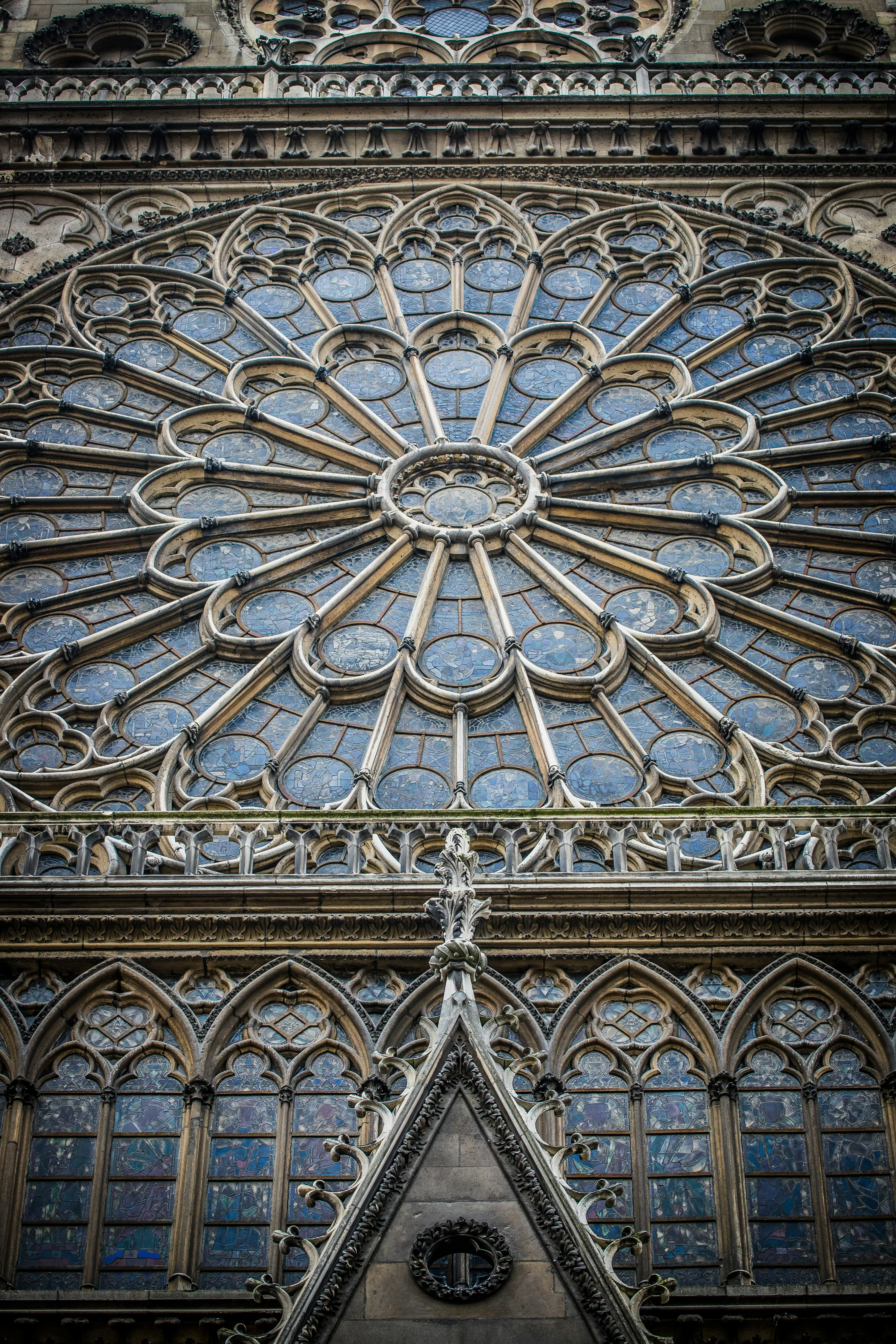
What is the Best Way to Get to Notre Dame?
Notre Dame is easily accessible by public transport and is well connected across central Paris.
By Metro: The most convenient stop is Cité (Line 4), which places you directly on the Île de la Cité a short walk from the cathedral. Saint-Michel (Lines 4 and 10) is also nearby, on the Left Bank.
By RER: The Saint-Michel Notre-Dame station (RER B and RER C) is a short walk across the river and is useful if you are travelling from either airport or from further afield.
By bus: Several bus routes serve the area, including lines 21, 38, 47, 85, and 96.
On foot: If you are already in central Paris, Notre Dame is highly walkable from many popular areas. It is around a 20-minute walk from the Louvre, and 10 minutes from the Latin Quarter.
By bike: The area is well served by Vélib' bike-share stations if you prefer to cycle.
Driving to Notre Dame is not recommended. Parking in central Paris is limited and expensive, and the cathedral is easily reached via public transport.
What is the Best Time to Visit Notre Dame?
For a more relaxed experience, aim to arrive early in the morning, before 9:30am on weekdays, or later in the afternoon after 4:00pm. Thursday evenings are particularly special given the extended 10:00pm closing time, when the cathedral is quieter and the atmosphere inside is serene.
In terms of the year, the least busy periods are January, February (outside of school holiday weeks), and November. Crowds build steadily from mid-March, peak over summer, and remain high through the end of October.
Easter and Christmas are among the busiest times of the year. Major Catholic holidays draw large crowds for masses as well as sightseers, and queues can form hours before services begin.
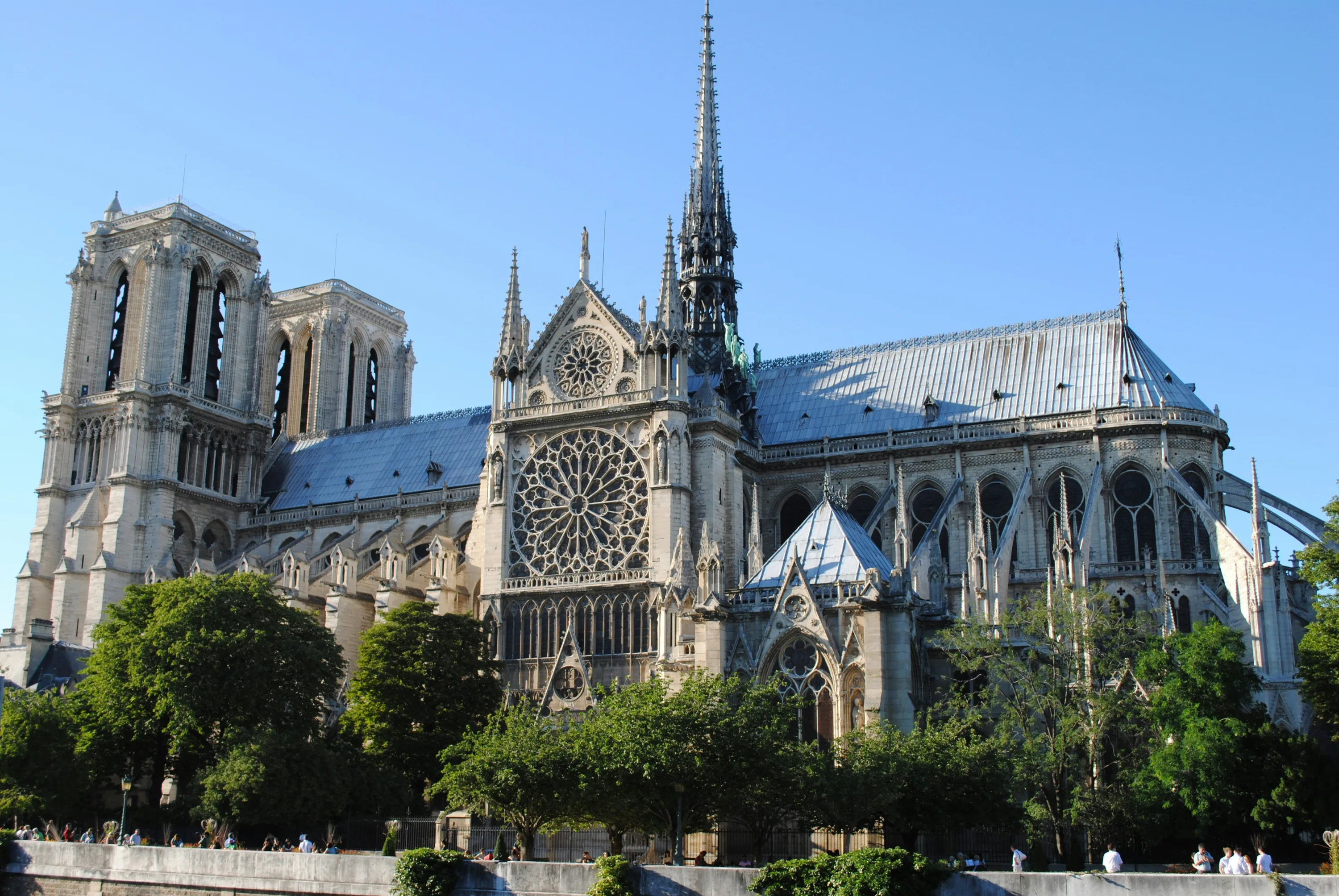
There’s a small bronze star embedded in the ground just outside the front entrance. It’s called the Point Zéro des Routes de France, and it marks the exact center from which all road distances in France are measured. Every highway distance you see in France is technically measured from this point.
How Much Time Should I Spend at Notre Dame?
A visit to the main cathedral floor typically takes 30 to 45 minutes if you are following the designated visitor route, which has been redesigned since the reopening to take you through the nave, chapels, and key features in a structured path. If you plan to linger, sit quietly, or take your time with the restored artwork and new liturgical furnishings, allow up to an hour.
Add extra time for the following:
Treasury: around 20 to 30 minutes
Archaeological Crypt: 30 to 45 minutes
Bell Towers: 60 to 90 minutes, including the 424-step climb and the views from the top
If you plan to combine all elements in one visit, set aside a half day in total. Factor in time for queuing even with a reservation, particularly at the Bell Towers entrance.
Guided Tours and Audio Guides at Notre Dame
Guided tours resumed in June 2025, and are a worthwhile investment if you want real depth to your visit. Expert-led tours typically run for 60 to 90 minutes, cover the interior and exterior, and provide historical context and behind-the-scenes restoration detail that you simply will not find on any signage. Prices start at around €25 per person. Some tours include skip-the-line access. Given how popular these have become, book your guided tour several weeks in advance during peak season, as slots sell out fast.
Free volunteer-led tours are available daily at 2:30pm in French, with additional languages (English, German, and Portuguese) on specific days of the week. Check the official Notre Dame website for the current schedule.
Audio guides can be rented inside the cathedral for €6 per person and are available in French, English, and Spanish. The official cathedral app also offers digital audio guide content.
Sacred Music concerts take place every Tuesday evening at 8:30pm. These are paid events organised by Musique Sacrée à Notre-Dame de Paris, and they sell out regularly. Book tickets in advance online.
Free organ recitals take place every Sunday at 4:00pm and do not require advance booking. Simply enter the cathedral as you would for a standard visit.
Is Notre Dame Worth Visiting?
Yes, it's one of the best things to do in Paris. Notre Dame is one of the most significant Gothic cathedrals in the world, and the post-restoration interior is widely described by visitors as more stunning than it was before the 2019 fire. The cleaning of the stone columns, the new altar and liturgical furniture in bronze, the luminosity of the light through the restored stained glass, and the dramatically reconfigured chapels make this a once-in-a-generation experience. Visiting now means seeing the cathedral at half its former visitor capacity, which makes for a more thoughtful and personal experience than in the pre-fire era.
Even beyond the interior, the exterior facade, the views from the Bell Towers, the nearby Archaeological Crypt, and the surroundings of the Île de la Cité make Notre Dame a destination that rewards a generous amount of time.
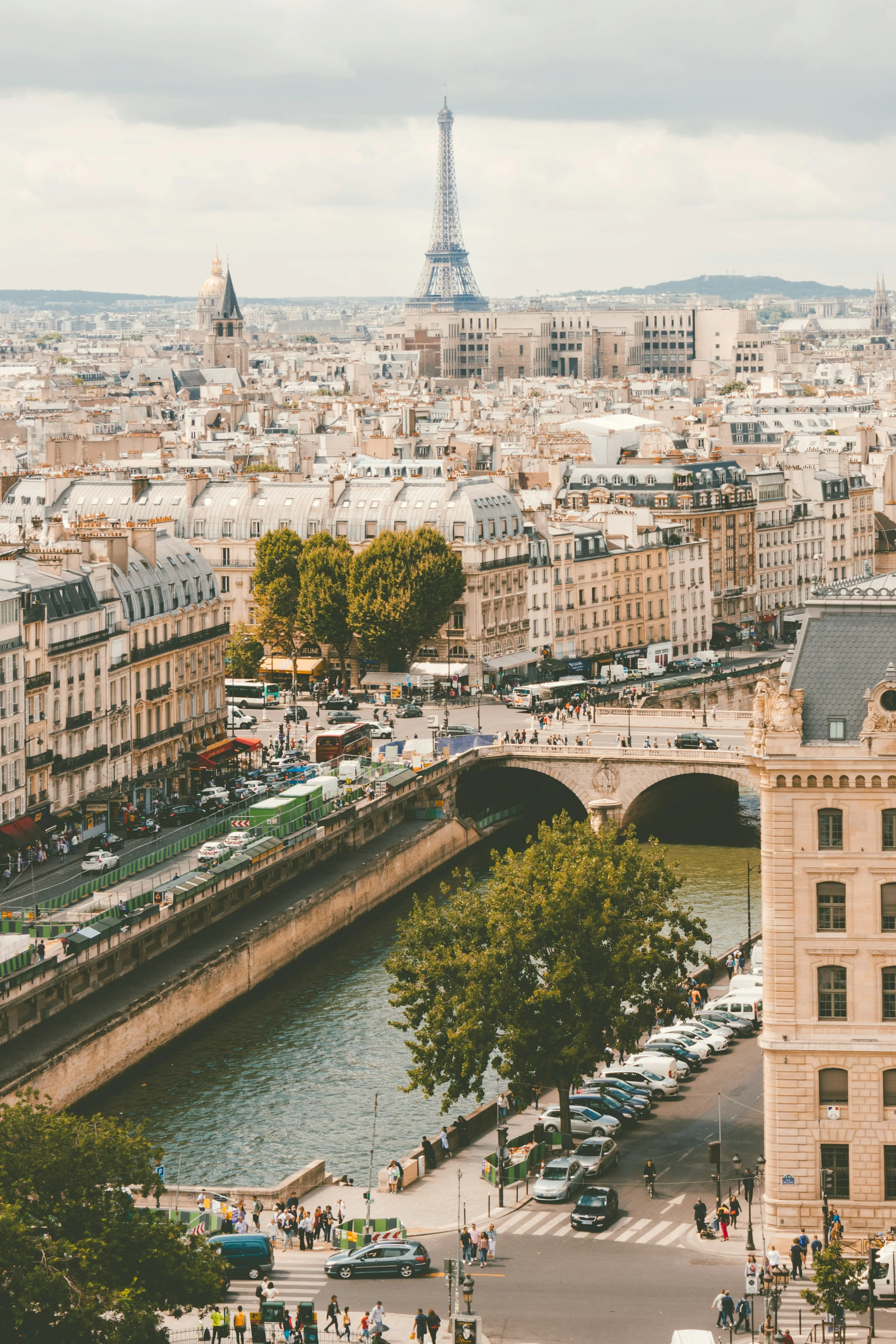
Where Should I Eat Near Notre Dame?
The area immediately around Notre Dame has a reputation for tourist traps, and some of that reputation is deserved. However, venture just a little further and you will find excellent food at reasonable prices.
On Île de la Cité:
Au Bougnat is a traditional Paris bistro just around the corner from the cathedral, open seven days a week, with seasonal homemade dishes and main courses at around €22. A reliable and unfussy choice with a loyal local following.
Le Caveau du Palais offers more elevated French cuisine in a historic stone-walled setting, with seasonal dishes and an excellent wine list. Popular with locals working at the nearby Palais de Justice.
La Réserve de Quasimodo is one of the oldest wine bars in Paris, tucked away on a tiny street behind the cathedral, and worth seeking out for its fondue vigneronne and cheese selection.
A short walk away:
La Fourmi Ailée on the Left Bank is a former bookshop turned tea salon with a whimsical atmosphere, excellent for lunch.
Île Saint-Louis (a five-minute walk across the Pont Saint-Louis) is home to several charming bistros including L'ilot Vache for traditional French food including duck confit and escargot in a romantic setting.
For coffee, pastries, and excellent sandwiches, Chanceux on rue Galande is a newer artisan spot attracting both locals and visitors.
If you are looking for a splurge with a view, La Tour d'Argent is a legendary Parisian institution just a short walk away, with a sixth-floor dining room overlooking the cathedral. Reservations essential.
In general, avoid restaurants with laminated menus and photographs of the food displayed outside. Walk one or two streets back from the main tourist axis and you will find far better value.
What Else is There to Do Near Notre Dame?
The area around Notre Dame is packed with things to see and do, making it easy to fill an entire day.
Sainte-Chapelle is the most obvious companion visit, just a three-minute walk away within the Palais de la Cité complex. The royal chapel houses some of the finest medieval stained glass in the world and is a stunning contrast to Notre Dame. Advance booking is recommended, as queues can be long.
The Conciergerie, within the same complex, is a former royal palace turned prison most famous for housing Marie-Antoinette before her execution. It is an atmospheric and historically rich visit.
The Archaeological Crypt of the Parvis sits directly beneath the square in front of Notre Dame and reveals layers of Paris's history going back to the Roman era. It is one of the most underrated attractions in the city.
Île Saint-Louis, directly behind Notre Dame across the Pont Saint-Louis, is one of the most beautiful and peaceful corners of Paris. A stroll along its quays and through its streets is one of the great low-key pleasures of any Paris visit.
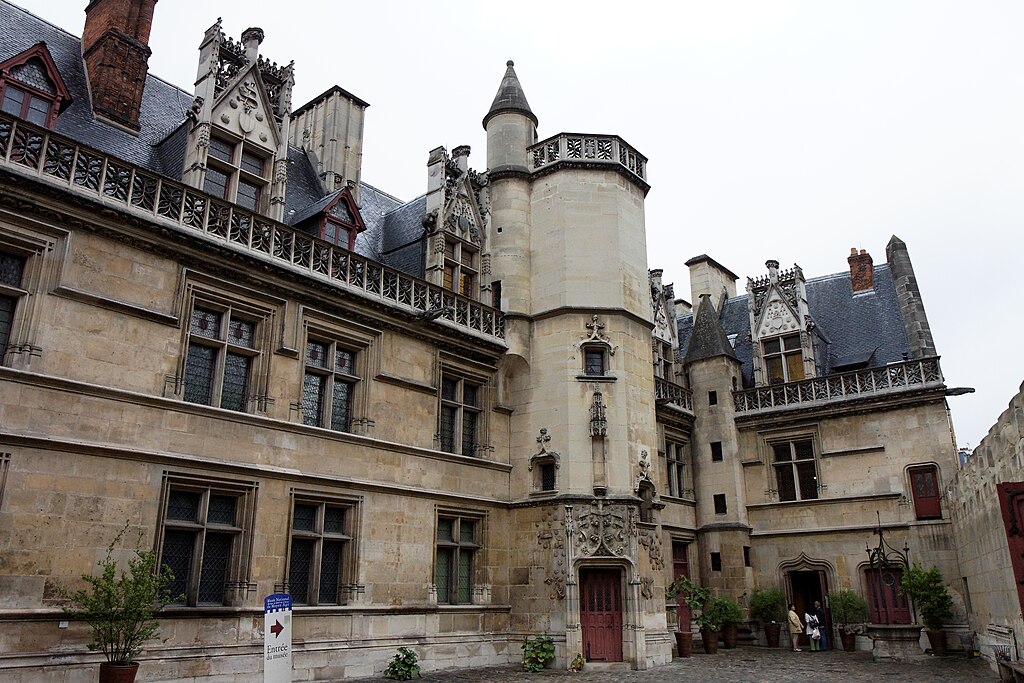
The Latin Quarter is just across the river and full of bookshops, cafes, and medieval streets. The Musée de Cluny (National Museum of the Middle Ages) is a 15-minute walk and contains some of the most significant medieval artefacts in Europe, including the famous Lady and the Unicorn tapestries.
Square du Vert-Galant, on the western tip of the Île de la Cité, is a peaceful riverside garden and one of the best spots in Paris for watching the Seine go by.
Rules, Bags, and Security at Notre Dame
Notre Dame operates airport-style security at its entrance, including bag checks and screening. Arrive a few minutes early to allow time for this process.
Bag policy: For the Bell Towers specifically, rucksacks are permitted up to 40x40x20cm, and luggage is not allowed at all; there are no lockers or changing rooms on site, so plan accordingly. For the main cathedral, there is no published size limit, but large bags and backpacks will be subject to inspection.
Dress code: Notre Dame is an active place of worship. Modest dress is expected. Shoulders and knees should ideally be covered, particularly if you are visiting during a mass or religious service. There are no lockers on site, so plan accordingly.
Photography: Photography is permitted inside the cathedral. Flash photography and the use of tripods may be restricted in certain areas.
Noise: Notre Dame is a place of reflection and worship. Visitors are expected to keep noise to a minimum inside, particularly during services.
Children: There are no age restrictions for visiting the main floor or crypt. The Bell Towers may have safety-related restrictions; check the official site before visiting with very young children.
Accessibility: The main cathedral floor is accessible for visitors with reduced mobility. The Bell Towers, which involve 424 steps, are not wheelchair accessible.
Final Tips for Visiting Notre Dame
Book Bell Tower tickets as far in advance as possible. They sell out fast and cannot be purchased on-site.
Check for a free cathedral time slot via the official Notre Dame website or app once you're near the cathedral — slots open only a few hours ahead, not days in advance, so this isn't something to arrange from home.
Arrive at least five minutes before your time slot and have your ticket ready on your phone or printed out, along with a valid ID.
Avoid the immediate tourist strip around the cathedral for food and drink. A short walk in any direction reveals much better options at fairer prices.
Thursday evenings offer an extended closing time of 10:00pm and are among the quietest times to visit.
If you want to attend mass, no reservation is needed. Join the dedicated line at the central portal 20 to 30 minutes before the service starts.
Sacred music concerts on Tuesday evenings sell out, so book these in advance if they interest you.
The Paris Museum Pass covers the Bell Tower entry fee, making it worth considering if you are visiting multiple monuments during your trip.
Back to Paris Attractions
Explore other Paris attractions
" width="24px"><path d="M 0 0 L 24 0 L 24 21.231 L 0 21.231 Z" fill="transparent" height="21.230768474975793px" id="nL2EwDcS9" width="24px"/><path d="M 0 0.541 C 0 0.242 0.245 0 0.547 0 L 2.735 0 C 3.037 0 3.282 0.242 3.282 0.541 L 3.282 4.598 C 3.282 4.897 3.037 5.139 2.735 5.139 L 0.547 5.139 C 0.245 5.139 0 4.897 0 4.598 Z" fill="rgb(196, 217, 201)" height="5.138657337892187px" id="hZ_rlBe_S" transform="translate(0 16.092)" width="3.2820512820512358px"/><path d="M 0 0.541 C 0 0.242 0.245 0 0.547 0 L 2.735 0 C 3.037 0 3.282 0.242 3.282 0.541 L 3.282 7.843 C 3.282 8.142 3.037 8.384 2.735 8.384 L 0.547 8.384 C 0.245 8.384 0 8.142 0 7.843 Z" fill="rgb(230, 211, 160)" height="8.38412513024521px" id="HgVBxIz3e" transform="translate(5.128 12.847)" width="3.282051282051235px"/><path d="M 0 0.541 C 0 0.242 0.245 0 0.547 0 L 2.735 0 C 3.037 0 3.282 0.242 3.282 0.541 L 3.282 12.982 C 3.282 13.281 3.037 13.523 2.735 13.523 L 0.547 13.523 C 0.245 13.523 0 13.281 0 12.982 Z" fill="rgb(232, 207, 164)" height="13.522782468137464px" id="utgrDnoM9" transform="translate(10.325 7.708)" width="3.282051282051377px"/><path d="M 0 0.541 C 0 0.242 0.245 0 0.547 0 L 2.735 0 C 3.037 0 3.282 0.242 3.282 0.541 L 3.282 16.498 C 3.282 16.797 3.037 17.039 2.735 17.039 L 0.547 17.039 C 0.245 17.039 0 16.797 0 16.498 Z" fill="rgb(233, 196, 166)" height="17.038705909853153px" id="OLOhW6STz" transform="translate(15.521 4.192)" width="3.2820512820512384px"/><path d="M 0 0.541 C 0 0.242 0.245 0 0.547 0 L 2.735 0 C 3.037 0 3.282 0.242 3.282 0.541 L 3.282 20.69 C 3.282 20.989 3.037 21.231 2.735 21.231 L 0.547 21.231 C 0.245 21.231 0 20.989 0 20.69 Z" fill="rgb(217, 170, 153)" height="21.230768474975793px" id="H5Z8wcwkd" transform="translate(20.718 0)" width="3.2820512820512278px"/></g></svg>)