Back to Paris Attractions
How Far in Advance to Book Tickets to the Palace of Versailles
Updated August 2026
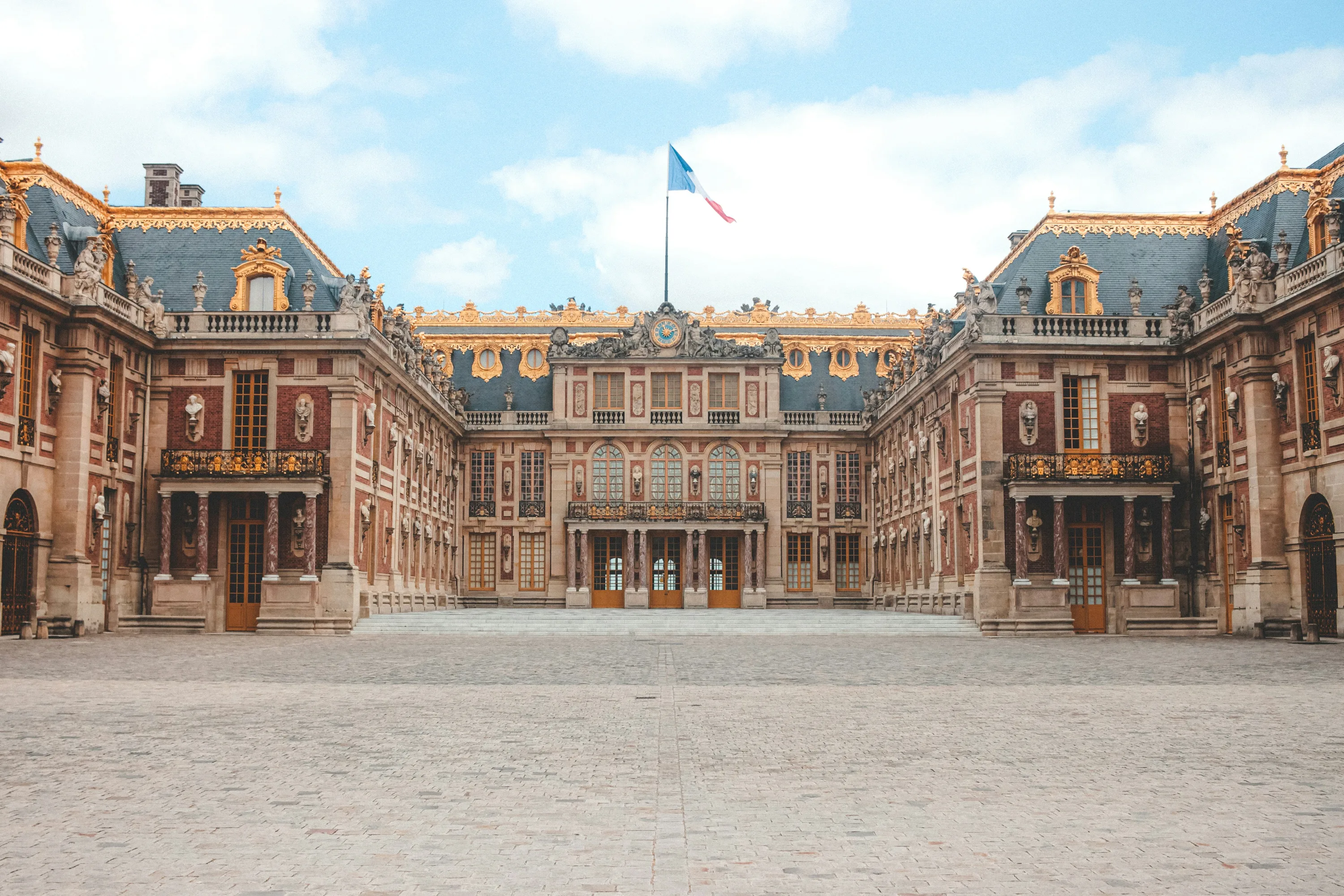
Twenty kilometres south-west of Paris, on a plateau that Louis XIII chose for a hunting lodge, stands the building that more completely than any other in the world embodies the idea of absolute monarchy. The Palace of Versailles was transformed from that modest lodge into the largest royal château in France by Louis XIV, who moved the court here in 1682 and made it the centre of political, artistic, and social life in France until the Revolution forced the royal family back to Paris in 1789. In those 107 years, successive kings and their architects, André Le Nôtre, Louis Le Vau, Jules Hardouin-Mansart, and a cast of hundreds of painters, sculptors, gilders, and craftsmen, created the most elaborate and influential royal residence ever built: 2,300 rooms, 800 hectares of estate, the Hall of Mirrors stretching 73 metres along the garden front, the Grand Canal stretching 1.6 kilometres through the formal gardens, and the Estate of Trianon providing private retreats for kings and Marie-Antoinette alike. Today it is among the most visited sites in the world and one of the most demanding to navigate well. This guide covers everything you need to know to make the most of a visit, including the ticket system, the free entry rules, the Musical Fountains schedule, and how to get there from Paris.
At a Glance
How Early to Book:
At least 2 weeks ahead for the Palace of Versailles, and a few days ahead for Estate of Trianon only.
At least 3 months in advance, sometimes as far as the full calendar year.
Best Times to Visit:
Mornings at 9am right when the Palace opens, or afternoons from 3:30pm when crowds thin out. Note that the Palace is particularly crowded on Tuesdays, when the Louvre is closed.
Ticket price:
The Passport, which covers the whole estate, is €25 in low season and €35 in high season. EEA nationals and residents pay €3 less. Under 18s and EEA residents under 26 enter the Palace and Trianon free.
Where to Book:
The Official Versailles ticketing website
Landmark Address:
Do You Need to Book Versailles Tickets in Advance?
Booking tickets online in advance is one of the most important decisions you will make for any Versailles visit. The ticketing queue at the Palace on busy days can run to 60 to 90 minutes, and timed entry to the Palace is mandatory for all visitors, including those entitled to free admission. Arriving without a pre-booked timed slot means joining the walk-up queue at the ticket desk, where slots for the day may already be exhausted by late morning on the most popular dates.
Book through the official Versailles ticketing site. This is the authorised official platform. Tickets are non-refundable and non-exchangeable.
There are two separate queues at the Palace entrance: the ticketing counter queue at Entrance B, and the security screening queue at Entrance A. Booking online eliminates the ticketing counter queue. Skip-the-line tickets from authorised operators eliminate both queues. On the busiest days of summer, the difference between having a pre-booked timed slot and buying on the day can be two to three hours of additional waiting.
Understanding the ticket structure
Versailles has a more complex ticketing structure than most attractions. The estate is divided into areas with different admission requirements, prices change between high season (1 April to 31 October) and low season (1 November to 31 March), and the Gardens are charged separately on days when the fountains are running.
The Passport ticket (recommended for most visitors):
The Passport is the optimal ticket for any visitor who wants to see the full estate in a single day. It is the only ticket that includes a guaranteed timed entry slot to the Palace, and it covers:
The Palace (with timed entry included)
The Estate of Trianon: Grand Trianon, Petit Trianon, and the Queen's Hamlet (open from noon)
The Gardens, including on Musical Fountains Show and Musical Gardens days, when access is otherwise charged
Temporary exhibitions in these spaces
It costs €25 in low season and €35 in high season, or €22 and €32 for EEA nationals and residents.
The discounted late admission Passport: The same full-estate access at a lower price, for visitors entering the Palace from 3:00pm in low season or 4:00pm in high season. It costs €18 low season and €28 high season, or €15 and €25 for EEA nationals and residents. You can still visit the Gardens from 9:00am and the Trianon from noon before your Palace slot, so this is a genuinely full day rather than a cut-down one.
Other ticket options:
Estate of Trianon ticket (no Palace): Covers the Grand Trianon, Petit Trianon, Queen's Hamlet, and the Trianon gardens. €15, or €12 for EEA nationals and residents, the same all year. It also covers the Gallery of Coaches and the main Gardens, except on Musical Fountains or Musical Gardens days. This is the right ticket for visitors who have already seen the Palace interior, or for a second day focused on the Trianon side of the estate.
Gardens ticket (Musical Fountains Show and Musical Gardens days): €15, or €12 for EEA nationals and residents. Not needed when the Gardens are free, which is all of low season and any high-season day without a show. The Passport includes this entry automatically.
Combined Musical Gardens or Musical Fountains plus Estate of Trianon: €20, or €17 for EEA nationals and residents. This is the ticket to reach for if Palace slots are sold out, or if you want the gardens and Trianon without the Palace interior.
Special rates: Large families with an official card, members of societies of friends of French national museums, and visitors paying with ANCV holiday vouchers can buy a €13 Passport or an €8 Estate of Trianon ticket. These are sold on site only, at the South Ministers' Wing desks and at the Grand and Petit Trianon.
The European discount: Since 14 January 2026, nationals or residents of the European Economic Area, meaning the 27 EU countries plus Liechtenstein, Iceland, and Norway, pay €3 less than the standard price on production of proof. Acceptable proof is an identity card, passport, visa, or carte de séjour, and it may be checked at Palace Entrance A, at the Grand and Petit Trianon, or at the Garden entrances when a charge applies.
Who gets in free: Free admission covers the Palace and the Estate of Trianon for all visitors under 18, all EEA nationals or residents under 26, holders of the ICOM card, carte Culture, and carte Relais Culturels, and recipients of guaranteed minimum income benefits. It does not extend to the Musical Gardens or Musical Fountains Show in high season. Everyone entitled to free admission still has to book a timed slot for the Palace.
Critical note on free admission and Musical Fountains days: If you qualify for free Palace admission but visit on a Musical Fountains Show or Musical Gardens day, the Gardens are not free. On those days you need the reduced Passport with timed reservation, which costs €10 and covers priority Palace access, the Trianon, and the Gardens. Present your exemption at the entrance. The only people who get into the Gardens free on show days are children aged 0 to 5.
The Paris Museum Pass covers the Palace and the Estate of Trianon at Versailles. Pass holders must still obtain a free Passport ticket with a timed entry slot online before arriving. The Pass does not cover the separately charged Gardens admission on show days.
Audio guide: The official Château de Versailles app is free to download and includes audio tours of the Palace, the Gardens, the Trianon Estate, and the Gallery of Coaches, plus an interactive map of the whole estate. Download it and load the audio before you arrive, and bring wired headphones. The Château now points visitors to the app rather than to a rental device.
Timed entry slot: Only the visit to the Palace requires a timed slot. The Palace guarantees entry within 30 minutes of the chosen time for Passport holders. Once inside, you are free to stay as long as the Palace is open. All other areas of the estate (Trianon, Gardens, Park) can be visited without a time slot and in whatever order you prefer.
Versailles Opening Hours and Entry Information
The Palace and Estate of Trianon are open Tuesday to Sunday. They are closed every Monday, on 1 January, 1 May, and 25 December.
The Palace closure on Mondays is the most important single fact to know before planning your trip. Visiting on a Tuesday is also complicated by a separate factor: when the Louvre is closed on Tuesdays, a significant portion of its visitors divert to Versailles, making Tuesday one of the busiest and most crowded days at the Palace.
High season (1 April to 31 October):
Palace: Tuesday to Sunday, 9:00am to 6:30pm (last admission approximately 6:00pm)
Estate of Trianon (Grand Trianon, Petit Trianon, Queen's Hamlet): Tuesday to Sunday, 12:00pm to 6:30pm
Gardens: Every day (including Monday), 8:00am to 8:30pm
Park: Every day, 7:00am to 8:30pm
Low season (1 November to 31 March):
Palace: Tuesday to Sunday, 9:00am to 5:30pm
Estate of Trianon: Tuesday to Sunday, 12:00pm to 5:30pm
Gardens: Every day, 8:00am to 6:00pm (free in low season except on show days)
Park: Every day, 8:00am to 6:00pm
The Park (surrounding the Grand Canal and the broader estate beyond the formal Gardens) is always free for pedestrians and cyclists. Leashed dogs are permitted in the Park but not in the formal Gardens.
Early Garden closures on show days: On days when the Gardens are being prepared for an evening event, they close at 5:30pm instead of the usual high season 8:30pm. In 2026 this applies to every Saturday of the Night Fountains Show from 6 June to 19 September, and to 16 May, 14 July, and 25 and 27 to 31 October and 1 November. If you are planning a late afternoon walk through the Gardens, check the date before you travel.
Note on re-entry: A Gardens ticket is generally valid for one entry, though a second admission through a different gate is sometimes permitted. Do not rely on being able to leave and return, and plan your time in the Gardens as a single continuous session.
What is the Best Way to Get to Versailles from Paris?
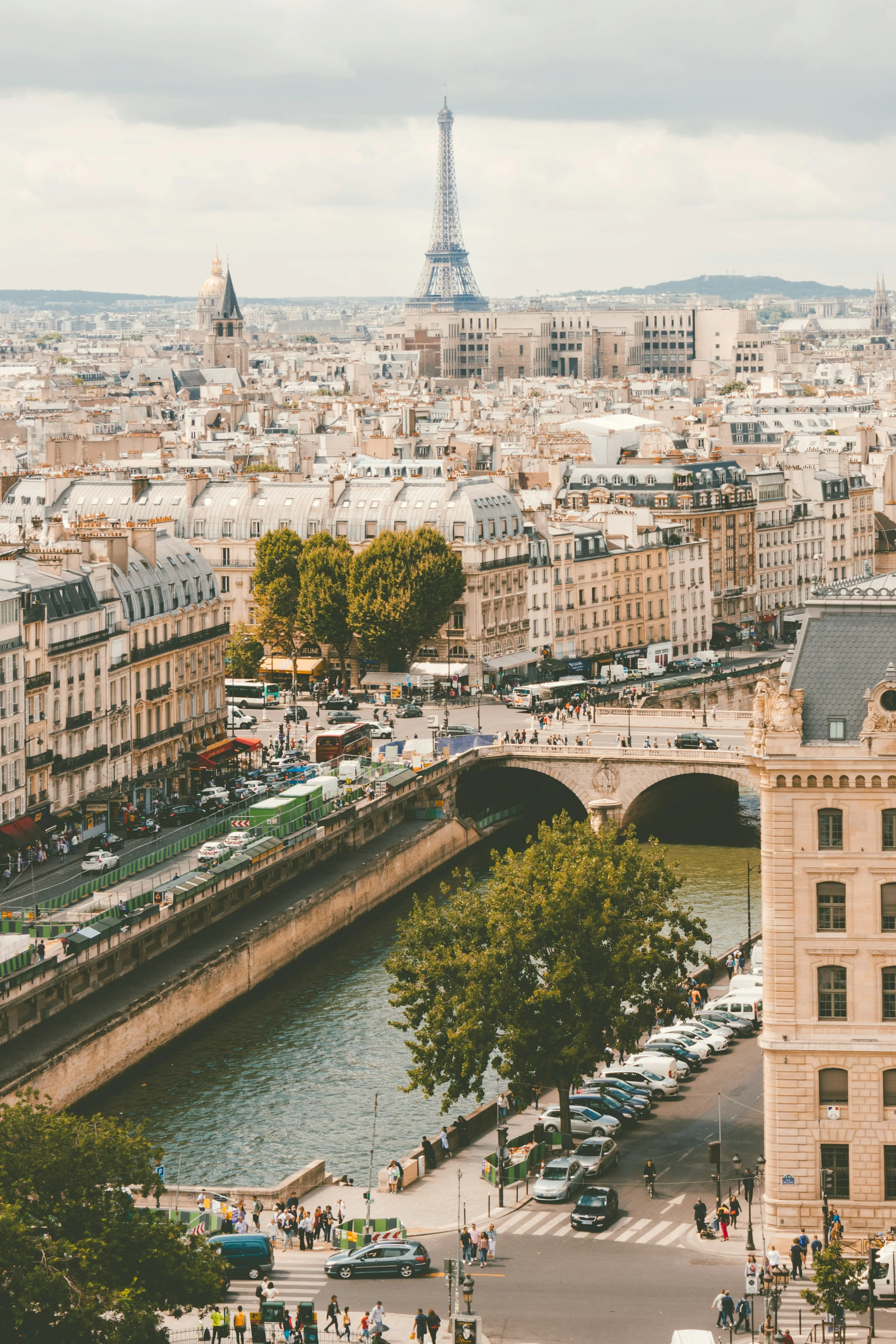
Versailles is approximately 20 kilometres from central Paris and is served by three train lines from different Paris termini. The journey from central Paris takes 30 to 45 minutes depending on your route and starting point.
RER C to Versailles Château Rive Gauche (most convenient, recommended):
The RER C line runs from Paris to Versailles Château Rive Gauche station, which is approximately 10 minutes on foot from the main Palace entrance. Stations served in Paris include Saint-Michel Notre-Dame, Musée d'Orsay, and Invalides. The RER C is the most direct and most frequently used route. Journey time from central Paris is approximately 35 to 45 minutes.
Important fare note: The standard Paris Métro ticket (T+) is not valid for the RER C to Versailles. You must purchase a separate return ticket (Zones 1 to 4 covering the Versailles journey) or use a Navigo, Mobilis, or Paris Visite pass that covers zones 1 to 4 or 1 to 5. The Navigo weekly or monthly pass (zones 1 to 5) covers the Versailles journey for no additional charge and is the most cost-effective option for visitors spending a week or more in Paris.
Transilien line L to Versailles Rive Droite (from Gare Saint-Lazare):
The Transilien L line from Paris Gare Saint-Lazare arrives at Versailles Rive Droite station, approximately 17 minutes on foot from the Palace entrance. Journey time from Paris is approximately 35 to 40 minutes. This route is useful for visitors staying near Saint-Lazare or the western Paris districts.
Transilien line N or U to Versailles Chantiers (from Gare Montparnasse):
The Transilien N or U from Paris Gare Montparnasse arrives at Versailles Chantiers station, approximately 18 minutes on foot from the Palace entrance. Journey time is approximately 25 to 35 minutes. This is the fastest rail journey from Paris but requires the longest walk from the station to the Palace.
On Musical Fountains days (April to October) the TRI shuttle bus runs between Versailles Chantiers, Versailles Château Rive Gauche, the Palace, and the Trianon palaces. Check current journey times on the Versailles transport information pages.
By car:
Take exit 5 Versailles Centre from the A13 motorway, then follow the signs for the Palace. The Palace sits at 48.8049° N, 2.1204° E. Parking is available at the Place d'Armes in front of the Palace (open 24 hours, paid), and in the Park at the Grand Canal, near the Trianon palaces, and at other estate locations. Parking is free for disabled visitors with a disability card or European disabled parking permit; dedicated spaces are available near Entrance B in the Main Courtyard.
By organised tours from Paris:
Numerous operators run day excursions from Paris to Versailles, including skip-the-line access, coach transfer, and guided visits. These are particularly worthwhile for visitors who want to avoid the complexity of the ticketing system, guarantee priority access, and have expert interpretation throughout. If you are visiting Versailles during peak summer season and have not managed to pre-book a timed Palace slot, an organised group tour using the group entrance can be the most practical way to see the Palace without a very long wait.
What is the Best Time to Visit Versailles?
Timing your visit to Versailles well makes more difference here than at almost any other attraction in this guide. The Palace can receive over 30,000 visitors a day during peak summer, and the queues, crowds in the Hall of Mirrors, and wait times can significantly undermine the experience. Strategic timing addresses all of these.
Opening time (9:00am) on a non-Tuesday, non-weekend weekday is the most consistently recommended approach from visitors and from the Château's own guidance. Arriving at 9:00am on a Wednesday or Thursday morning in high season allows you to enter the Palace in the calmest conditions, move through the State Apartments at your own pace, and reach the Hall of Mirrors before the guided tour groups arrive in numbers from around 10:30am. The Hall of Mirrors at 9:15am is a completely different experience from the Hall of Mirrors at 11:30am.
Avoid Tuesdays in high season. When the Louvre closes on Tuesdays, a very large number of visitors divert to Versailles. Tuesday is consistently the most crowded day of the week at the Palace, and the Versailles guidance specifically calls this out. If your Paris trip includes a Tuesday when you were planning Versailles, consider rescheduling.
Late afternoon entry with the discounted late admission Passport (from 3:00pm low season, 4:00pm high season): This is one of the most underused strategies for visiting the Palace. Arriving at the Palace at 3:00pm or 4:00pm on the discounted rate means you see the Hall of Mirrors when the guided tour groups have largely departed, and the Palace is noticeably quieter in the final hours of the day. You can still enter the Gardens from 9:00am and the Trianon from noon beforehand, so you lose very little of the day and pay €7 less than the full Passport.
A recommended full-day itinerary for high season:
Arrive at the estate by 9:00am (before the Palace opens)
Spend the first hours in the formal Gardens (best before the Musical Fountains begin if it is a show day)
Enter the Palace at your booked timed slot (as early in the day as possible)
From noon, visit the Estate of Trianon; the Grand Trianon and Petit Trianon open at noon, and the Queen's Hamlet is quieter in the afternoon
Return through the Gardens as the fountains are running if it is a show day
Low season (November to March) is the best-kept secret at Versailles. Crowds are dramatically lower, the Palace is intimate in the winter light, the Gardens are free, tickets are €10 cheaper, and on the first Sunday of each month entry is free for everyone. The fountains are off and the statues may be covered, but the formal geometry of Le Nôtre's landscape design reads clearly even without water in the basins, and the Palace interior is unchanged. A winter visit on a clear Thursday morning, with almost no queues and the Hall of Mirrors largely to yourself, is one of the finest experiences available at any French monument.
Musical Fountains days: The Musical Fountains Show (Grandes Eaux Musicales) runs every Saturday and Sunday from 4 April to 1 November 2026, plus every Tuesday from 5 May to 30 June, plus a handful of one-off dates: 3 April, 6 April, 8 May, 14 May, 25 May, and 14 July. The Musical Gardens (Jardins Musicaux) run Tuesday to Friday from 1 April to 30 October 2026. Both open the groves, which are otherwise closed, and both run from 9:00am to 7:00pm with baroque music playing while the fountains operate. Gardens admission on any of these days is €15, or €12 for EEA nationals and residents, unless you hold the Passport.
Note that tickets for the Musical Fountains Show and the Musical Gardens are sold by Château de Versailles Spectacles, online or by phone, or on site at the Gardens entrances. They are not sold at the Palace ticket office.
Night Fountains Show (Grandes Eaux Nocturnes): Every Saturday evening from 6 June to 19 September 2026, plus the evening of Tuesday 14 July, the Gardens are illuminated after dark for an evening walk through the lit groves and fountains, running roughly 8:30pm to 11:00pm. The 2026 edition ends on the Grande Perspective with fireworks and a display of more than 500 drones, which used to be reserved for a few special nights and now closes every Saturday of the season. Tickets are €39 full price, €36 reduced for France and the EEA, €28 for ages 4 to 11, and free under 3. This is a separate ticketed event: the Passport does not include it, and it does not include Palace entry.
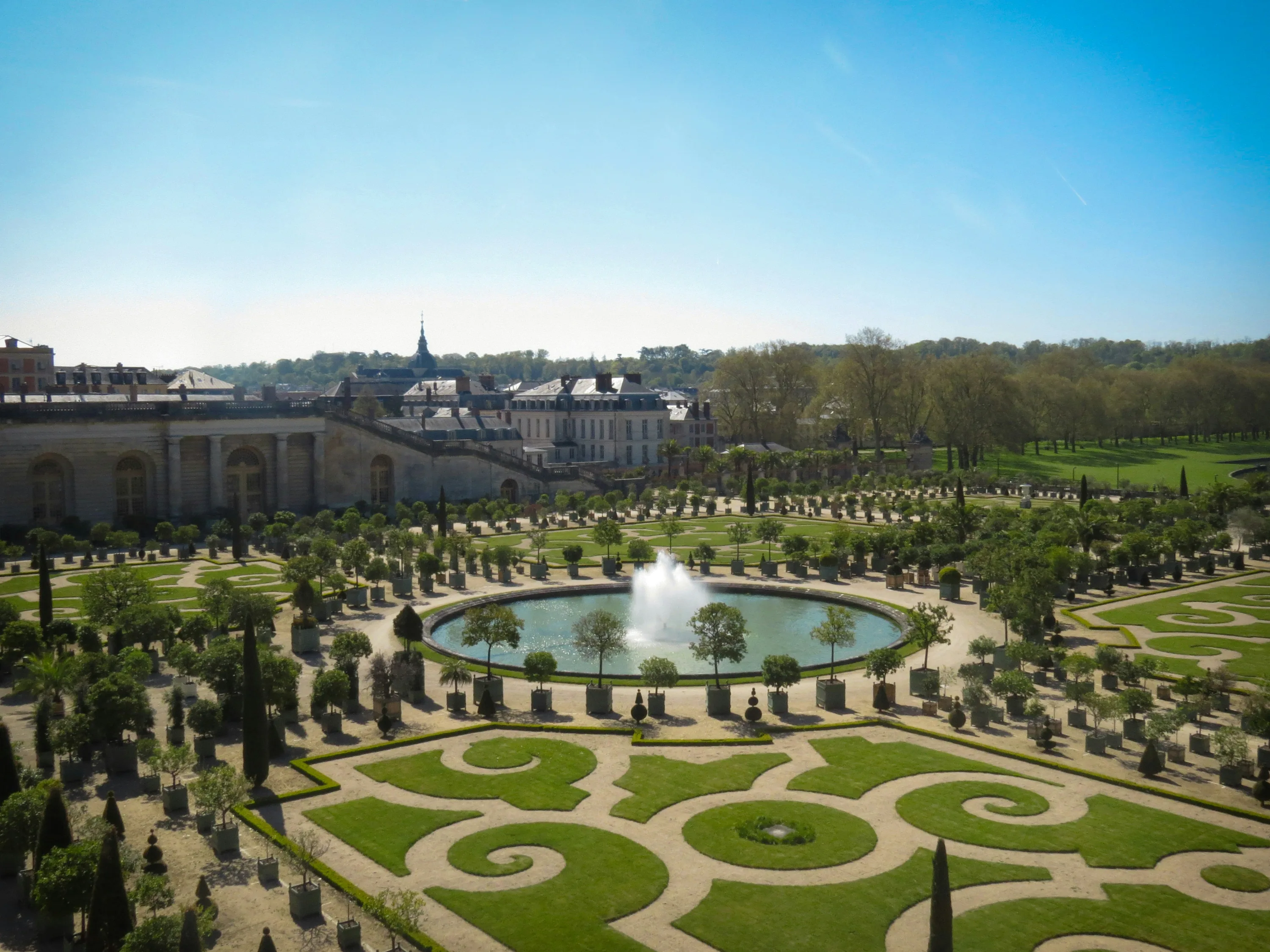
The Gardens of Versailles cover roughly 2,000 acres (800 hectares), featuring over 300 statues, 55 fountains, and 20 miles of water pipes. Designed by André Le Nôtre for Louis XIV, it took 40 years to create, and today requires 210,000 flowers and 200,000 trees to be planted annually.
Is the Palace of Versailles Worth Visiting?
The question perhaps deserves reframing: the Palace of Versailles is one of the most visited sites in the world, and the challenge is not whether to go but how to see it well. For visitors who arrive without a strategy, find themselves in queues for two hours, shuffle through the Hall of Mirrors in a crowd of hundreds with no room to stop, and return to Paris exhausted with a sense that the experience was less than the reputation, the problem is not the Palace but the planning.
For visitors who go with pre-booked timed entry, a clear sense of priorities, and the time to explore the full estate rather than just the Palace interior, Versailles is one of the most extraordinary human constructions in existence and fully justifies the journey from Paris.
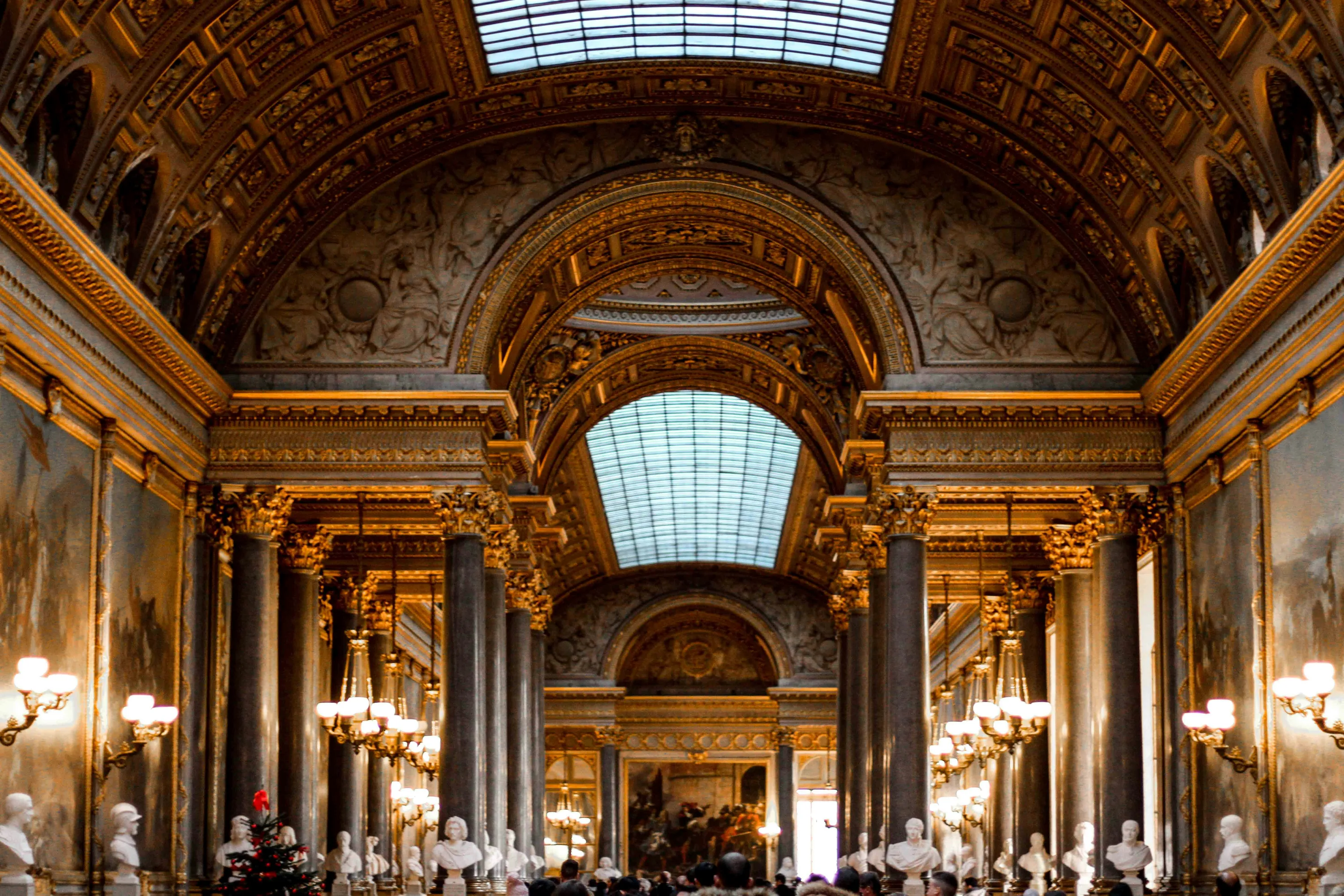
The Hall of Mirrors is the room most visitors come to see, and it is everything the photographs suggest and considerably more in person. Designed by Jules Hardouin-Mansart and completed in 1684, it runs 73 metres along the garden front of the Palace, with 17 arched windows overlooking the Grand Parterre and 357 mirrors in arched alcoves opposite them, multiplying the light that floods through the garden-facing windows. Painted ceiling panels by Charles Le Brun depict the military and diplomatic achievements of Louis XIV. The Hall was used for the most solemn occasions of the French state, including the proclamation of the German Empire in January 1871 and the signing of the Treaty of Versailles in June 1919. Arriving as early as possible in the morning is the only reliable way to experience it without crowds.
The King's State Apartments (the seven ceremonial rooms from the Hercules Room through to the Apollo Room, which served as the throne room from 1682) are among the most elaborately decorated interiors in the world. The painted ceilings, the Gobelin tapestries, the silver furniture, the porphyry vases, and the accumulated evidence of Louis XIV's personal mythology as the Sun King are extraordinary in their sustained intensity. The King's Bedchamber, at the geometric centre of the Palace facing due east to greet the rising sun, was the setting for the daily lever and coucher ceremonies that transformed even the king's waking and sleeping into public ritual.
The Queen's Apartments mirror the King's on the south side of the Palace. The Queen's Bedchamber is the room where nineteen royal children were born in public, as custom required, and where Marie-Antoinette fled in 1789 as the Revolutionary crowd invaded the Palace. The informal sequence of rooms known as Marie-Antoinette's Private Chambers, beyond the State Apartments and accessible on the main visitor route, shows the more intimate side of the queen's life at Versailles, with decoration that was altered multiple times to reflect her changing tastes.
The Royal Chapel, completed in 1710, is one of the finest examples of French Baroque religious architecture: a two-storey nave with gilded capitals, painted vaulting, and an organ above the Royal Tribune where the king attended Mass each day while the court assembled in the galleries below to be seen. The chapel is near the beginning of the standard visitor route and can be skipped by visitors in a hurry; do not skip it.
The Estate of Trianon is the most consistently undervisited section of the Versailles estate and the most rewarding for visitors who arrive with a full day rather than a half day. The Grand Trianon, Louis XIV's pink marble retreat from the formality of the Palace, has a separate and somewhat more intimate scale and character. The Petit Trianon, built for Louis XV and famously favoured by Marie-Antoinette, is a perfect neoclassical pavilion in its own right, set in the English garden she designed around it with temples, a belvedere, and a grotto. The Queen's Hamlet, Marie-Antoinette's private rustic village of thatched farm buildings, is one of the strangest and most evocative spaces at Versailles: an artificial pastoral fantasy built for a queen who wanted to escape the palace's ceremonial world, on the estate of the most ceremonial palace on earth. It has a working farm and is particularly engaging for families with children, who respond strongly to the animals and the fairy-tale character of the buildings. The Trianon estate opens at noon; planning to be there by 12:30pm after a morning in the formal Gardens or the Palace works well.
The formal Gardens were designed by André Le Nôtre between 1661 and 1700 and represent the most complete realisation of the French formal garden tradition in existence. The central axis extends from the Palace through the Grand Parterre, the Latona Fountain, and the Royal Walk to the Apollo Fountain and the Grand Canal, a distance of nearly two kilometres. The bosquets (groves) on either side contain hidden rooms of clipped hedging, fountains, and sculptures from the mythology of classical antiquity. On Musical Gardens days, strolling through the bosquets while the fountains play to baroque music is one of the great sensory experiences of any French garden.
How Much Time Should I Spend at Versailles?
Plan for a full day if you want to see the Palace, the Gardens, and the Estate of Trianon. A half day (3 to 4 hours) covers the Palace interior and a walk through the formal Gardens; the Trianon estate is left out entirely at this pace, which most visitors who have been to Versailles once recommend avoiding.
Approximate time allocations:
Travel from central Paris: 40 to 50 minutes each way
Security queue and entry: 15 to 30 minutes (less with advance booking)
Palace interior (State Apartments, Hall of Mirrors, Royal Chapel): 2 to 3 hours
Formal Gardens: 1 to 2 hours (more on Musical Fountains days)
Estate of Trianon (Grand Trianon, Petit Trianon, Queen's Hamlet): 1.5 to 2 hours
Total for the full estate at a comfortable pace: 6 to 8 hours on site, plus travel. An early departure from Paris (train by 8:30am) and a return by 7:00pm or 8:00pm covers this comfortably.
Guided Tours and Audio Guides at the Palace of Versailles
The official free app from Château de Versailles is the best guide tool for most independent visitors. It includes audio tours of the Palace (available in multiple languages), the Gardens, the Trianon Estate, and the Gallery of Coaches, plus an interactive map of the full 800-hectare estate. Download it and load the audio before leaving Paris; connectivity inside the Palace can be variable. Bring your own wired headphones.
Official guided tours of the Palace are offered by the Château de Versailles and cover specific areas not accessible on the standard self-guided route, including the King's Private Apartments and the Royal Opera, which are among the finest spaces at Versailles and normally closed to independent visitors. Tours carry a supplement on top of admission and are available in French and in English. Tickets for them are sold online and at the guided tour desk in the North Ministers' Wing; check the current programme and prices and book in advance.
Organised day tour operators from Paris (GetYourGuide, Viator, and similar) offer a range of guided Versailles experiences including skip-the-line priority access through the group entrance, which bypasses both the ticketing queue and the security queue. During the peak summer months when individual timed slots may be scarce and queues are longest, an organised group tour can provide the most reliable and efficient access to the Palace.
Getting around the estate: The Gardens and Park are large enough that walking the full estate requires several kilometres. Electric golf carts are available for hire within the estate. The little train (Petit Train) runs between the Palace, the Grand Canal, and the Trianon Palaces, providing transportation for visitors who cannot or prefer not to walk the full distance. These services are not included in standard admission and carry a separate charge.
Food and Drink at Versailles
The Versailles estate has several dining options spread across its 800 hectares.
La Flottille restaurant is located beside the Grand Canal, approximately midway between the Palace and the far end of the water feature. It serves full meals and lighter options in a pleasant lakeside setting, and it opens daily, including Mondays when the Palace is closed. It is the most practical lunch option for visitors who want to sit down to eat between the formal Gardens and a visit to the Trianon estate.
Angelina at Versailles is a branch of the famous Parisian tearoom, located in the Pavillon d'Orléans within the Palace and offering hot chocolate, pastries, and light dishes. There are additional Angelina cafés within the Trianon estate. It is closed on Mondays.
Multiple cafés and kiosks are distributed across the Gardens and estate, serving sandwiches, drinks, and quick food. These are the most practical options on busy summer days when table-service restaurants have long waits.
Picnics: You may picnic in the Park (the large area outside the formal Gardens, around the Grand Canal). You may not picnic inside the Palace or in the formal Gardens. The Park is an excellent place for a picnic lunch on a fine day, particularly along the banks of the Grand Canal.
No outside food or drink inside the Palace. Water may be carried inside the formal Gardens.
Accessibility at Versailles
The Palace of Versailles is partially accessible and makes an earnest effort to facilitate visits for visitors with disabilities, though the historic architecture creates unavoidable constraints in some areas.
Entrance: Upon presentation of proof of disability, disabled visitors and one accompanying person may park or be dropped off directly in the Main Courtyard near Entrance B, rather than using the external car parks. Parking is free for disabled visitors.
Within the Palace: The Palace has accessible routes and ramps at key points. Some historic rooms present constraints due to the building's age. Security staff are available throughout to assist.
Within the Estate of Trianon: Access ramps are available at the entrances to the Trianon palaces. The first floor of the Petit Trianon is not accessible to visitors with motor disabilities, but a multimedia room on the ground floor provides a presentation of the first floor. Manual wheelchairs are available free of charge for visiting the Grand Trianon and Petit Trianon.
For the Gardens and Park: The flat central axis and many of the major paths are accessible. The TRI bus service (seasonal) is recommended for disabled visitors who want to travel between the Palace and the Trianon estate, rather than the 30-minute walk through the Gardens.
Guide dogs and assistance animals: Permitted on presentation of proof.
Free admission for disabled visitors and one accompanying person, on presentation of a disability card or European disabled parking permit.
Rules, Bags, and Security
Photography is permitted without flash throughout the Palace, Gardens, Trianon estate, and Gallery of Coaches. Tripods and monopods are not permitted. Photography for commercial use requires prior authorisation.
Bags and pushchairs: Automatic lockers are available at the Palace for personal items and luggage that do not exceed the limited format (typically cabin-bag size). Children's pushchairs and baby carriers with metal frames are not permitted in the rooms of the Palace. A pram-friendly pushchair may be left at the entrance to the Palace with the security staff and a tag collected for retrieval.
Large bags and suitcases: Not suitable given the Palace's size limits on items brought inside. Store large luggage at a Paris railway station left-luggage facility before your visit.
Mobile phones in the rooms: Visitors are asked to turn off mobile phones inside the Palace rooms. No flash photography.
Animals: Not permitted in the Palace, the formal Gardens, or the Trianon estate. Leashed dogs are permitted in the Park only.
Security: Security screening at Entrance A is the primary checkpoint for individual visitors with pre-booked tickets. Arriving 15 to 30 minutes before your timed entry slot is advisable to clear security without stress.
Children under 10: Guided tours are free for children under 10.
What Else is There to Do Near Versailles?
Versailles town (the municipality that surrounds the estate) is built around the Marché Notre-Dame. The covered market halls open Tuesday to Sunday, closed Mondays, and the large open-air market fills the square on Tuesday, Friday, and Sunday mornings. It is a short walk from the Palace and an excellent place to assemble a picnic before heading into the Park. The streets around it hold several good restaurants and cafés. Spending an hour in the town before or after the Palace visit is a pleasant complement to the day.
The Royal Stables (Les Grandes Écuries) opposite the Palace entrance on Place d'Armes house the Carrousel de Versailles equestrian school and occasionally programme public performances and exhibitions. Check the current programme on the Versailles estate website.
The Gallery of Coaches (Galerie des Carrosses) is one of the less-visited spaces on the estate. It opens at 12:30pm, later than the rest of the estate, and is covered by the Passport, by the Estate of Trianon ticket, and by free admission for eligible visitors. It holds the royal carriages used for major state ceremonial occasions in the 18th and 19th centuries, including the coronation coaches of Charles X and Napoleon III, and is a remarkable collection that rewards the walk to the South Wing.
The Royal Tennis Court (Jeu de Paume) where the Third Estate swore the Tennis Court Oath in 1789, the foundational moment of the French Revolution, is accessible free of charge as part of a basic estate visit. It is a short walk from the Palace through the Cour des Princes.
Final Tips for Visiting Versailles
Book the Passport ticket with a timed entry slot as early as possible. It is the only ticket that guarantees Palace entry and covers the full estate. Do not assume that a different ticket covering only part of the estate and hoping to buy a gardens add-on on the day will work smoothly; on Musical Fountains days the pricing layers are complex and queues at the gardens entrance can be significant.
Check whether you qualify for free entry. Under 18s of any nationality, and EEA nationals or residents under 26, enter the Palace and the Trianon free all year. You still need to book a timed slot, and on fountain days you will need the €10 reduced Passport to get into the Gardens.
Arrive at 9:00am. This is the single most consistent piece of advice from experienced Versailles visitors and from the Château itself. The gap between 9:00am and 10:30am is the calmest window in the Palace, particularly in the Hall of Mirrors. Every 15 minutes of additional delay in entering during peak season compounds the crowd density.
Do not visit on a Tuesday in high season. When the Louvre is closed, Versailles absorbs its visitors. Tuesday is the most crowded day of the week at Versailles during the high season. Note that some Tuesdays between May and June are also Musical Fountains days, which means paying for the Gardens on top of the crowds.
Allow a full day. The Estate of Trianon and the Queen's Hamlet are among the most rewarding parts of the whole estate, and they open at noon. Any visit that ends before seeing the Trianon side has missed half of what Versailles offers.
Plan the Trianon for the afternoon. The Grand Trianon, Petit Trianon, and Queen's Hamlet are consistently quieter in the afternoon than the main Palace, and the walk or mini-train journey there (30 minutes from the Palace on foot through the formal Gardens) is one of the most pleasant parts of the visit.
Download the official Versailles app before leaving Paris. It is free, excellent, covers all sections of the estate, and is the guide the Château itself now points visitors towards.
Consider low season if your dates are flexible. November through March at Versailles offers dramatically smaller crowds, free Gardens, a Passport that costs €10 less, the same Palace interior in perfect condition, and the deeply atmospheric experience of one of the greatest palaces in the world without the summer chaos. The first Sunday of each month from November to March is free for everyone; book your Palace time slot as soon as it opens as these days fill quickly.
Reserve time for the Hall of Mirrors but do not let it consume the entire visit. The Hall of Mirrors is the reason most visitors come to Versailles, and it deserves the time and attention it rewards. But the King's Private Apartments (accessible on guided tours), the Royal Chapel, the Trianon palaces, and the Gardens offer experiences of equal depth that crowds and time pressure frequently cause visitors to miss.
Bring comfortable shoes. The distances between different parts of the estate are large, the Palace floors are hard, and the formal Gardens involve several kilometres of walking on gravel paths. Appropriate footwear is a practical necessity rather than a mere recommendation.
Back to Paris Attractions
Explore other Paris attractions

" width="24px"><path d="M 0 0 L 24 0 L 24 21.231 L 0 21.231 Z" fill="transparent" height="21.230768474975793px" id="nL2EwDcS9" width="24px"/><path d="M 0 0.541 C 0 0.242 0.245 0 0.547 0 L 2.735 0 C 3.037 0 3.282 0.242 3.282 0.541 L 3.282 4.598 C 3.282 4.897 3.037 5.139 2.735 5.139 L 0.547 5.139 C 0.245 5.139 0 4.897 0 4.598 Z" fill="rgb(196, 217, 201)" height="5.138657337892187px" id="hZ_rlBe_S" transform="translate(0 16.092)" width="3.2820512820512358px"/><path d="M 0 0.541 C 0 0.242 0.245 0 0.547 0 L 2.735 0 C 3.037 0 3.282 0.242 3.282 0.541 L 3.282 7.843 C 3.282 8.142 3.037 8.384 2.735 8.384 L 0.547 8.384 C 0.245 8.384 0 8.142 0 7.843 Z" fill="rgb(230, 211, 160)" height="8.38412513024521px" id="HgVBxIz3e" transform="translate(5.128 12.847)" width="3.282051282051235px"/><path d="M 0 0.541 C 0 0.242 0.245 0 0.547 0 L 2.735 0 C 3.037 0 3.282 0.242 3.282 0.541 L 3.282 12.982 C 3.282 13.281 3.037 13.523 2.735 13.523 L 0.547 13.523 C 0.245 13.523 0 13.281 0 12.982 Z" fill="rgb(232, 207, 164)" height="13.522782468137464px" id="utgrDnoM9" transform="translate(10.325 7.708)" width="3.282051282051377px"/><path d="M 0 0.541 C 0 0.242 0.245 0 0.547 0 L 2.735 0 C 3.037 0 3.282 0.242 3.282 0.541 L 3.282 16.498 C 3.282 16.797 3.037 17.039 2.735 17.039 L 0.547 17.039 C 0.245 17.039 0 16.797 0 16.498 Z" fill="rgb(233, 196, 166)" height="17.038705909853153px" id="OLOhW6STz" transform="translate(15.521 4.192)" width="3.2820512820512384px"/><path d="M 0 0.541 C 0 0.242 0.245 0 0.547 0 L 2.735 0 C 3.037 0 3.282 0.242 3.282 0.541 L 3.282 20.69 C 3.282 20.989 3.037 21.231 2.735 21.231 L 0.547 21.231 C 0.245 21.231 0 20.989 0 20.69 Z" fill="rgb(217, 170, 153)" height="21.230768474975793px" id="H5Z8wcwkd" transform="translate(20.718 0)" width="3.2820512820512278px"/></g></svg>)