
England • Wiltshire
Pre-booking recommended a couple days ahead for general entry, and is required for the Stone Circle and Explorer tours which take visitors directly into the center of the monument.
Book 1-3 Days Ahead
General Entry
Book 2-4 Weeks Ahead
Immersive Experiences
Back to London Attractions
How Far in Advance to Book Tickets to Stonehenge
Updated September 2026
Among ancient landmarks, few stand as recognized as Stonehenge: massive upright stones arranged in a ring upon the broad fields of Wiltshire. Construction began near 3000 BC, continuing through centuries with adjustments made across approximately fifteen hundred years. Its positioning follows solar patterns - alignments scholars continue examining without full consensus. The area surrounding the circle holds more than just stones; it includes graves, processional paths, and earthen formations scattered widely. Designated a World Heritage Site, its boundaries stretch far past the central structure into deeper layers of history. English Heritage oversees operations where annual attendance exceeds one million people. Entry occurs under a reservation model offering three distinct options differing in access level and timing. One path allows proximity within the stone arrangement while others restrict distance. Each visitor type encounters conditions shaped by advance selection - not chance availability. Choosing carefully ahead of time affects what can be seen, when, and at what cost.
At a Glance
How Early to Book:
1-2 days ahead of visit for general admission, and 3-4 weeks ahead for the Explorer and Stone Circle experiences.
Tickets Released:
Tickets are released for full seasons, usually one for offseason through mid-March, and another for peak season through September.
Best Times to Visit:
Earliest or latest time-slots available will have the least crowds.
Ticket price:
General admission runs roughly £25 to £29 depending on the day. Special experiences range from £70 to £295 per person (see below)
Museum Website:
Monument Address:
Stonehenge Tickets
Stonehenge operates a timed-entry system, and booking in advance is recommended. Booking online in advance saves you 15% compared to buying tickets at the gate. Beyond the saving, advance booking guarantees your entry at a preferred time, which matters especially in summer when popular slots sell out.
Where to book: Always book through the official English Heritage website. This is the cheapest authorised source and the only place to access all three visit formats.
Three distinct ways to visit:
1. General Admission (Standard Entry) 2. Stone Circle Experience (Special Access Visit) 3. Explorer Tour (Private VIP Experience)
Each of these is covered in full in its own section below.
Pricing structure: Stonehenge uses three price tiers, Super Saver, Saver and Standard. Super Saver covers weekdays outside the summer, Saver covers summer weekdays and off-season weekends, and Standard covers summer weekends and bank holidays. Standard is the most expensive tier and concessions are not available on those dates. The calendar on the English Heritage booking page shows which tariff applies to your chosen date, so check before booking.
English Heritage membership: Members of English Heritage and of the National Trust in England enter Stonehenge free of charge. You still need to book in advance, and members park free. At £82 per adult annually, membership pays for itself after three or four site visits across over 400 English Heritage properties. Joint adult membership is £144. For a longer England trip covering several sites, it is worth pricing up before you book individual tickets.
National Trust membership: National Trust England members book using code G03ANZ at the checkout and should bring their membership card. Associated members, including CSSC, National Trust England, CADW and Historic Scotland, also park free but need to give their number plate to the admissions desk.
2-for-1 with National Rail: A 2-for-1 offer is occasionally available with National Rail tickets. Check the Days Out With a National Railcard or National Rail 2for1 pages before booking, as availability changes.
Discount tickets: Stonehenge does not operate a standard discount code system. The 15% online saving is the most reliable discount available to general visitors. Students with valid ID can access the concession rate outside Peak periods.
Same-day tickets: Walk-up tickets are available at the Stonehenge visitor centre, subject to availability. You may also purchase tickets on arrival at Stonehenge on the day, but during busy periods popular time slots sell out in advance and on-the-day availability is not guaranteed, particularly in summer. Walk-up tickets also cost more than the online price.
Stonehenge Entry Fee: What Does General Admission Cost?
Stonehenge admission is priced by date across three tiers. Published prices for the current season, which runs to 16 March 2027, are:
Full breakdown:
Adults (18+): £24.65 to £29.32 depending on the tier
Children aged 5 to 17: £12.32 to £14.62
Children under 5: Free
English Heritage members: Free (timed slot booking still required)
National Trust members (England): Free (timed slot booking still required)
Disabled visitors: Standard admission rates. Visitors with disabilities may bring one accompanying person free of charge
Booking online in advance saves up to 15% on these prices, and the saving applies right up until midnight the day before your visit. Buy on the day, online or at the admissions till, and you pay the full price.
Family tickets: A family ticket covers two adults and up to three children aged 5 to 17. Under-5s enter free and do not count toward that limit. If you are travelling with more than three children aged 5 to 17, you will need additional individual child tickets. Family prices vary by tier, so check the booking calendar for your date.
What General Admission includes:
Access to the stone circle viewing pathway (a circular route at a short distance from the stones)
Access to the Stonehenge Visitor Centre and the permanent exhibition
The Neolithic houses reconstruction
The free shuttle bus between the Visitor Centre and the stones (around one mile apart; the journey takes approximately five to seven minutes)
The Stonehenge Audio Guide, available free via the downloadable app (search "Stonehenge Audio Tour" before your visit; available in 12 languages)
Use of the café, gift shop, and toilets (free to all, no ticket required)
What General Admission does not include: Entry inside the stone circle itself. On a General Admission ticket, you walk the designated path around the outside of the stones. You cannot enter the centre or cross the barrier on a standard ticket. For access inside the stones, see the Stone Circle Experience and Explorer Tour sections below.
Parking: Car parking is at the Visitor Centre. There is a £4 parking charge for non-members. English Heritage members park free and should display their membership sticker clearly in the car window. Associated members give their number plate to the admissions desk. Download the RingGo app before you travel to pay for parking.
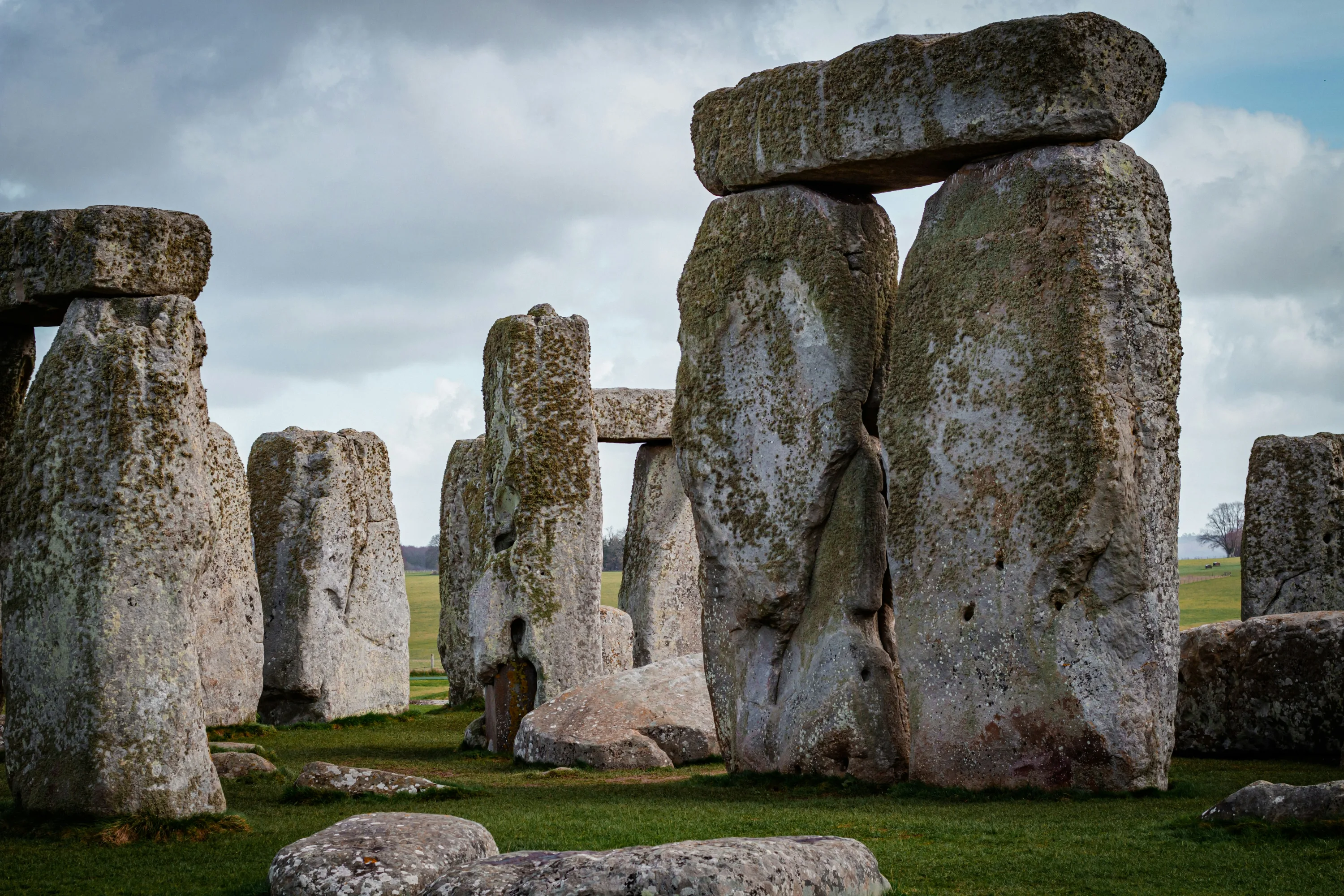
Stonehenge Opening Hours and Entry Information
Stonehenge is open every day except 25 December. Opening times by period are:
7 September 2026 to 16 March 2027: 9:30am to 5:00pm, last entry 3:00pm
28 March 2026 to 6 September 2026: 9:30am to 6:00pm, last entry 4:00pm
Last entry is a long way before closing at Stonehenge, considerably earlier than at most museum-style attractions, so check the exact time for your date and plan your arrival accordingly. Opening times may differ on the solstices, and the English Heritage website is updated to reflect any changes.
The busiest times are between 11:00am and 2:00pm.
Address: Stonehenge, near Amesbury, Wiltshire SP4 7DE
Nearest town: Amesbury, 2 miles away. Salisbury, around 10 miles south, is the nearest city with significant public transport connections.
Stonehenge Stone Circle Experience (Inner Circle Access)
The Stone Circle Experience is the most popular special access visit and the most significant upgrade from General Admission. This is the option that lets you step inside the stones themselves rather than view them from the path.
What it is: Stone Circle Experience visits take place in the early morning or evening, outside normal visiting hours. They last one hour and take place with a maximum of 52 people per session, split into two groups of 26 when at the stones.
On arrival, you will be split into two groups by your Stone Circle Experience host. After taking the shuttle bus to the stones, each group separately receives a guided tour of the inside of the stone circle as well as a tour of the surrounding landscape, which contains important features including the Slaughter Stone and the Heel Stone.
Prices:
Adults (18+): £70
Children aged 5 to 17: £40
Children under 5: Free
English Heritage Member discounts are available; check the booking page for current member pricing
When it runs: Sessions take place in the early morning before the site opens to day visitors, or in the evening after it closes. Times vary by season: in summer the evening sessions can begin quite late, while winter sessions happen in the dark. There are no Stone Circle Experience sessions in October or November. Early morning sessions around sunrise are the best way to experience the monument.
Booking: Book through the English Heritage website. Sessions are strictly capped and frequently sell out months in advance during peak season. English Heritage is currently taking bookings through March 2027. Book as far ahead as you can, and if you are planning an autumn trip, note the October and November gap before you build a day around it.
Important: Please be aware that the timetable for the Stonehenge Tour Bus service from Salisbury may not coincide with Stone Circle Experience visit times. Check the timetable before booking if you are travelling without a car. Given that early morning and evening sessions fall outside normal transport hours, most visitors doing the Stone Circle Experience arrive by car or private transfer.
Can you touch the stones? No, and this applies at all access levels. Touching the stones can damage the rare lichens that grow on their surfaces, and this is enforced throughout. However, during the Stone Circle Experience, you can walk through the stone archways, getting close enough to the stones that you could reach out and touch them, even though you are asked not to. The proximity is dramatically different from the standard viewing path.
Group activities: If you are planning a visit for group activities such as meditation, yoga, or handfasting, these can be arranged as a private booking with the entire session reserved for your group. Contact English Heritage directly.
What visitors say: The Stone Circle Experience consistently produces some of the most enthusiastic visitor reviews of any UK heritage attraction. A recurring theme is that the difference between viewing the stones from the path and standing among them is far greater than expected: the sheer physical scale of the stones is only fully apparent when you are next to them. Dawn sessions, with the light changing as the sun rises, are particularly praised. If a Stone Circle Experience aligns with your visit to Wiltshire, the premium over general admission is well worth it.
Stonehenge Explorer Tour (Private VIP Experience)
The Explorer Tour is English Heritage's most exclusive Stonehenge experience, launched in 2025 and designed for visitors who want the most immersive and personal access possible. It is in a completely different category from both General Admission and the Stone Circle Experience.
What it is: In groups of no more than five people, you will stand in the heart of the Stone Circle, travel in style across the prehistoric landscape, and get unparalleled insight into the world of Stonehenge, led by two expert guides.
The tour lasts approximately three hours and includes a guided tour of the exhibition, the Monument field including the inner circle, and the nearby sites of Woodhenge and Durrington Walls. Guests are transported throughout in a private English Heritage vehicle, travelling from the Visitor Centre to Stonehenge with additional stops at Woodhenge and Durrington Walls, located 10 to 15 minutes away.
The Explorer Tour also includes 10 to 15 minutes inside the inner circle, the opportunity to observe English Heritage staff carrying out a "stone check" for a behind-the-scenes look at how the monument is cared for, and time for photos and additional history. Each guest receives a complimentary goody bag and snack bag, as well as a hot drink from the café before heading into the exhibition.
Prices:
Adults (18+): £295 per person
Children aged 12 to 17: £195 per person
Not suitable for children under 12
The tour is delivered in English. You are welcome to bring an interpreter, but they will need their own ticket.
When it runs: The tour runs from 2:30pm to 5:30pm between September and March, and from 3:30pm to 6:30pm between April and early September. Current dates are Thursday, Friday, Saturday, Sunday and Monday through to the end of November 2026, then Friday, Saturday and Sunday from December 2026 to March 2027. Arrive at the Stonehenge car park by 2:15pm and make your way to the membership office at the visitor centre, where you will meet your guides for the afternoon. English Heritage is currently taking bookings through March 2027.
How the Explorer Tour differs from the Stone Circle Experience: The Explorer Tour is more personal and intimate than the Stone Circle Experience, with a maximum of five guests per session compared to 52 for the SCE. It includes the Stone Circle and the inner circle access that the SCE provides, but additionally covers Woodhenge and Durrington Walls by private vehicle, with two dedicated expert guides throughout, and exclusive behind-the-scenes elements such as the stone check.
Practical notes: The tour involves some walking over uneven ground and is most suitable for people with a good level of mobility. Dress for the weather: Stonehenge is in an exposed spot on Salisbury Plain, so layers and sensible footwear are recommended. Please let English Heritage know of any dietary requirements or allergies in advance.
Who it is for: The Explorer Tour is designed for visitors who want the most complete, knowledgeable, and unhurried experience of Stonehenge that money can buy. At £295 per adult it is a premium experience by any standard, but as a private group of up to five for three hours with two expert guides, private transport, and inner circle access, it represents a fundamentally different category of visit from anything else English Heritage offers. For special occasions, honeymoons, anniversaries, or any visitor for whom Stonehenge is clearly the centrepiece of their trip, it is worth taking seriously.
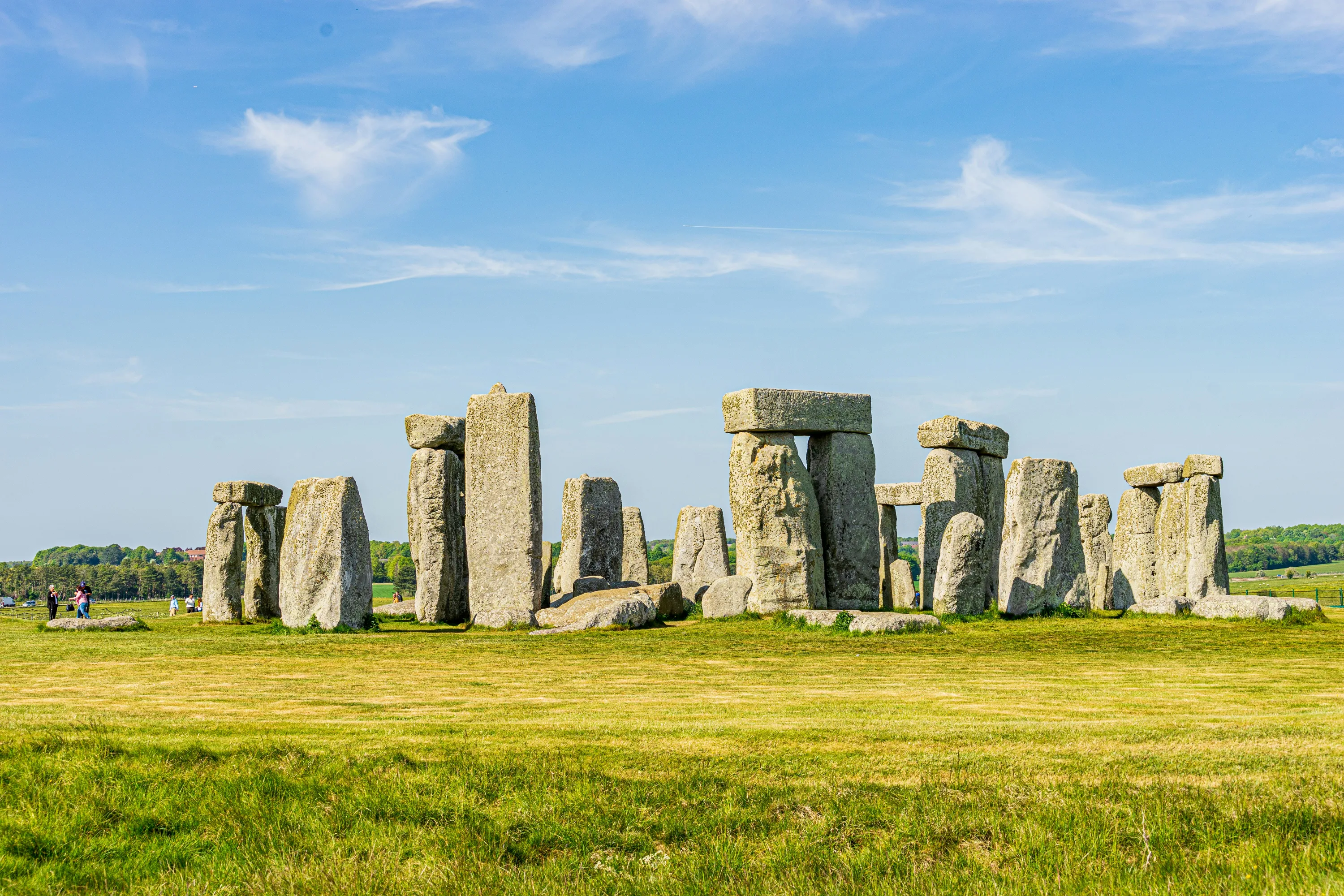
Stonehenge is built with two types of rocks. The largest stones (sarsens) weigh an average of 25 tons. The smaller "bluestones" weigh about 4 tons each and were somehow transported an astonishing 150 to 200 miles from the Preseli Hills in Wales.
The Stonehenge Tour Bus Ticket
The Stonehenge Tour Bus is the most practical transport option for visitors arriving in Salisbury by train and wanting to reach the monument without a car. It is also bookable as a combined package including Stonehenge admission.
What it is: The Stonehenge Tour is operated by Salisbury Reds as a hop-on hop-off service. It picks up in Salisbury city centre and runs to Old Sarum, then through the Wiltshire countryside to Stonehenge. On-board commentary is available in 10 languages.
Combined ticket options: An all-in-one ticket includes the full bus tour with on-board commentary, full entry to Stonehenge and its Visitor Centre, and entry to Salisbury Cathedral. Alternatively, you can pay for the bus tour only and enjoy the ride through the landscape.
Book at: thestonehengetour.info. Check the current timetable carefully before booking, as times vary between summer and winter schedules.
A smaller group alternative: A private shuttle service operates from directly opposite Salisbury train station. The Caboose shuttle runs six departures daily for £15 return, with a reserved seat in a 12-passenger minibus. The 35-minute journey operates direct from Salisbury Station to Stonehenge Visitor Centre. Your return seat is included; you can take any return bus back. Luggage storage is available free of charge while you visit. This is a good option for visitors who find the larger tour bus less appealing and want a quieter, more organised transfer.
Important note: If you are planning a Stone Circle Experience, please be aware that the Stonehenge Tour Bus timetable may not coincide with your visit times. Check the timetable before booking. Stone Circle Experience sessions take place outside normal hours when the bus does not operate.
What is the Best Way to Get to Stonehenge?
Stonehenge is in a rural location on Salisbury Plain, around 90 miles (145 km) west of London. Getting there requires planning, and the journey significantly affects how much time you spend at the monument.
By car from London: The most flexible option. Driving from central London takes approximately 90 minutes to two hours in good traffic via the M3 and A303. Parking is at the Visitor Centre (£4 for non-members, free for English Heritage and National Trust members).
By train and bus from London:
Take a train from London Waterloo to Salisbury (approximately 90 minutes, direct services run regularly)
From Salisbury, take the Stonehenge Tour Bus or the Caboose private shuttle to the Visitor Centre (approximately 35 to 40 minutes)
Total journey time from central London: approximately two and a half to three hours each way
Tour from London: Several operators run day tours from London by coach, typically departing from Victoria or central London pick-up points and including Stonehenge admission as part of the package. These are the most straightforward option for visitors who do not want to manage transport independently and often include other stops such as Bath, Windsor, or the Cotswolds. Compare carefully based on which combination of sites interests you. Prices typically start from around £60 to £80 per adult including entry.
From Bath: Stonehenge is around 40 minutes by car from Bath, making it a natural combination for visitors spending time in that city. Several shared and private tour operators run the Bath to Stonehenge route.
By bike or walking: Stonehenge is not accessible from the nearest towns on a casual walk. The closest realistic walking approach is from Amesbury (approximately 2 miles), but this route is along roads not designed for pedestrians. Cycling from Salisbury is possible on quieter back roads, though the A360 can be busy.
How Much Time Should I Spend at Stonehenge?
In practice, most visitors find that two hours covers the shuttle to the stones, a full circuit of the viewing path, and a visit to the Visitor Centre exhibition. If you also want to explore the Neolithic houses, have lunch or coffee at the café, and browse the gift shop, allow two and a half to three hours.
For the Stone Circle Experience, the session itself is one hour, but arrive early enough to explore the Visitor Centre before or after, making two to two and a half hours a realistic total.
The Explorer Tour is a three-hour experience.
Factor in travel time when planning your day. If you are coming from London, a day trip means four to six hours of round-trip travel time around a two-hour visit, which feels pressured for many visitors. Combining Stonehenge with Salisbury and its Cathedral, or Bath, helps make the travel worthwhile.
What is the Best Time to Visit Stonehenge?
Best time of day: The busiest times are between 11:00am and 2:00pm. Arriving at 9:30am when the site opens gives you the stones at their quietest. The last slot of the day is the other calm option, though last entry is 3:00pm for most of the year and 4:00pm in summer, so the late-afternoon window is narrower than it looks.
Best season: Spring (April to May) and autumn (September to October) offer good visiting conditions: the days are long enough for decent light, the crowds are lower than summer, and the Wiltshire landscape around the monument is at its most appealing. Summer (July and August) is the busiest period; advance booking is essential and the midday experience at the stones can feel congested. Winter visits are extremely quiet, and the low light in the late afternoon gives the stones a particularly dramatic quality, but the site closes early.
The solstices: See the dedicated section below.

Stonehenge Solstice Tickets: Summer and Winter Solstice
The solstices are the most historically significant times to visit Stonehenge, connected directly to the monument's alignment with the movement of the sun.
Summer Solstice (around 20 to 21 June):
English Heritage provides free access to Stonehenge for the Summer Solstice each year. This is a Managed Open Access event: the barriers come down and visitors gather in and around the stone circle overnight, watching the sun rise over the Heel Stone at dawn.
The atmosphere is unlike a standard daytime visit, with tens of thousands of people gathering from across the spiritual, Druid, Pagan and general visitor communities. Around 25,000 attended in 2025.
Visitors are strongly encouraged to use public transport. If you are driving, parking must be pre-booked; vehicles without a pre-booked space are not permitted entry.
Conditions of entry include no alcohol or drugs, no climbing on the stones, no glass containers and no large rucksacks. English Heritage publishes the exact access window and full conditions a few weeks beforehand.
Winter Solstice (around 21 December):
The winter solstice is a twice-yearly pilgrimage for many visitors including Druids and Pagans, with the Summer Solstice being the larger of the two events. The festival offers a unique opportunity to visit Stonehenge with no barriers. Like the Summer Solstice, it is free and managed open access. Attendance is considerably lower than summer, creating a more intimate and often more moving experience, particularly for those with a spiritual interest in the site.
Solstice sunrise tickets: For the most controlled and least crowded solstice experience, some operators run private access tours timed around the solstice sunrise. These are separate from the Managed Open Access event and are booked through third-party tour operators, not through English Heritage directly.
Is Stonehenge Worth Visiting?
This is the question worth answering honestly, because Stonehenge divides visitors in a way that few major attractions do, and the split is almost entirely about expectations.
The most consistent theme: many people find the standard daytime visit underwhelming, particularly after a significant journey. The reasons come up repeatedly. It is also smaller than many imagine. The stone circle itself is roughly 30 metres across, which can surprise visitors who expect something much larger. Photographs often make it look vast and isolated. In reality, it sits beside a main road on Salisbury Plain. Many feel like they have travelled a long way and paid a high ticket price for a relatively brief experience.
The viewing path on a standard ticket keeps you at a short distance from the stones, you cannot touch them, the road is audible in the background on certain sides, and the visit itself does not take long. I think these are honest caveats worth knowing about before you go.
And yet, the counterpoint is just as consistent: visitors who go with realistic expectations, who use the audio guide or exhibition to understand what they are looking at and what it represents, and who arrive early or late to avoid the midday crowd, almost universally find it worthwhile. Stonehenge is not impressive because it is vast. It is impressive because of what it represents. The stone circle standing today was completed around 2500 BCE, and some of the larger sarsen stones weigh up to 30 tonnes, transported from the Marlborough Downs roughly 20 miles away. The smaller bluestones came from the Preseli Hills in west Wales, over 150 miles away. Standing in front of that fact, in the open landscape of Salisbury Plain, does something to most people.
My honest view is this. If you are visiting England and have flexibility in your itinerary, Stonehenge is worth including. If you are on a tight London-only trip with limited time, it may not be the best use of a full day. If you can access a Stone Circle Experience session, even at £70 per adult, that is where the experience becomes truly extraordinary: there was definitely something magical about standing close to a 5,000-year-old monument in a way that is not obvious from the viewing path.
For visitors for whom this is a bucket list moment, go. For visitors who are uncertain, pairing it with Bath or Salisbury makes the day feel fuller and the travel time more justified.
What is Inside the Visitor Centre at Stonehenge?
The Stonehenge Visitor Centre, opened in 2013, is a significant attraction in its own right and is included in the standard admission ticket.
The exhibition: The Visitor Centre houses an exhibition of nearly 300 archaeological objects, finds from Stonehenge and other nearby monuments, displayed on site. Interactive displays and a 360-degree projection of the stone circle form the centrepiece.
The Neolithic houses: Near the Visitor Centre, reconstructed Neolithic houses offer insight into life some 4,500 years ago. Based on archaeological evidence, these authentic recreations showcase tools, fire pits, and sleeping areas, and are ideal for families with children.
The 360-degree cinema: A short film immerses visitors in Stonehenge across the seasons and through different moments in its history, including reconstruction sequences and solstice alignments. This is particularly praised in visitor reviews and worth attending before walking to the stones.
The café and gift shop: The café, gift shop, and toilets are free to enter even without a Stonehenge ticket. The gift shop carries an extensive range of books, replicas, and souvenirs connected to Stonehenge and the broader prehistoric landscape.
The audio guide: Download the Stonehenge Audio Tour app before your visit from your phone's app store. It is included in the ticket and available in a range of languages. Using it at the stones deepens the experience considerably, and many visitors who came away underwhelmed had not used it.
What Else is There to Do Near Stonehenge?
Avebury: The most significant nearby alternative or companion visit is Avebury, approximately 25 miles north of Stonehenge. Avebury is a larger prehistoric stone circle (in terms of area, not individual stone size) set within and around an actual village, with no barriers and free public access. The atmosphere is radically different from Stonehenge: quieter, more intimate, and for many visitors more moving. The National Trust manages the site. Combining Stonehenge and Avebury in a single day by car is perfectly feasible and creates a rich prehistoric landscape experience.
Salisbury: The city of Salisbury, 10 miles south, is well worth at least a half day. Salisbury Cathedral is one of the finest Gothic cathedrals in England and houses the best-preserved of the four surviving original copies of Magna Carta (1215). The medieval city centre, the water meadows, and the Cathedral Close make Salisbury a strong complement to Stonehenge. Combine the two and the day feels complete in a way that Stonehenge alone rarely achieves.
Old Sarum: The ruins of an Iron Age hill fort and subsequent Norman castle and cathedral, two miles north of Salisbury, are managed by English Heritage. If you have a membership, free entry; otherwise a small ticket applies. Included in some Stonehenge Tour Bus packages.
Woodhenge and Durrington Walls: Around two miles from Stonehenge, Woodhenge is the site of a prehistoric timber circle whose post-holes have been marked with concrete pillars. It is free, unmanaged, and rarely visited, but provides essential context for understanding the wider prehistoric landscape of which Stonehenge was only one part. Durrington Walls, adjacent to Woodhenge, is the site of an enormous Neolithic settlement believed to have housed those who built Stonehenge. Both are included in the Explorer Tour.
Bath: Around 35 to 40 miles west by car, Bath is a natural partner for a Stonehenge day trip. The Roman Baths, the Georgian architecture, the Royal Crescent, and the Thermae Bath Spa make it a full day in its own right. Many tour operators run combined Stonehenge and Bath packages.
Rules, Bags, and Security
Do not touch the stones. This applies at all access levels including the Stone Circle Experience and Explorer Tour. Touching the stones damages the rare lichens on their surfaces and, over time, the stone itself. This rule is enforced.
Bags: There is no specific size restriction published for General Admission. For solstice events, large rucksacks are not permitted and glass containers are prohibited.
Photography: Photography is permitted throughout the site for personal use. The viewing path around the stones allows clear sightlines from multiple angles, and most visitor reviews suggest the photographic experience is good. At the Stone Circle Experience, you have considerably more opportunity for dramatic close-up images. During the Explorer Tour, your guides will ensure time specifically for photography.
Dogs: Dogs are permitted in the outdoor areas of Stonehenge, including the path around the stones, but must be kept on a lead at all times. Dogs are not permitted inside the Visitor Centre exhibition.
Children: Children under 5 enter free. Children aged 5 to 17 qualify for child pricing. The Visitor Centre exhibition and audio guide have dedicated children's content. The reconstructed Neolithic houses are consistently praised as engaging for younger visitors. The Stone Circle Experience is available for children aged 5 and over; the Explorer Tour requires a minimum age of 12.
Accessible facilities: The site has accessible toilets and the shuttle bus is accessible. The path around the stones is surfaced and usable by most wheelchair users, though some sections have gentle gradients. The Visitor Centre is fully accessible.
Accessibility at Stonehenge
The shuttle bus service from the Visitor Centre to the stones is included in the ticket and provides accessible transport for visitors who cannot or prefer not to walk the approximately one-mile distance.
The viewing path around the stones is a surfaced route suitable for wheelchair users and visitors with reduced mobility for most of its length. English Heritage recommends contacting them in advance for specific accessibility queries.
The Explorer Tour involves walking over uneven ground and is most suitable for people with a good level of mobility.
The audio guide is available in multiple languages via app download, and the Visitor Centre exhibition includes accessible display heights and interactive elements.
Final Tips for Visiting Stonehenge
Book online in advance at english-heritage.org.uk. You save up to 15% over the gate price, and the discount holds until midnight the day before your visit. In peak season, popular morning slots go early.
The Stone Circle Experience is worth seriously considering. At £70 per adult it is a meaningful step up from general admission, and the difference in experience is dramatic. Sessions sell out months ahead and none run in October or November, so if a date works, book it.
The Explorer Tour (£295 per adult) is the ultimate Stonehenge experience for up to five people with two expert guides, private vehicle, inner circle access, and Woodhenge. For a special occasion or for anyone for whom Stonehenge is the highlight of their England trip, it is worth investigating.
Download the Stonehenge Audio Tour app before you arrive. It is free with your ticket, available in 12 languages, and makes a significant difference to how much you get from the stones. Many visitors who found the standard visit underwhelming did not use it.
Arrive at 9:30am when the site opens to avoid the 11:00am to 2:00pm peak. The difference in crowd levels is considerable, and with last entry at 3:00pm for most of the year, the morning is the more reliable option.
The Visitor Centre exhibition is worth your time. Do not skip it in a rush to get to the stones. The 360-degree film and the 250+ archaeological objects in the exhibition provide the context that makes the stones make sense.
Dress for exposure. Stonehenge is on an open plain with no shelter from wind or rain. Even in summer, a layer and waterproof jacket are sensible. In winter, dress as if you are spending an hour outdoors in the cold, because you are.
If you are travelling by train from London, check the Stonehenge Tour Bus timetable before booking. The service from Salisbury does not coincide with Stone Circle Experience hours. For early morning and evening access visits, arrange your own transport.
English Heritage membership pays for itself if you plan to visit Stonehenge and one or two other English Heritage sites during your trip. Free entry and free parking at Stonehenge alone cover a good share of the cost.
Combine with Salisbury or Bath to make the travel time worthwhile. Stonehenge alone is rarely a full day. Pairing it with Salisbury Cathedral and the Magna Carta, or with Bath and the Roman Baths, creates a day that feels complete rather than travel-heavy.
Avebury is 25 miles north and entirely free. If you have a car and a deeper interest in British prehistory, adding Avebury creates one of the most extraordinary prehistoric landscape days available in England. The atmosphere is very different from Stonehenge and, for many visitors, more affecting.
Summer Solstice (20 to 21 June) is free and open access but draws around 25,000 people. It is a once-in-a-lifetime experience for many visitors. Arrive by public transport, pre-book parking if you must drive, and dress for a cold night into a potentially cold dawn.
Touching the stones is not permitted at any level of visit, including the Stone Circle Experience. This rule protects the rare lichens on their surfaces and is enforced.
Back to London Attractions
Explore other London attractions

" width="24px"><path d="M 0 0 L 24 0 L 24 21.231 L 0 21.231 Z" fill="transparent" height="21.230768474975793px" id="nL2EwDcS9" width="24px"/><path d="M 0 0.541 C 0 0.242 0.245 0 0.547 0 L 2.735 0 C 3.037 0 3.282 0.242 3.282 0.541 L 3.282 4.598 C 3.282 4.897 3.037 5.139 2.735 5.139 L 0.547 5.139 C 0.245 5.139 0 4.897 0 4.598 Z" fill="rgb(196, 217, 201)" height="5.138657337892187px" id="hZ_rlBe_S" transform="translate(0 16.092)" width="3.2820512820512358px"/><path d="M 0 0.541 C 0 0.242 0.245 0 0.547 0 L 2.735 0 C 3.037 0 3.282 0.242 3.282 0.541 L 3.282 7.843 C 3.282 8.142 3.037 8.384 2.735 8.384 L 0.547 8.384 C 0.245 8.384 0 8.142 0 7.843 Z" fill="rgb(230, 211, 160)" height="8.38412513024521px" id="HgVBxIz3e" transform="translate(5.128 12.847)" width="3.282051282051235px"/><path d="M 0 0.541 C 0 0.242 0.245 0 0.547 0 L 2.735 0 C 3.037 0 3.282 0.242 3.282 0.541 L 3.282 12.982 C 3.282 13.281 3.037 13.523 2.735 13.523 L 0.547 13.523 C 0.245 13.523 0 13.281 0 12.982 Z" fill="rgb(232, 207, 164)" height="13.522782468137464px" id="utgrDnoM9" transform="translate(10.325 7.708)" width="3.282051282051377px"/><path d="M 0 0.541 C 0 0.242 0.245 0 0.547 0 L 2.735 0 C 3.037 0 3.282 0.242 3.282 0.541 L 3.282 16.498 C 3.282 16.797 3.037 17.039 2.735 17.039 L 0.547 17.039 C 0.245 17.039 0 16.797 0 16.498 Z" fill="rgb(233, 196, 166)" height="17.038705909853153px" id="OLOhW6STz" transform="translate(15.521 4.192)" width="3.2820512820512384px"/><path d="M 0 0.541 C 0 0.242 0.245 0 0.547 0 L 2.735 0 C 3.037 0 3.282 0.242 3.282 0.541 L 3.282 20.69 C 3.282 20.989 3.037 21.231 2.735 21.231 L 0.547 21.231 C 0.245 21.231 0 20.989 0 20.69 Z" fill="rgb(217, 170, 153)" height="21.230768474975793px" id="H5Z8wcwkd" transform="translate(20.718 0)" width="3.2820512820512278px"/></g></svg>)