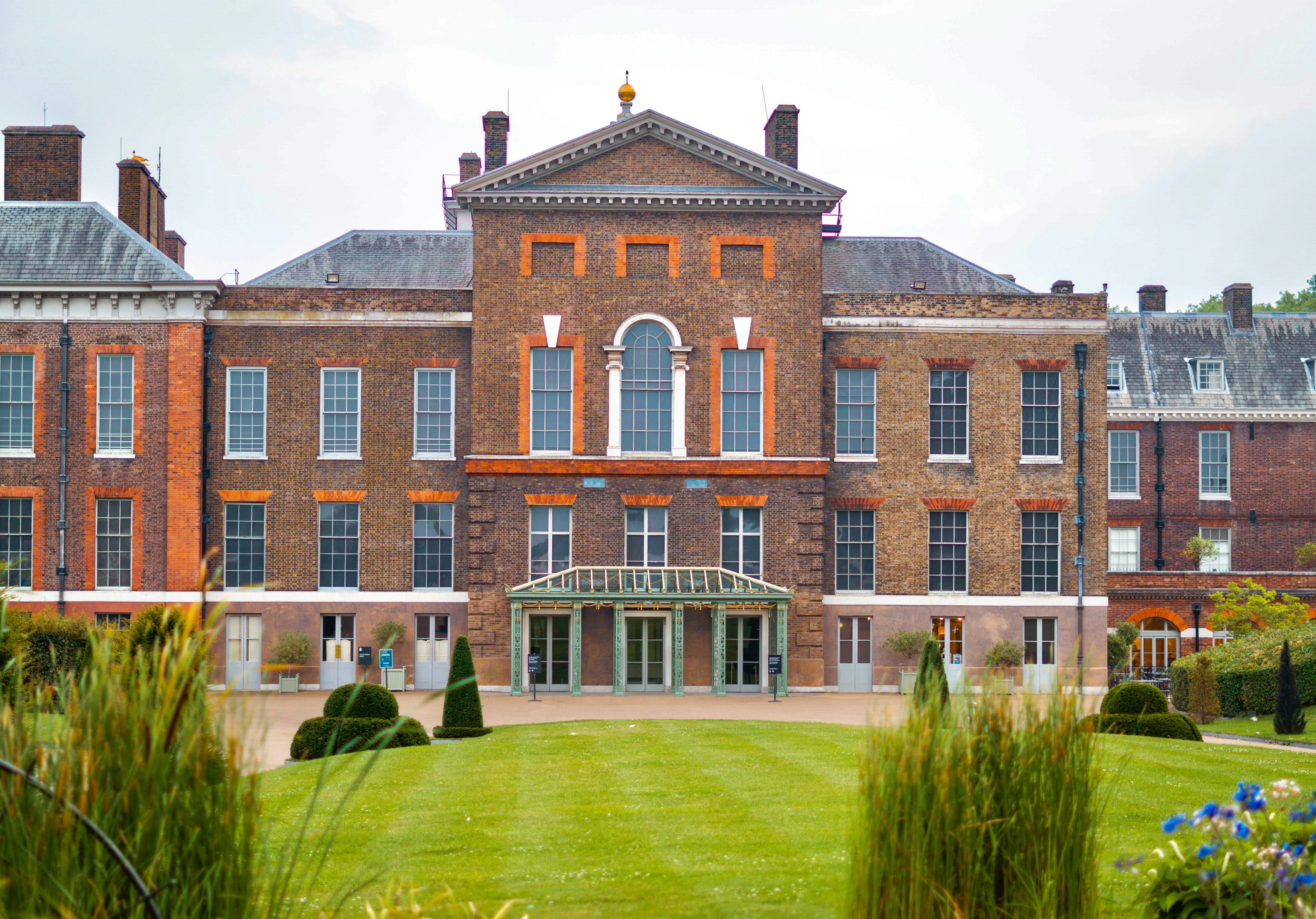
London • Kensington
Booking a timed entry slot online is strongly recommended. Same-day tickets depend on availability, and the gardens are free to visit.
Book 1-3 Days Ahead
Peak Season
No Booking Needed
Off Season
Back to London Attractions
NOTE: Kensington Palace is closed on Mondays and Tuesdays. The Queen’s State Apartments are closed until spring 2027 for major redevelopment work, and the King’s Gallery is closed from 18 November 2026 until spring 2027 for roof repairs.
How Far in Advance to Book Tickets for Kensington Palace in London
Updated October 2026
Kensington Palace has been at the heart of British royal life for over 300 years. Set within the leafy expanse of Kensington Gardens in west London, it is the birthplace of Queen Victoria, the former home of Princess Diana, and the current London residence of the Prince and Princess of Wales. Unlike Buckingham Palace, which remains largely closed to the public, Kensington Palace opens its historic State Apartments and gardens to visitors year-round, offering an unusually intimate window into royal history, from the grandeur of the King's and Queen's State Apartments to personal exhibitions on the people who have lived and shaped history here. It is one of London's most rewarding and distinctive royal attractions, and one that benefits greatly from a little advance planning.
At a Glance
How Early to Book:
Book a couple days ahead to guarantee entry at desired time-slot, especially on holidays and weekends.
At least 5 months in advance.
Best Times to Visit:
Weekday afternoons (Wednesday to Friday), between 1:00pm and 3:00pm, tend to be the quietest.
Ticket price:
£24.70 for adults in the 2026 main season; £13 to £19 over winter.
Where to Book:
Landmark Address:
Do You Need to Book Kensington Palace Tickets in Advance?
Yes, and this is one of the more important pieces of planning advice for this attraction. Kensington Palace operates a timed entry system, and tickets regularly sell out, particularly during the summer months, school holidays, and weekends. Turning up on the day without a pre-booked ticket is simply not a good idea.
Tickets are available on the Historic Royal Palaces website. Adult prices change through the year: £24.70 during the 2026 main season, dropping to between £13 and £19 over winter 2026 to 2027 while parts of the palace are closed. Children under 5 enter free, children aged 5 to 15 pay half the adult price, and seniors (65+), full-time students and disabled visitors pay a concession rate. A National Art Pass from Art Fund gives half-price entry while a temporary exhibition is running and free entry outside exhibition periods, and Historic Royal Palaces Members enter for free (membership also covers Hampton Court, the Tower of London, Banqueting House, and other properties, making it very good value for anyone planning multiple visits).
The London Pass also covers entry to Kensington Palace, though you will still need to book a timed slot in advance. The pass does not replace the requirement to reserve online. (You can read our blog post about city passes here)
Closures to be aware of: The Queen’s State Apartments have been closed since 15 June 2026 for major re-presentation and stay closed until spring 2027. The King’s Gallery is also closed from 18 November 2026 until spring 2027 for roof repairs. Both closures change the visitor route significantly, so check the Historic Royal Palaces website to see which parts of the palace are open on your date.
Opening Hours and Entry Information
Kensington Palace is open Wednesday to Sunday and closed on Mondays and Tuesdays. This is one of the most important things to know before planning your visit, as it catches many visitors off guard.
Hours vary by season:
Summer (1 March to 31 October): 10:00am to 6:00pm, last admission 5:00pm
Winter (1 November to 28 February): 10:00am to 4:00pm, last admission 3:00pm
The palace is also closed on 24, 25, and 26 December.
Note that the palace occasionally closes early for private events. The Historic Royal Palaces website lists any upcoming early closures in advance, and it is worth checking before your visit.
Kensington Gardens is free to walk around during normal park hours. The palace’s own gardens, including the Sunken Garden and the statue of Diana, Princess of Wales, are also free to visit without a palace ticket, with entry through the Sunken Garden Gate, but they keep shorter hours: 10:00am to 6:00pm (last entry 5:45pm) through the summer, and 10:00am to 4:00pm (last entry 3:45pm) in winter.

What is the Best Time to Visit Kensington Palace to Avoid Crowds?
Kensington Palace is popular throughout the year, but the busiest periods run from March to October and over Christmas. During these periods, booking well in advance is essential, not just recommended.
For the quietest visit inside the palace, aim for a weekday from Wednesday to Friday, and consider the early afternoon: the palace tends to be at its calmest between 1:00pm and 3:00pm. In winter, when last entry is 3:00pm, a 1:00pm slot still leaves plenty of time for the State Apartments.
Saturday and Sunday are the busiest days by a significant margin. If you must visit at a weekend, book as early as you can for the widest choice of time slots, and favour an early-afternoon slot over a late-morning one.
The gardens are at their most spectacular in late spring and early summer, when the Sunken Garden, planted in 1908 and redesigned as a tribute to Diana, Princess of Wales after her death, is in full bloom. The wildflower meadow is at its best during summer. Autumn brings its own rewards, with the wooded paths of Kensington Gardens turning colour and the crowds thinning considerably.
Winter visits are quieter and the opening hours shorter, but the palace interior is warm and the queues minimal. A crisp winter morning in Kensington Gardens, with the palace lit by low winter light, is a lovely experience.
What is the Best Way to Get to Kensington Palace?
The palace is located within Kensington Gardens in the Royal Borough of Kensington and Chelsea, and is well served by the London Underground.
By Tube: The two closest stations are High Street Kensington (Circle and District lines) and Queensway (Central line), each around a 10-minute walk from the palace entrance. From High Street Kensington, walk east along Kensington High Street and enter the gardens at King’s Arms Gate; from Queensway, cross Bayswater Road and enter at Black Lion Gate. Notting Hill Gate (Central, Circle, and District lines) is a 20 to 25-minute walk and provides an option if you want to approach through the northern part of the park.
By Bus: Routes 9, 49, 52, 70, and 452 stop at the Kensington Palace stop on Kensington High Street, around a 4-minute walk from the palace entrance. On the north side, routes 70, 94, and 148 stop on Bayswater Road by Queensway station, around 8 to 10 minutes away on foot.
On foot or by bike: The palace is walkable from Hyde Park Corner, South Kensington, and Notting Hill. A walk through Hyde Park and into Kensington Gardens is one of the most pleasant ways to approach it. Santander Cycles docking stations are located nearby, and there are bike racks on site next to The Orangery.
By car: Driving is not recommended. Parking in this area is very limited, and there is no on-site public car park. Accessible parking is available on site for disabled visitors but should be booked in advance.
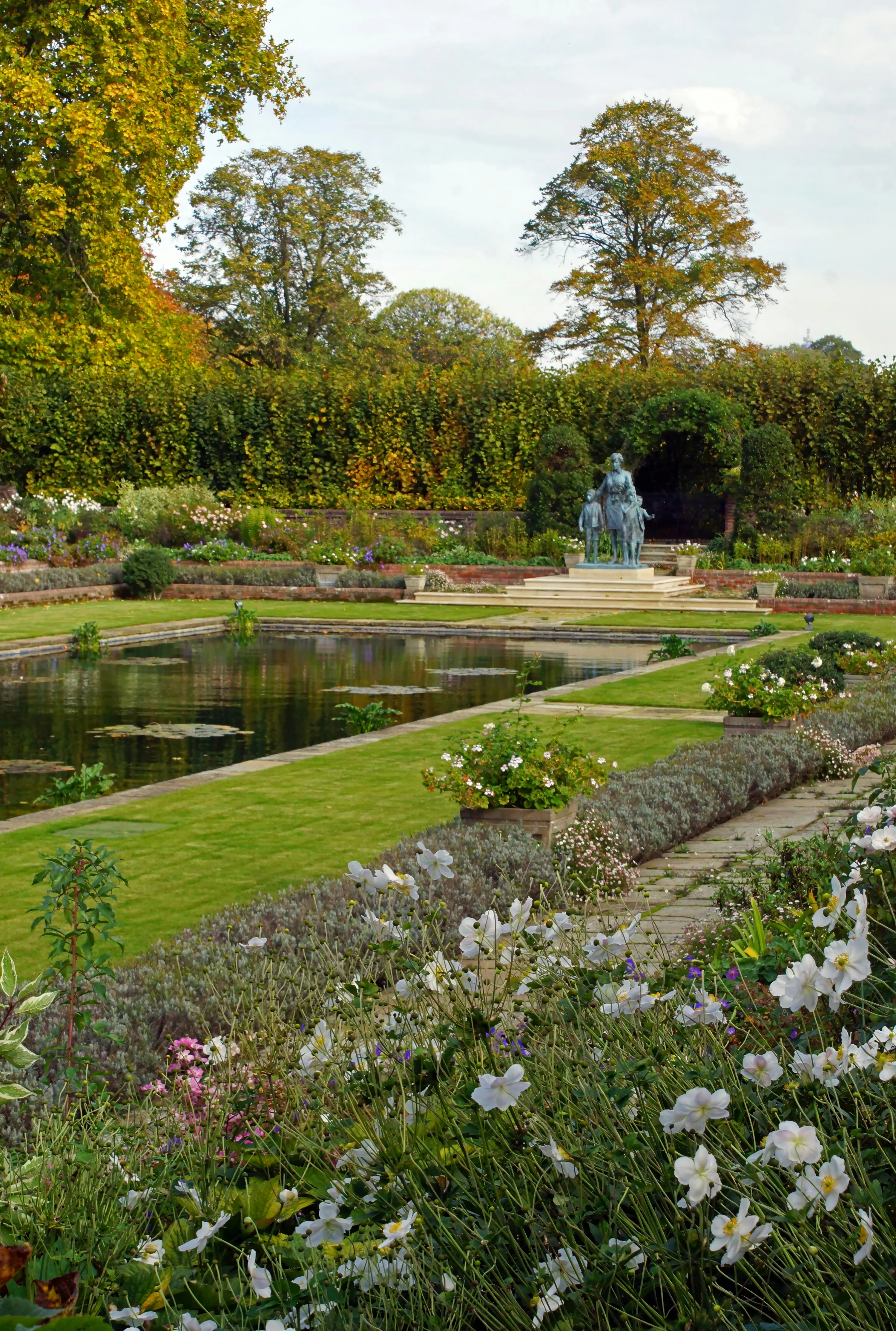
The Sunken Garden at Kensington Palace features a bronze statue of Princess Diana, commissioned by Prince William and Prince Harry, and was unveiled in 2021 to mark what would have been her 60th birthday.
Is Kensington Palace Worth Visiting?
For anyone with an interest in British royal history, absolutely yes. Kensington Palace occupies a uniquely intimate place in the royal story. It is not the ceremonial grandeur of Buckingham Palace, but something more personal and layered. The State Apartments are beautiful, particularly the King’s Gallery (the largest room in the palace, decorated almost exactly as George I left it in 1725) and the King’s Staircase, painted by William Kent in 1724 with a vivid trompe-l’oeil depiction of the Georgian court. Note that the King’s Gallery is closed from 18 November 2026 until spring 2027 for roof repairs, and the Queen’s State Apartments are closed until spring 2027.
The permanent Victoria: A Royal Childhood exhibition, set in the very rooms where Victoria was born and raised, is moving and remarkably well-curated. The personal objects on display, including her dolls, scrapbooks, and childhood correspondence, make the future queen feel extraordinarily real. The Jewel Room, displaying gems commissioned by Prince Albert for Queen Victoria, is a highlight for anyone interested in royal jewelry.
The gardens alone are worth the trip for many visitors, and accessing them is free. The Sunken Garden and the Diana memorial statue are among the most visited spots. Whether the palace itself justifies the ticket price will depend on your appetite for royal history. If that appeals to you, it is a deeply rewarding visit. If royalty is not your particular interest, the gardens offer a wonderful free alternative.
How Much Time Should I Spend at Kensington Palace?
The recommended visiting time is two to three hours for the palace interior, which is a realistic estimate for a thorough visit covering the State Apartments and current exhibitions. Those who want to linger over specific rooms or make use of the audio guide may want to allow a little more.
Factor in additional time if you plan to:
Walk through the Kensington Gardens and Sunken Garden (an extra 30 to 60 minutes)
Have lunch or afternoon tea at The Orangery (see below)
Visit the Albert Memorial, which is a short walk south of the palace
A well-planned half-day, arriving at opening, touring the palace, spending time in the gardens, and finishing with afternoon tea, is a deeply satisfying way to structure a visit.
Kensington Palace Guided Tours and Audio Guides
An audio guide is included free with every admission ticket and is one of the better palace audio guides available. Curated by historians, conservators, and curators, it covers the history of the rooms and the people who inhabited them with real depth. You can borrow a handset from the Hub next to the ticket scanning desk, or open the Historic Royal Palaces visitor guide on your own phone, which carries the same audio tours. If you use your own phone, bring headphones and a portable charger. Tours are available in English, French, German, Italian, Japanese, Mandarin, Portuguese, Spanish, and British Sign Language.
Free 15-minute talks led by the palace’s guide team run Wednesday to Sunday and are included in admission. These are particularly good for first-time visitors who want the context and storytelling that comes with a knowledgeable guide. Longer seasonal walking tours, such as Palace in the Park, need a separate ticket.
For a more exclusive experience, the palace occasionally offers Members-only evening tours of the State Apartments led by expert Host Guides, which is an atmospheric way to see the palace after regular closing time. Check the Historic Royal Palaces events page for availability.
Kensington Palace Temporary Exhibitions
Kensington Palace runs a changing programme of temporary exhibitions alongside its permanent displays, typically focused on royal figures connected to the palace. Exhibitions are included in standard palace admission.
The 2026 exhibition, The Last Princesses of Punjab (26 March to 8 November 2026), tells the story of Sophia Duleep Singh, Punjabi princess, suffragette icon, and goddaughter of Queen Victoria, and five women who shaped her remarkable life. Over the festive season, from 25 November 2026 to 3 January 2027, Victoria’s Countryside Christmas tells the story of the future Queen Victoria’s family Christmas at Claremont House in Surrey.
The permanent Victoria: A Royal Childhood exhibition continues to run as normal.
As noted above, the Queen’s State Apartments are closed until spring 2027 for major re-presentation, and the King’s Gallery is closed from 18 November 2026 until spring 2027 for roof repairs. Both are significant changes to the visitor route, so check what is open before booking your visit.
Where Should I Eat at and Near Kensington Palace?
The Orangery is the standout dining option and one of the most special places to eat in this part of London. Originally designed by Nicholas Hawksmoor in 1704 as a greenhouse for Queen Anne’s orange trees, it is a stunning light-filled space with Corinthian columns, tall windows, and views over the palace gardens. It serves breakfast, lunch, and (most famously) traditional afternoon tea, complete with finger sandwiches, orange-scented scones, and cakes inspired by the royal history of the building. Critically, you do not need a palace ticket to dine at The Orangery, as it is open to all visitors. Pre-booking is strongly recommended, particularly for afternoon tea at weekends. Reserve via the Historic Royal Palaces website. The Orangery is open daily from 10:00am, with last entry at 4:30pm, though it can close early for private events.
The Palace Café is a more casual option within the palace grounds, serving coffee, hot drinks, sandwiches, cakes, and ice cream. Like The Orangery, it is open to everyone, so you do not need a palace ticket to stop in, and it is ideal for a quick break without committing to a full meal.
For dining beyond the palace grounds, Kensington High Street has a wide range of cafés and restaurants within easy walking distance. The boutique streets of Notting Hill are around 15 minutes on foot to the north and have some excellent independent restaurants and cafés. The Milestone Hotel, directly opposite the palace on Kensington Court, serves a classic British afternoon tea in its Park Lounge, in a more formal hotel setting, if The Orangery is fully booked.
Accessibility at Kensington Palace
Kensington Palace is committed to providing an accessible experience, though some limitations are worth knowing about in advance.
The palace has step-free access to the ground floor, and lifts are available to most areas of the visitor route. However, the historic nature of the building means that some areas may present challenges. The Historic Royal Palaces website has a detailed accessibility guide, and the team can be contacted in advance to discuss specific requirements.
Accessible parking is available on site but must be booked at least seven days in advance. Manual wheelchairs are available to borrow free of charge on a first-come, first-served basis. Disabled adults pay the concession rate, and each disabled visitor can bring one carer or companion free of charge. A carer ticket can be reserved online with your own ticket and collected at the ticket office on arrival, with supporting documentation (such as a Blue Badge, Access Card, Freedom Pass, DLA or PIP letter).
Braille and large-print guides are available on request. The Orangery restaurant is fully accessible.
Rules, Bags, and Security
There are no left luggage or bag storage facilities at Kensington Palace. Suitcases, large bags, and any rolling luggage are not permitted inside the palace. If you are travelling with bulky luggage, plan accordingly. There are luggage storage options available at nearby Tube stations.
Photography for personal use is generally permitted throughout the palace, though specific areas or exhibitions may restrict it. Signage will indicate where photography is not allowed. Flash photography is not permitted.
Only assistance dogs are permitted inside the palace and in the formal gardens. Other dogs are welcome in Kensington Gardens.
What Else is There to Do Near Kensington Palace?
Kensington Palace sits within Kensington Gardens, which connects seamlessly with Hyde Park. Together they form one of the largest and most beautiful green spaces in central London, covering over 600 acres. The Serpentine and Long Water are lovely to walk around, and the Diana, Princess of Wales Memorial Fountain in Hyde Park is a short walk from the palace.
The Albert Memorial, on the southern edge of Kensington Gardens a short walk southeast of the palace, is one of the most elaborately decorated monuments in London and a remarkable piece of Victorian craft. The Royal Albert Hall stands directly opposite, across Kensington Gore, and frequently has concerts, exhibitions, and events worth checking for the evening of your visit.
The Serpentine Galleries, two contemporary art spaces in Kensington Gardens and Hyde Park, are free to enter and always worth a look, particularly for the Serpentine Pavilion commission each summer.
The Design Museum on Kensington High Street is a short walk away and houses changing exhibitions on contemporary design, architecture, and fashion. The V&A Museum is around 20 minutes on foot through the gardens via South Kensington, and the Natural History Museum and Science Museum are in the same neighbourhood, making a full cultural day very easy to arrange.
For shopping and browsing, Notting Hill and Portobello Road Market (at its best on Saturday mornings) are 15 minutes north, and Kensington High Street itself has a good mix of shops and restaurants.
Final Tips for Visiting Kensington Palace
Remember it is closed on Mondays and Tuesdays. This catches more visitors out than almost anything else. Double-check the day before you plan to visit.
Book your timed entry slot well in advance. Particularly in summer and at weekends, tickets sell out. Book as soon as your travel dates are confirmed via the Historic Royal Palaces website.
Check what will be open before you go. The Queen’s State Apartments are closed until spring 2027, and the King’s Gallery is closed from 18 November 2026 until spring 2027. It is worth understanding what is and is not accessible before you book, especially if there are specific rooms you particularly want to see.
Save the visitor guide to your phone. The audio guide is free with admission and significantly enriches the visit. You can borrow a handset at the palace, or open Historic Royal Palaces’ visitor guide on your own phone and save it to your home screen before you arrive; bring headphones and a portable charger if you go that route.
Book The Orangery if afternoon tea is on your agenda. It is one of the most atmospheric places in London for the experience, and walk-ins are not always available, especially at weekends. Reserve in advance and note that you do not need a palace ticket to dine there.
Combine with Kensington Gardens. The palace ticket gets you inside the historic rooms, but the gardens, including the Sunken Garden and the Diana memorial statue, are free and open to all. Arriving a little early to walk through the gardens before the palace opens is a lovely way to start the visit.
Consider a National Art Pass. Art Fund’s National Art Pass gives half-price entry to Kensington Palace while a temporary exhibition is running and free entry outside exhibition periods, and it pays for itself quickly if you are planning to visit multiple UK museums and galleries during your trip.
Back to London Attractions
Explore other London attractions
" width="24px"><path d="M 0 0 L 24 0 L 24 21.231 L 0 21.231 Z" fill="transparent" height="21.230768474975793px" id="nL2EwDcS9" width="24px"/><path d="M 0 0.541 C 0 0.242 0.245 0 0.547 0 L 2.735 0 C 3.037 0 3.282 0.242 3.282 0.541 L 3.282 4.598 C 3.282 4.897 3.037 5.139 2.735 5.139 L 0.547 5.139 C 0.245 5.139 0 4.897 0 4.598 Z" fill="rgb(196, 217, 201)" height="5.138657337892187px" id="hZ_rlBe_S" transform="translate(0 16.092)" width="3.2820512820512358px"/><path d="M 0 0.541 C 0 0.242 0.245 0 0.547 0 L 2.735 0 C 3.037 0 3.282 0.242 3.282 0.541 L 3.282 7.843 C 3.282 8.142 3.037 8.384 2.735 8.384 L 0.547 8.384 C 0.245 8.384 0 8.142 0 7.843 Z" fill="rgb(230, 211, 160)" height="8.38412513024521px" id="HgVBxIz3e" transform="translate(5.128 12.847)" width="3.282051282051235px"/><path d="M 0 0.541 C 0 0.242 0.245 0 0.547 0 L 2.735 0 C 3.037 0 3.282 0.242 3.282 0.541 L 3.282 12.982 C 3.282 13.281 3.037 13.523 2.735 13.523 L 0.547 13.523 C 0.245 13.523 0 13.281 0 12.982 Z" fill="rgb(232, 207, 164)" height="13.522782468137464px" id="utgrDnoM9" transform="translate(10.325 7.708)" width="3.282051282051377px"/><path d="M 0 0.541 C 0 0.242 0.245 0 0.547 0 L 2.735 0 C 3.037 0 3.282 0.242 3.282 0.541 L 3.282 16.498 C 3.282 16.797 3.037 17.039 2.735 17.039 L 0.547 17.039 C 0.245 17.039 0 16.797 0 16.498 Z" fill="rgb(233, 196, 166)" height="17.038705909853153px" id="OLOhW6STz" transform="translate(15.521 4.192)" width="3.2820512820512384px"/><path d="M 0 0.541 C 0 0.242 0.245 0 0.547 0 L 2.735 0 C 3.037 0 3.282 0.242 3.282 0.541 L 3.282 20.69 C 3.282 20.989 3.037 21.231 2.735 21.231 L 0.547 21.231 C 0.245 21.231 0 20.989 0 20.69 Z" fill="rgb(217, 170, 153)" height="21.230768474975793px" id="H5Z8wcwkd" transform="translate(20.718 0)" width="3.2820512820512278px"/></g></svg>)