Back to London Attractions
Pro tip: Tourists that wish to see the draw bridge platforms open up to let ships pass can find the schedule on the Tower Bridge website here.
How Far in Advance to Book a Tour of Tower Bridge in London
Updated August 2026
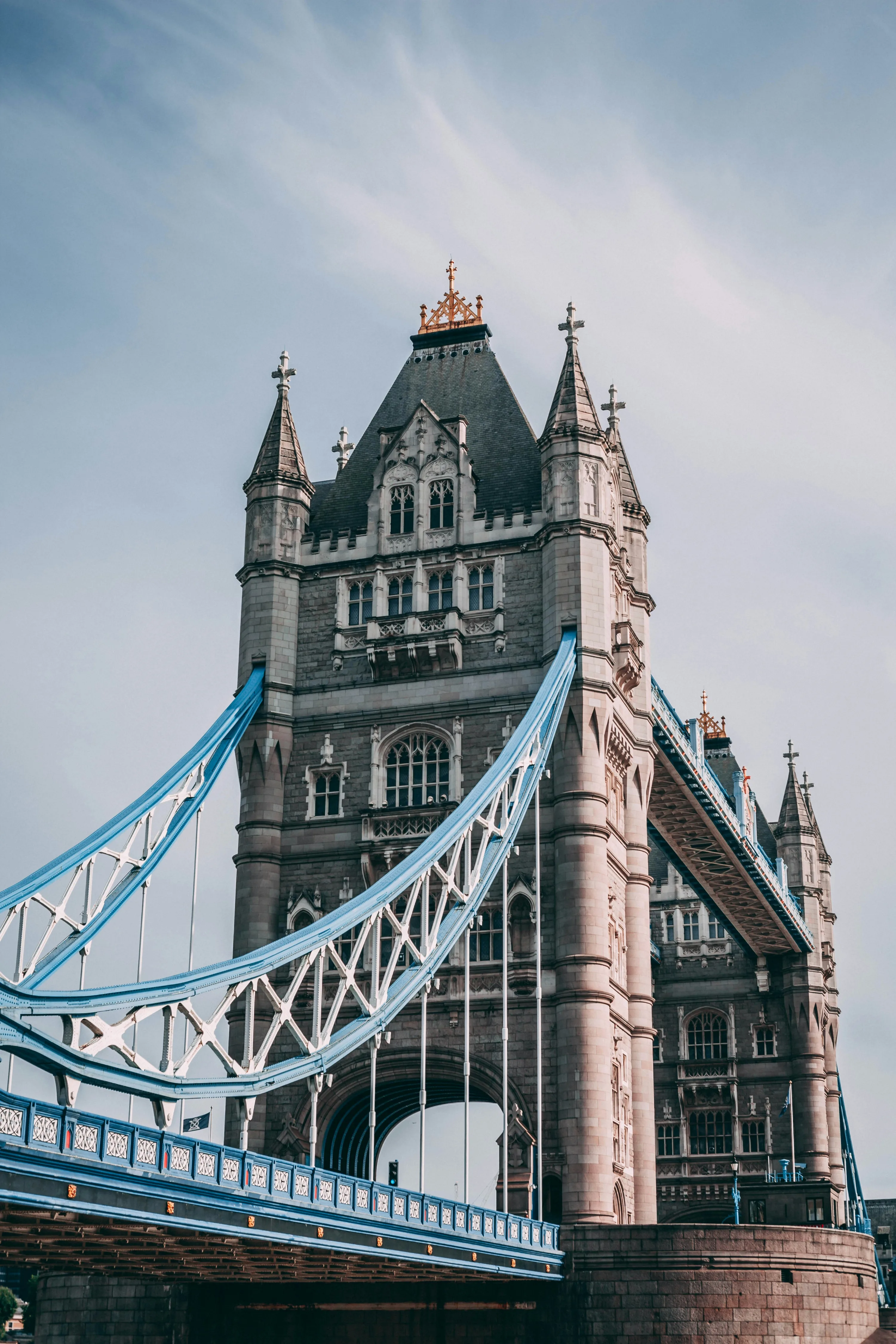
Tower Bridge is one of the most recognisable structures in the world, and for good reason. The Victorian Gothic towers have straddled the River Thames since 1894, and the bridge itself remains a working crossing used by thousands of vehicles and pedestrians every day. But beyond the iconic exterior, there is a full visitor experience inside: two high-level glass walkways, interactive exhibitions spread across the towers, and the preserved Victorian Engine Rooms where the original steam-powered lifting machinery still sits. Planning your visit carefully makes the difference between a rushed hour and a memorable afternoon on the Thames.
At a Glance
How Early to Book:
Book at least 2-3 weeks ahead for guided tours. It is recommended to pre-book self-guided tours as well, although these can be booked up to 1-2 days ahead.
About 2 months in advance.
Best Times to Visit:
Mornings and late afternoons are least crowded, especially on Monday, Tuesday, and Thursday.
Ticket price:
£15.80 for general entry, £35 for a guided tour.
Where to Book:
Bridge Address:
Do You Need to Book Tower Bridge Tickets in Advance?
Yes. Unlike many London attractions where walk-ups are possible in quieter periods, Tower Bridge strongly recommends advance booking for all visitors, and online booking is the only way to guarantee your preferred time slot.
Walk-ins are possible at the ticket office, which closes at 5:00pm (one hour before the last admission). In the low season between November and March, queues are often minimal and walk-in entry is quite straightforward. But from spring through summer, and during school holidays and bank holiday weekends, the bridge fills up fast and walk-in waits of 15 to 25 minutes or more are common.
Our recommendation: Book online in advance for any visit between April and October, and for any visit that falls on a weekend or UK bank holiday at any time of year. Tickets are available on the official Tower Bridge website, where you select a specific date and time slot.
Guided tours operate on weekends and require separate advance booking. If a weekend guided tour is your preference, book as far ahead as possible as these sell out regularly.
Money-saving options:
Tower Bridge is included in the London Pass and Go City passes, making it good value if you are visiting several major attractions during your trip.
A joint ticket with The Monument is available at a reduced rate.
Prices and pass inclusions do change, so always check the official website for the most current rates before booking.
Tower Bridge Opening Hours and Entry Information
Open daily: 9:30am to 6:00pm
Last entry: 5:00pm (ticket office also closes at 5:00pm)
Closed: 24, 25 and 26 December (Christmas Eve, Christmas Day, Boxing Day)
New Year's Day: opens at 10:00am
Relaxed Opening sessions run on the second Saturday of each month, from 9:30am to 11:30am. These low-capacity, low-sensory sessions are designed for neurodivergent visitors, including those with autism, anxiety, or sensory processing differences. Entry during this window is reserved exclusively for Relaxed Opening ticket holders; regular public access resumes at 11:30am, though Relaxed Opening visitors are welcome to remain as long as they wish.
The ticket office and entrance are located on the northwest side of the bridge, on the west face of the North Tower. All visitors queue here on arrival, even with a pre-booked ticket, so arriving a few minutes early is wise.
What is the Best Way to Get to Tower Bridge?
Tower Bridge is extremely well connected across central London.
By Tube: Tower Hill (District and Circle lines) is the most convenient stop, just a seven-minute walk from the bridge entrance. London Bridge (Northern and Jubilee lines) is approximately a ten-to-fifteen minute walk across the bridge, and is useful if you are arriving from south London or want to approach along the South Bank.
By DLR: Tower Gateway station is close to Tower Hill and a similarly short walk to the bridge.
By train: London Bridge National Rail station is well served from across the south of England and is a short walk away.
By riverboat: Thames Clipper services stop at Tower Pier on the north bank and London Bridge City Pier on the south. Arriving by river gives a spectacular approach to the bridge and is well worth considering if you are coming from Westminster, the South Bank, or Canary Wharf.
On foot: Tower Bridge is around a 20-minute walk from Borough Market, 15 minutes from Bermondsey Street, and a pleasant 30-minute riverside walk from the Tate Modern along the South Bank.
By bike: Santander Cycle docking stations are located on Tooley Street, Tanner Street, Curlew Street, and St Katharine's Way, all within a few minutes of the bridge. Lime and Forest dockless bikes are also available in the area.
Driving is not recommended. Central London parking is limited and costly, and the bridge is easily reached by multiple public transport options.
How Much Time Should I Spend at Tower Bridge?
A self-guided visit through the North Tower, the high-level glass walkways, and the Victorian Engine Rooms typically takes 60 to 90 minutes. Visitors who like to linger, take photos, or read the exhibition panels in detail should allow the full 90 minutes comfortably.
If you are joining a guided tour, allow 90 minutes to 2 hours for the full experience.
Bear in mind that the last entry is at 5:00pm, and the bridge closes at 6:00pm, so plan your arrival time accordingly to avoid feeling rushed.
If you are combining Tower Bridge with the nearby Tower of London (which can easily fill a half day on its own), plan for a full day in this part of the city.
What is the Best Time to Visit Tower Bridge?
Best days: Monday, Tuesday, and Thursday see the lightest visitor numbers and offer the most space on the glass walkway. Saturday and Sunday, particularly between 11:00am and 3:00pm, are the busiest periods of the week.
Best time of day: Arriving when the bridge opens at 9:30am, or visiting after 3:30pm, gives you the shortest queues and the most breathing room on the walkways.
Best season: November through March (outside the Christmas period) is the quietest time of year. Spring (April and May) and autumn (September and October) offer a good balance between pleasant weather and manageable crowds. Summer, particularly July and August, is the peak season and advance booking becomes especially important.
Bank holidays and school holidays significantly increase visitor numbers at any time of year. Check the UK school holiday calendar when planning.

In 1952, driver Albert Gunter made headlines by jumping his double-decker bus across the rising bridge to save passengers from a potential crash. He managed to clear the gap and land on the north bascule which had not yet started to rise.
What is Inside Tower Bridge?
The Tower Bridge Exhibition covers three distinct areas, all included in the standard ticket price.
The Tower Exhibitions: Inside the North Tower, you will find modern, well-presented displays covering the history and construction of the bridge, from its design by engineer Sir John Wolfe Barry and architect Sir Horace Jones, to its opening by the Prince of Wales in 1894. Films, photographs, and interactive elements bring the story to life.
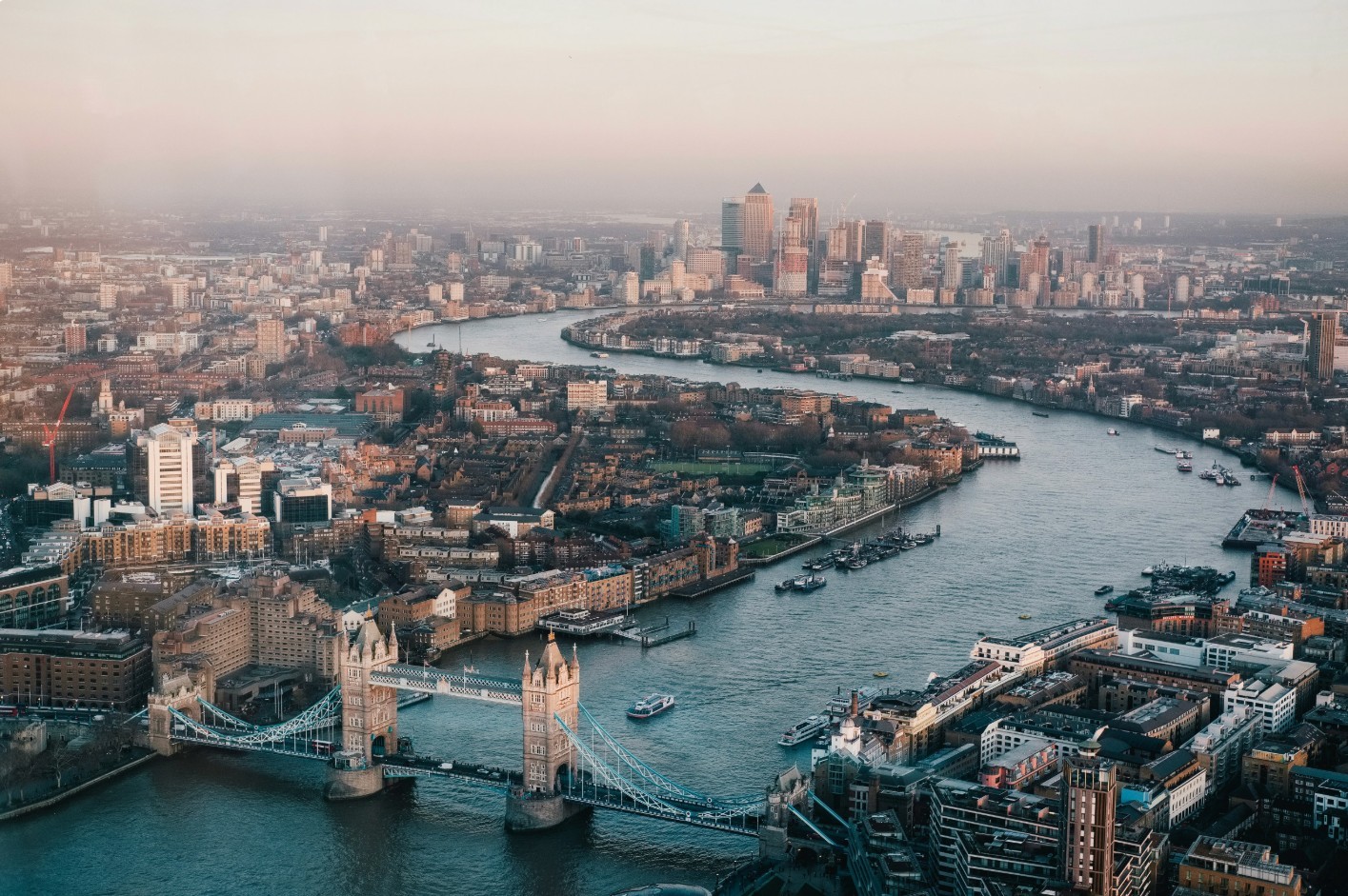
The High-Level Glass Walkways: This is the centrepiece of the visit for most people. The enclosed walkways run 42 metres above the Thames and connect the North and South Towers. A glass floor section along the walkway lets you look directly down at the road, river traffic, and pedestrians below. The East Walkway also houses a "Great Bridges of the World" exhibition. The views of St Paul's Cathedral, the Tower of London, HMS Belfast, The Shard, and Canary Wharf from up here are exceptional.
The Victorian Engine Rooms: Located at river level on the south bank, these are reached separately at the end of your visit (retain your entry ticket). The original coal-powered steam engines that once lifted the bascules are beautifully preserved. A multi-sensory exhibition conveys the sights, sounds, and smells of the engine room in its working days.
Bridge Lifts: The bascule roadway lifts around 850 times per year to allow large vessels to pass through. Witnessing a lift from inside the glass walkways is a memorable experience. The schedule is published on the official Tower Bridge website up to 48 hours in advance, and it is worth checking before your visit if this is a priority for you. Seeing a lift is not guaranteed with your ticket.
Guided Tours and Audio Guides
Weekend guided tours run on Saturdays and Sundays and last approximately 90 minutes. Led by expert guides who are often senior bridge technicians, these tours take in the towers, engine rooms, and other areas not always accessible on a standard self-guided visit, including explanations of the bascule mechanism and the bridge's ongoing maintenance. Prices start at around £35 per adult. Book in advance via the official website as these sell out.
The Smartify audio guide is free and included with your ticket. Download the Smartify app before you visit and access expert commentary, archival photographs, and exclusive imagery as you move through the bridge. Available in English, French, German, Italian, Spanish, and Mandarin. QR codes are also posted throughout the attraction to access the same content.
The Tower Bridge Family Trail is a free interactive activity designed for children, based on the award-winning book "The Tower Bridge Cat." Download the trail in advance or pick up a copy at the ticket office. Available from February through December.
Is Tower Bridge Worth Visiting?
Yes, and it often surprises visitors. Many people assume the experience is just about the view from the walkways, and while those views are impressive, the exhibition and the engine rooms add real depth. The Victorian engineering on display in the engine rooms is remarkable, and the quality of the permanent displays inside the towers has improved significantly in recent years.
It is also worth noting that simply walking across Tower Bridge is free. If your budget is tight or your time limited, doing so gives you the exterior experience, the Thames panorama, and the iconic views of the towers from a pedestrian's perspective without spending anything at all. But the internal experience is worth the ticket price if you have the time.
Where Should I Eat Near Tower Bridge?
The area around Tower Bridge has a surprisingly good dining scene, particularly along the south bank at Butler's Wharf and Shad Thames, where former Victorian warehouses have been converted into atmospheric restaurant spaces.
On the South Bank (Butler's Wharf and Shad Thames):
Butlers Wharf Chop House is one of the best restaurants in the area, sitting right on the riverside with terrace views of Tower Bridge. The focus is on classic British produce, particularly grass-fed steaks, London Oak smoked salmon, and a well-regarded Sunday roast. Advance booking recommended.
Le Pont de la Tour is a long-standing French brasserie on the Butler's Wharf waterfront, with more than 30 years of service in this spot. It is a more formal and expensive option, but the riverside terrace with Tower Bridge directly in view is hard to beat for a special meal.
Tavolino sits at More London Riverside on the south bank, with unobstructed Thames views and a menu centred on Italian food, including handmade pasta and a well-regarded tiramisu.
On the North Bank (St Katharine Docks):
Coppa Club sits right on the river at Three Quays Walk, with a 250-cover restaurant, terrace, and the famous igloo dining pods in winter. The food is relaxed and crowd-pleasing (sourdough pizzas, pasta, classic desserts), and the Tower Bridge views from the outdoor seating are excellent.
Emilia's Crafted Pasta at St Katharine Docks is a popular, more casual option for fresh pasta in a waterside setting.
The Dickens Inn at St Katharine Docks is a three-storey converted Victorian warehouse with beer gardens overlooking the marina. A solid pub lunch option with a historic feel.
For a splurge: Restaurant Story on Tooley Street (a short walk away) holds two Michelin stars and is one of the most celebrated restaurant experiences in this part of London. Tom Sellers' tasting menus are creative and deeply personal. Book well in advance.
As with any major tourist area, avoid restaurants on the main pedestrian tourist strip with laminated photo menus. Heading into the Shad Thames warehouse lanes or slightly further into Bermondsey Street (ten minutes' walk south) opens up a much broader and better-value set of options.
What Else is There to Do Near Tower Bridge?
The Tower Bridge area is one of the most historically dense parts of London, with several major attractions within easy walking distance.
The Tower of London is directly adjacent to the north end of Tower Bridge and is one of the most visited historic sites in the country. Home to the Crown Jewels, the White Tower, the Yeoman Warder tours, and over 900 years of history, it warrants a half day on its own. Advance booking is strongly recommended, particularly during peak season, and tickets can be booked on the Historic Royal Palaces website. A joint ticket with Tower Bridge is not available, but a joint ticket with the River Thames cruise from Tower Bridge Quay is.
HMS Belfast is moored on the South Bank a short walk from Tower Bridge. The Second World War Royal Navy cruiser is now a museum ship operated by the Imperial War Museum. Tickets can be booked online in advance.
Borough Market, one of London's oldest and most celebrated food markets, is around a 15-minute walk along the South Bank. It is open Monday through Saturday and is worth building into your day if you want to graze your way through some of London's best artisan food producers.
The Monument stands just north of the bridge on the north bank and marks the spot closest to where the Great Fire of London started in 1666. The 311-step climb to the top is one of London's best-value viewpoints. A joint ticket with Tower Bridge is available.
Shad Thames and Butler's Wharf themselves are worth exploring on foot. The Victorian warehouse district immediately south of the bridge, with its iron walkways overhead connecting the old warehouses, is one of the most atmospheric and photogenic streets in London.
The South Bank walk west toward Tate Modern, Shakespeare's Globe, and the Millennium Bridge is one of London's great free walks. From Tower Bridge, the entire route to Waterloo takes around 40 minutes on foot and passes some of the city's best public spaces and views.
Rules, Bags, and Security
All visitors pass through a security check on arrival. Arriving a few minutes before your time slot is recommended to account for this.
Bag policy: Shoulder bags and backpacks are permitted with maximum dimensions of 45 x 35 x 20 cm. Suitcases, wheeled luggage, and oversized bags are not allowed inside the bridge. There is no left luggage facility on site, so plan accordingly.
Photography: Personal photography is welcome throughout the exhibition, including on the glass walkways. Commercial filming requires advance permission from the Tower Bridge team.
Children: Children under 16 must be accompanied by an adult. Children under 5 enter free. Note that children must be at least 1.2 metres tall to access the high-level glass walkways.
Pets: Well-behaved dogs are welcome and must be kept on a lead and supervised at all times. Assistance dogs are permitted at all times, and Tower Bridge may limit the number of dogs allowed in during busy periods.
Mobility and lifts: Lifts are available in both the North and South Towers and serve the high-level walkways. An external lift also serves the Engine Rooms entrance. The bridge is broadly wheelchair accessible. Large-print and Braille booklets are available to borrow from the ticket office.
Accessibility at Tower Bridge
Tower Bridge has invested significantly in making the full visitor experience accessible. Lifts in both towers serve the high-level walkways, and an external lift provides step-free access to the Victorian Engine Rooms. Accessible toilets and baby changing facilities are located in the South Tower and the Engine Rooms.
Wheelchairs are available to borrow from the ticket office. Large-print and Braille booklets are available on request. The Relaxed Opening sessions on the second Saturday of each month (9:30am to 11:30am) offer a low-capacity, low-sensory environment for visitors with autism, anxiety, or sensory processing needs.
Carers accompanying a disabled visitor receive complimentary entry upon presentation of supporting documents such as a Blue Badge, Freedom Pass, DLA letter, or PIP letter.
Final Tips for Visiting Tower Bridge
Check the bridge lift schedule on the official website before your visit if watching the bascules rise is a priority. The schedule is published up to 48 hours in advance.
Book your time slot online in advance, especially between April and October and on any weekend or bank holiday. This is the single most important step for a smooth visit.
Download the Smartify app before you arrive to have the free audio guide ready to go from the moment you step inside.
Keep your entry ticket when you leave the tower exhibitions. You will need it to gain admission to the Victorian Engine Rooms at the end of your visit.
Arrive a few minutes early to allow time for the security check, even with a pre-booked ticket.
Walking across the bridge is free. If you only want the exterior experience and the views from the roadway, no ticket is required.
Combine with the Tower of London for a full historic day out. Both attractions are adjacent, and together they cover a remarkable sweep of London history.
Avoid the midday window (11:00am to 3:00pm) on weekends if possible. Early morning or late afternoon visits are significantly less crowded.
The London Pass includes Tower Bridge entry and can offer excellent value if you are visiting multiple major attractions during your trip.
Back to London Attractions
Explore other London attractions
" width="24px"><path d="M 0 0 L 24 0 L 24 21.231 L 0 21.231 Z" fill="transparent" height="21.230768474975793px" id="nL2EwDcS9" width="24px"/><path d="M 0 0.541 C 0 0.242 0.245 0 0.547 0 L 2.735 0 C 3.037 0 3.282 0.242 3.282 0.541 L 3.282 4.598 C 3.282 4.897 3.037 5.139 2.735 5.139 L 0.547 5.139 C 0.245 5.139 0 4.897 0 4.598 Z" fill="rgb(196, 217, 201)" height="5.138657337892187px" id="hZ_rlBe_S" transform="translate(0 16.092)" width="3.2820512820512358px"/><path d="M 0 0.541 C 0 0.242 0.245 0 0.547 0 L 2.735 0 C 3.037 0 3.282 0.242 3.282 0.541 L 3.282 7.843 C 3.282 8.142 3.037 8.384 2.735 8.384 L 0.547 8.384 C 0.245 8.384 0 8.142 0 7.843 Z" fill="rgb(230, 211, 160)" height="8.38412513024521px" id="HgVBxIz3e" transform="translate(5.128 12.847)" width="3.282051282051235px"/><path d="M 0 0.541 C 0 0.242 0.245 0 0.547 0 L 2.735 0 C 3.037 0 3.282 0.242 3.282 0.541 L 3.282 12.982 C 3.282 13.281 3.037 13.523 2.735 13.523 L 0.547 13.523 C 0.245 13.523 0 13.281 0 12.982 Z" fill="rgb(232, 207, 164)" height="13.522782468137464px" id="utgrDnoM9" transform="translate(10.325 7.708)" width="3.282051282051377px"/><path d="M 0 0.541 C 0 0.242 0.245 0 0.547 0 L 2.735 0 C 3.037 0 3.282 0.242 3.282 0.541 L 3.282 16.498 C 3.282 16.797 3.037 17.039 2.735 17.039 L 0.547 17.039 C 0.245 17.039 0 16.797 0 16.498 Z" fill="rgb(233, 196, 166)" height="17.038705909853153px" id="OLOhW6STz" transform="translate(15.521 4.192)" width="3.2820512820512384px"/><path d="M 0 0.541 C 0 0.242 0.245 0 0.547 0 L 2.735 0 C 3.037 0 3.282 0.242 3.282 0.541 L 3.282 20.69 C 3.282 20.989 3.037 21.231 2.735 21.231 L 0.547 21.231 C 0.245 21.231 0 20.989 0 20.69 Z" fill="rgb(217, 170, 153)" height="21.230768474975793px" id="H5Z8wcwkd" transform="translate(20.718 0)" width="3.2820512820512278px"/></g></svg>)