New York City • Bronx Park
Currently required to purchase a timed-entry ticket online in advance; the ticket office does not any tickets. Most time slots remain available up until a few days before the date of visit.
Book 1-3 Days Ahead
Peak and Off-Season
Back to New York City Attractions
Bronx Zoo New York: Everything You Need to Know Before You Visit
Updated August 2026
The Bronx Zoo is the largest metropolitan zoo in the United States, spreading 265 acres of hardwood forest, river gorge and open habitat across Bronx Park, with more than 10,000 animals and a conservation programme that has been running since it opened in 1899. It is also the only major New York attraction where the ticket you buy changes what you are allowed to see, because several of the best exhibits sit behind a second layer of admission that not every ticket covers. Working out which ticket you need, and whether to go on a Wednesday, is the single most valuable bit of planning you can do before you visit.
At a Glance
How Early to Book:
Book an online ticket the day before. Same-day tickets are not sold at the on-site ticket office. For free Wednesdays, book your ticket when they are released the preceding Monday at 5pm ET.
Best Times to Visit:
Right at opening at 10am. Not only will the crowds be smaller, but the animals tend to be more active earlier in the day.
Ticket price:
Starting at $38.20 per adult, depending on the date.
Where to Book:
Attraction Address:
Do You Need to Book Bronx Zoo Tickets in Advance?
Advance booking is mandatory for the Bronx Zoo, not recommended. Tickets cannot be bought at the gate. You want to understand this because the zoo sits in a part of the Bronx that is fairly distant from Manhattan, and you don't want to show up only to find that you won't be able to get a ticket.
Where to book: bronxzoo.com is the only place you need. You select a date and an arrival time window during checkout. That window governs when you can arrive, not how long you can stay.
The two ticket types matter more than the price:
Bronx Zoo Admission is the full ticket. It covers park entry plus unlimited access to every Star Attraction open on your day. Year-round Star Attractions are Congo Gorilla Forest, JungleWorld, Nature Trek and the Bug Carousel. Seasonal ones are the Wild Asia Monorail, Butterfly Garden, Children's Zoo and Zoo Shuttle.
Limited Admission is the cheaper ticket. It gets you into the park and the general exhibits, but every Star Attraction then costs $7 per person, per attraction, paid on site. If you plan to do three or more, the full ticket already costs less.
Prices run on flex pricing, which means the Bronx Zoo Admission ticket moves with demand rather than sitting at a fixed rate. Starting prices are:
Adult, 13 and over: from $38.20
Senior, 65 and over: from $33.20
Child, 3 to 12: from $28.20
Child, 2 and under: free, no ticket needed
Prices rise as the date approaches and as demand builds, and they never fall once you have purchased. Buying several weeks out on a midweek date in the shoulder season is where you'll find real savings. Limited Admission is not subject to flex pricing and stays at a fixed rate.
City pass coverage: the Bronx Zoo is not included in the New York CityPASS. It has appeared in the line-ups for The Sightseeing Pass and some Go City products, but pass coverage for this attraction has been inconsistent from year to year. If you are relying on a pass, confirm the zoo is on your specific pass's current attraction list before you travel, and check how the pass operator handles the zoo's mandatory advance reservation, because a pass alone does not replace a timed ticket.
Refunds: there are none. All sales are final, with no refunds, exchanges, cancellations or rescheduling, and tickets are rain or shine with no rain checks. The zoo will not refund because an exhibit was closed or an animal was off view either. Choose your date carefully.
Re-entry: all tickets are single entry. Once you leave the park, that is the end of your visit, which matters if you were thinking of walking out to Arthur Avenue for lunch and coming back.
How far in advance: for a summer weekend or any date during Boo at the Zoo or Holiday Lights, book two to three weeks out. For a weekday outside July and August, a few days is fine, though you will pay more the later you leave it.
Is the Bronx Zoo Free on Wednesday?
Yes, the Bronx Zoo technically is free on Wednesdsays, with a few caveats.
Limited Admission is free all day, every Wednesday, year-round. That gets you into the park and all the general exhibits at no cost. It does not include the Star Attractions, so Congo Gorilla Forest, JungleWorld, Nature Trek, the Bug Carousel and the seasonal attractions each cost $7 per person on the day.
Advance tickets are required and they are not released with the ordinary tickets. The Wednesday ticket store opens at 5pm on the Monday before that Wednesday, with a maximum of four tickets per order. There is no walk-up option. If you turn up on a Wednesday without a reservation, you will not get in.
There is also a discounted Wednesday Admission ticket that works like the full Bronx Zoo Admission and includes unlimited Star Attractions on that day. It is not free, but it is priced well below the standard rate and it is the option I would take if you want the gorillas and the monorail without paying peak pricing. It goes on sale at the same Monday 5pm release.
Here's the trade-off: Wednesdays in July and August are the busiest days at the zoo. Free tickets go quickly, the park fills up, queues form at the Star Attractions, and the experience is noticeably more crowded than a paid weekday. The 10am slots go first and are the least crowded once you are inside. In November through March, a free Wednesday is a completely different proposition, with thin crowds and animals that are often more active in the cold.
One thing to know if you are combining: the New York Botanical Garden, directly across Southern Boulevard, also runs a Wednesday deal, with free Grounds Admission for NYC residents all day and for everyone else between 10 and 11am. Two Wednesday freebies within walking distance of each other is the best-value day out in the Bronx.
Bronx Zoo Discount Tickets and Deals
Beyond Wednesdays, the zoo runs a specific and fairly narrow set of discounts. Several widely assumed ones do not exist here.
Active US military and veterans: free Bronx Zoo Admission or Limited Admission for the service member or veteran, plus 50% off for up to three guests. Booked in advance with a promotional code at checkout, with valid ID shown at entry and the group arriving together. Separate codes apply for dependants.
NYC undergraduate students: free Limited Admission, redeemed walk-up at the gate with a valid college ID from an institution in the five boroughs, or a non-NYC college ID plus proof of NYC residency. No advance reservation needed for this one. Not valid for Holiday Lights.
Museum Council passholders: two complimentary Limited Admission tickets, walk-up at the gate with the pass card. Not valid for Holiday Lights.
Groups of 10 or more: discounted rates through the zoo's group sales team. NYC school and camp groups of 10 or more with a 1:10 chaperone ratio get free Limited Admission Monday to Friday with advance booking. Non-NYC school and camp groups pay $15 per person for full admission or $10 for Limited.
Metro-North Getaway package: combines discounted round-trip rail fare from Grand Central with discounted zoo admission. Note that the rail package voucher still has to be converted into a timed entry ticket by calling the reservation centre before you arrive.
Membership: WCS membership covers a year of admission across the Bronx Zoo, Central Park Zoo, Queens Zoo, Prospect Park Zoo and the New York Aquarium, and it pays for itself in roughly one family visit. Since March 2026 members no longer need a reservation for regular daytime admission, which is a real convenience advantage. You can also apply the cost of a same-visit day ticket toward a membership within 30 days.
What does not get a discount: there is no SNAP/EBT discount at the Bronx Zoo, unlike many New York cultural institutions, and the Cool Culture Family Pass is not accepted here, though it is accepted at the Central Park, Prospect Park and Queens zoos. The zoo also does not honour reciprocal memberships from other zoos.
On third-party discount sites: deal listings for the Bronx Zoo turn up constantly on coupon aggregators, and most either resell the standard ticket at no saving or point at expired promotions. Since the zoo's own flex pricing rewards booking early, buying direct and early beats hunting for a code.
Bronx Zoo Opening Hours and Entry Information
The zoo opens at 10am every day it is open, year-round. Closing times shift with the season.
Summer season, roughly early April to 31 October: Monday to Friday 10am to 5pm, weekends and federal holidays 10am to 5:30pm.
Winter season, roughly 1 November to late March: daily 10am to 4:30pm.
Last entry is 45 minutes before the park closes. Animal exhibits close 30 minutes before park closing, and exhibit queues can shut earlier still if the wait exceeds half an hour. The Bug Carousel and Nature Trek stay open until park closing.
Closed days: Thanksgiving Day, Christmas Day, New Year's Day and Martin Luther King Jr. Day. The zoo is open every other day of the year, including through winter.
Seasonal closures within the park: the Butterfly Garden, Children's Zoo, Wild Asia Monorail, Zoo Shuttle and Budgie Landing all shut for the winter, generally November to March. This is the main reason a winter visit feels smaller, and it is worth factoring in before paying full price for a January ticket, since the Bronx Zoo Admission ticket's value rests largely on the Star Attractions.
On Holiday Lights nights the daytime schedule changes substantially: daytime hours run 10am to 4:30pm, the last daytime ticket is sold at 12pm, the last daytime entry is 1pm, and daytime visitors must be out by 4:30pm.
Address: Bronx Zoo, 2300 Southern Boulevard, Bronx, NY 10460.
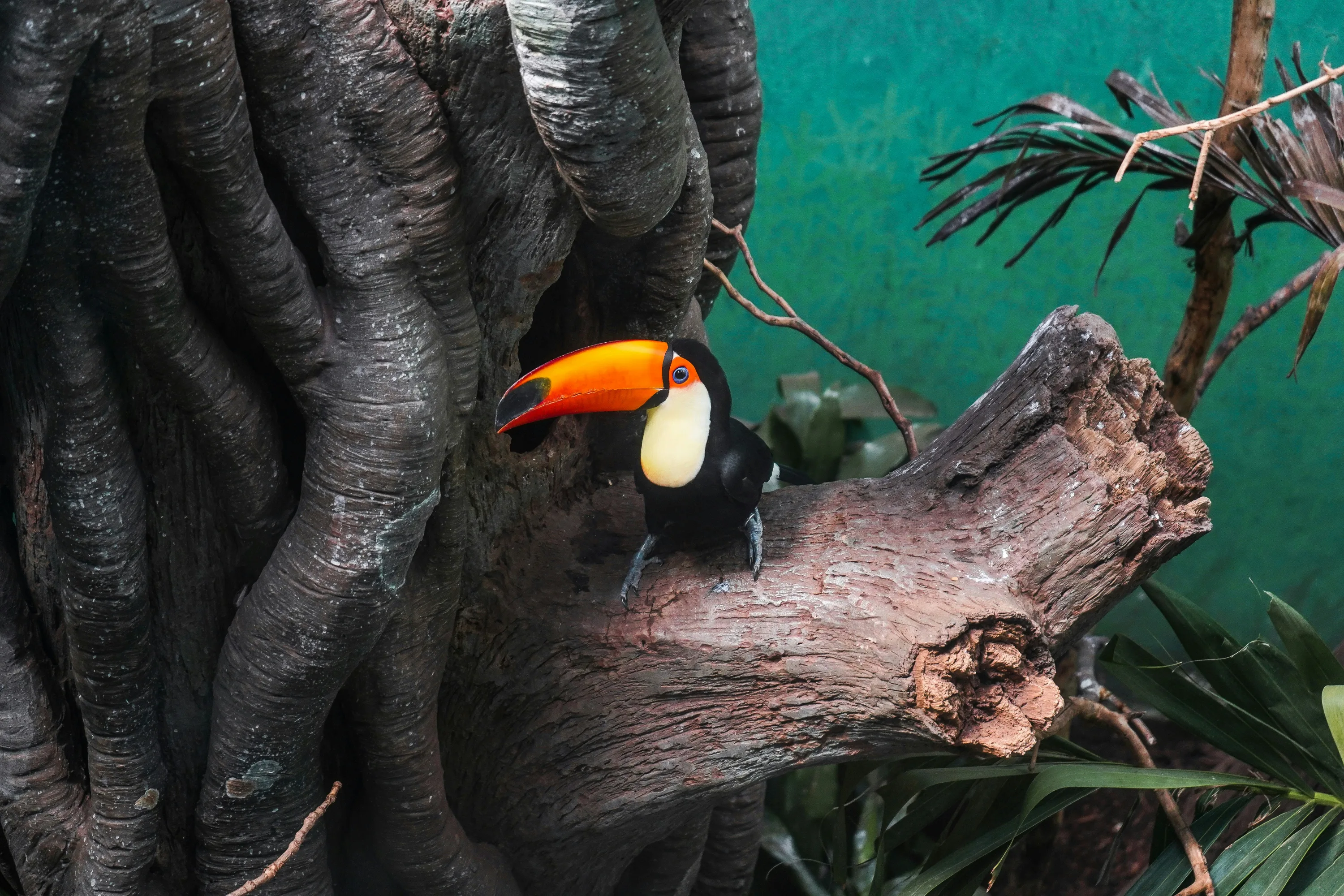
The World of Birds exhibit at the Bronx Zoo covers over 30,000 square feet of habitats, and is home to birds from around the world.
What is the Best Way to Get to the Bronx Zoo?
The zoo has three gates, but some are worse than others. Southern Boulevard Gate (pedestrian entry at Southern Blvd and 185th Street, vehicle entry at 183rd Street) is the closest to the centre of the park and has the gentlest gradients. Bronx River Gate takes vehicles off Exit 6 of the Bronx River Parkway and is where the express bus arrives. Asia Gate is pedestrian-only at Boston Road and Bronx Park South.
Express bus from Manhattan: the BxM11 is the easiest option and the one the zoo itself recommends for visitors. It picks up along Madison Avenue between 26th and 99th Streets and runs directly to the Bronx River Gate. The fare is $6.75 each way. For the return, the stop is just outside the same gate at the BxM11 sign, before the underpass.
Subway: the 2 or 5 to West Farms Square–East Tremont Avenue puts you a few blocks from the Asia Gate, walking north up Boston Road. For a step-free route, take the 2 to Pelham Parkway, which has elevators to street level, then walk west to the Bronx River Gate.
Local buses: the Bx9 or Bx19 stop at 183rd Street and Southern Boulevard, right at the Southern Boulevard pedestrian gate. The Bx12 or Bx22 stop at Fordham Road and Southern Boulevard, leaving a five-block walk south. From Queens, the Q44 to 180th Street and Boston Road leaves a one-block walk to the Asia Gate.
Metro-North: the Harlem line from Grand Central to Fordham, then the Bx9 bus eastward to 183rd Street and Southern Boulevard. Around 20 minutes on the train, and the most comfortable way to travel if you are travelling with small children.
Driving and parking: all-day parking is $22 for cars and $24 for buses, with weekend Preferred Parking at Fountain Circle at $30. There are EV charging stations in the Southern Boulevard lot. Lots fill to capacity on peak days and cars can be redirected to overflow areas some distance from the gate you wanted.
One practical tip: if anyone in your group has mobility concerns, use the Southern Boulevard entrance specifically. The park sits on steep, wooded terrain, and this gate has the fewest incline changes and the shortest distance to the central exhibits.
How Much Time Should I Spend at the Bronx Zoo?
Having been there several times, I'd plan for a half-day. For a first visit that actually covers the headline exhibits, you'll need about four to five hours. The site is 265 acres of hilly woodland and the walking distances between exhibit clusters are substantial. Families with young children should assume the upper end of that, or more, because the pace drops sharply once you factor in the Children's Zoo and the carousel.
Add roughly 30 minutes if you want to ride the Wild Asia Monorail, which is a 20-minute circuit plus queueing. Congo Gorilla Forest takes 30 to 45 minutes to do properly. JungleWorld is 20 to 30 minutes. World of Darkness is around 20 minutes, more if you let your eyes adjust and actually look.
If you only have two hours, use the Zoo Shuttle (April to October, included with the full admission ticket) to cross the park rather than walking it, and pick three exhibits rather than trying to see everything.
Pairing the zoo with the New York Botanical Garden across the road makes a full day of roughly eight hours. It is a lot of walking, and I would only attempt it with older children or adults.
What is the Best Time to Visit the Bronx Zoo?
Best time of day: the 10am opening slot. Animals are considerably more active in the first two hours, the indoor exhibits have no queues yet, and you get the hilly northern end of the park done before the heat builds. By early afternoon in summer, a lot of the large mammals have retreated into shade and out of view.
Best days: Monday and Thursday are the quietest. Weekends are busy year-round. Wednesdays draw the free-admission crowd and are the busiest weekday in summer.
Best season: late September through October, and April into May. The weather suits long walks, the seasonal attractions are open, and the crowds are well below July and August levels. Autumn also gets you the Bronx Park foliage, which is a real feature at a zoo built into a hardwood forest.
Winter is underrated. Many animals are more active in the cold, the crowds thin out dramatically, and the snow leopards and red pandas in Himalayan Highlands are at their best. The cost is that a chunk of the park closes: no monorail, no Butterfly Garden, no Children's Zoo, no shuttle. If you go in winter, the Limited Admission ticket often makes more sense than the full one.
Avoid the middle of a hot July or August afternoon, and Wednesday afternoons in summer generally.
Check before you go: the zoo publishes real-time exhibit status and an interactive map on its website here. Individual habitats close without notice for weather, maintenance and animal welfare reasons, and five minutes on that page can save you a walk to the far end of the park for something that is shut.
What Animals Are at the Bronx Zoo?
More than 10,000 animals across roughly 700 species, arranged into immersive habitat exhibits rather than rows of cages. The headline exhibits are worth knowing by name, because navigating by exhibit is much easier than navigating by species.
Congo Gorilla Forest is the zoo's signature exhibit, a 6.5-acre recreated African rainforest with one of the largest western lowland gorilla groups in any zoo, plus okapi, red river hogs and mandrills. The viewing glass brings you close enough that the gorillas will occasionally sit down opposite you and stare back. Note the terrain: this one has both a steep hill and rough ground.
JungleWorld is an indoor Asian rainforest under a single roof, with gibbons, silvered leaf monkeys, gharials and free-flying birds. It is warm, humid and dimly lit, which makes it the best exhibit in the park on a cold or wet day.
Tiger Mountain holds Amur tigers in a wooded habitat with viewing points that get you unusually close, and keeper talks that are worth timing your visit around.
African Plains is the classic open-range exhibit, with lions, zebras, giraffes and wild dogs across sight lines designed so predators and prey appear to share the same landscape.
Madagascar! occupies the restored 1903 Lion House and holds lemurs, fossa, Nile crocodiles and hissing cockroaches in a low-lit interior.
Himalayan Highlands has snow leopards and red pandas on a steep hillside. Worth the climb, and much better in cold weather.
Baboon Reserve, World of Birds, World of Reptiles, the Sea Lion Pool and the Aquatic Bird House fill out the rest, along with Animal Chronicles, a quarter-mile walking trail of eco-sculptures tracing the zoo's conservation history.
Not to miss: the sea lion feeding at Astor Court, which is free, happens daily, and is the most reliably entertaining fifteen minutes in the park. Grab a map at the gate and check the day's feeding and keeper talk times before you plan a route.
Bronx Zoo World of Darkness
World of Darkness reopened in July 2025 after sixteen years closed, and it is the most interesting new thing at the zoo in a long time. If you visited before 2009 and remember it, this is a substantial rebuild rather than a reopening of the old exhibit.
It holds 25 nocturnal species across more than 20 habitats, spanning tropical forest, wetland, desert, cave and subterranean environments. The residents include aye-ayes, pygmy slow lorises, sloths, sand cats, naked mole rats, vampire bats, cloud rats, fat-tailed lemurs and Guatemalan beaded lizards, several of which are rarely held in any zoo.
The mechanism that makes it work is a reverse light cycle. The habitats are brightly lit overnight and darkened during opening hours, so the animals are at their most active exactly when visitors are there. The rebuild added programmable LED systems that simulate sunrise and sunset transitions rather than simply switching between light states.
It is also the zoo's first permanent bilingual exhibit, with all signage and interactive elements in English and Spanish, plus tactile graphics and child-height lightboxes.
Practical notes: admission is included with every ticket type, including free Wednesday Limited Admission, and it is open year-round. Last entry is 30 minutes before park closing. Only manual and electric wheelchairs are permitted inside, so scooters and rental ECVs must be parked before entering. Give your eyes a minute at the entrance before moving through, since walking straight in and out means seeing almost nothing.
What Happened to Treetop Adventure?
Treetop Adventure closed permanently in 2023 after six years. The zipline and ropes course are gone and there is no replacement of that kind. Plenty of older guides and third-party ticket pages still list it, which is why people keep arriving expecting to find it.
The nearest equivalent still operating is Nature Trek, a climbing and balancing course through bridges, towers and obstacles aimed at children aged 3 and up. It is a Star Attraction, so it is covered by the Bronx Zoo Admission ticket and by most membership levels, and it costs $7 with a Limited Admission ticket. It is open year-round and stays open until park closing, and it has a wheelchair-accessible route through the towers and bridges for manual and electric wheelchairs, though not for ECVs.
It is a gentler experience than Treetop Adventure was. If you were coming specifically for a real ropes course, this will not scratch that itch.
The Elephants: Happy and Patty
A lot of people still arrive at the Bronx Zoo looking for Happy, but there's some sad news: Happy died on 26 May 2026, euthanised at 55 after a period of hospice care for progressive age-related conditions. She had lived at the zoo since 1977.
Happy became the most widely known elephant in the United States for two reasons. In a 2005 study she became the first elephant to pass the mirror self-recognition test, repeatedly touching a mark on her own forehead while looking at her reflection. Then in 2018 the Nonhuman Rights Project sued the zoo seeking her transfer to a sanctuary on the argument that she should be recognised as a legal person with a right to bodily liberty. New York's Court of Appeals rejected the claim in 2022, with two judges dissenting, in what remains one of the most significant animal-law cases brought in the country.
Patty, aged 57, is now the zoo's only elephant, and the last elephant anywhere in New York City. She arrived in 1973. The zoo has said Patty will be the last elephant ever kept at the Bronx Zoo, and in June 2026 staff travelled to The Elephant Sanctuary in Hohenwald, Tennessee, to assess whether a transfer would suit her. As of writing, no decision has been announced, and the zoo's stated position is that any move will be decided on her individual welfare needs.
For visitors, the practical points are these: the elephant habitat in Wild Asia is best viewed from the Wild Asia Monorail, which runs May to October only, so there is no reliable elephant viewing at all in winter. And if you are visiting with children who know about Happy, it is worth having the conversation before you arrive rather than at the fence.
Boo at the Zoo, Holiday Lights and Seasonal Events
The Bronx Zoo runs two major seasonal programmes, and they work in completely different ways.
Boo at the Zoo is the autumn family Halloween event, running on weekends from late September through late October, usually with a bonus Monday over the Columbus Day weekend. It is a daytime event and it is included with regular admission, which makes it the best value of anything the zoo does. Expect costume parades, a candy trail, pumpkin carving demonstrations, magic shows, a themed maze, an extinct animal graveyard and face painting. Come in costume; most families do. Dates for 2026 were not yet published as of writing, so check the events page from early September.
Harvest Glow is the newer night-time Halloween event and is ticketed separately from daytime admission.
Holiday Lights is the winter showpiece and it is a separate ticket entirely. Millions of lights and several hundred illuminated animal lanterns across six lantern trails, plus snow tube slides, interactive light installations and the Holiday Train. It runs on selected evenings from late November through early January, with a sensory-friendly night usually scheduled in early December.
The rule that catches people out: a daytime ticket does not let you stay for Holiday Lights. On event nights, daytime visitors must leave by 4:30pm, the last daytime entry is 1pm, and anyone entering after 3pm needs a Holiday Lights ticket. Animal exhibits close at 4pm on those nights, and the lantern trails do not open until 4:30pm, so a Holiday Lights ticket bought for the 3pm entry gives you about an hour with the animals before the lights come on. That hour is the best-kept secret of the event.
Holiday Lights sells out on December weekends. There is a more expensive Any-Night ticket with limited availability if you want flexibility, and date-specific tickets can sometimes be upgraded to it for a fee.
The zoo also runs Brew at the Zoo for adults and, in recent autumns, Dinosaur Safari, a walking trail of animatronic dinosaurs included with standard admission when it is running.
Guided Tours and Animal Encounters
There is no conventional guided tour of the Bronx Zoo and no audio guide in the museum sense. What exists instead:
Free keeper talks and feeding demonstrations run throughout the day at various exhibits and are included with any ticket. The daily schedule changes, so pick up a map at the gate or check the interactive map when you arrive. The sea lion feeding is the standout.
Wild Encounters are the paid up-close animal experiences and cart tours, booked separately in advance. They provide exclusive access to certain areas but do not go into keeper-only or restricted zones, so calibrate expectations: this is a closer look, not a true behind-the-scenes tour.
Quests are self-guided family activity trails with trivia and tasks, aimed at children and included with admission.
The interactive map is the real navigation tool here. The park is large, wooded and easy to get turned around in, and the app shows real-time attraction status alongside the map. Download it before you arrive rather than fighting the phone signal under the tree cover.
Is the Bronx Zoo Worth Visiting?
At around $40 for an adult, this is one of the more expensive zoos in the country. What you get for it is scale and quality of habitat that almost no other zoo can match. The enclosures are large, wooded and convincingly naturalistic, the animals have room to be out of sight if they want to be, and the conservation work behind the institution is substantial and long-running. Congo Gorilla Forest on its own justifies a good chunk of the ticket.
The flip side is the walking. This is a 265-acre park on hilly ground and people routinely underestimate it. The most frequent frustration I hear is not about the animals at all but about arriving at an exhibit at the far end of the park to find it closed, having walked twenty minutes to get there. Signage is adequate rather than good, and the pictograms do more work than the words.
For families with children: this is the strongest case. The Children's Zoo, Bug Carousel, Nature Trek and the sea lions carry a full day easily, and Boo at the Zoo in October is superb value. Bring or rent a stroller and accept that you will not see everything.
For adults without children: go for the habitat design and the conservation story rather than a checklist of species. World of Darkness, Congo Gorilla Forest and JungleWorld are the three that reward an unhurried visit.
For international visitors on a tight New York schedule: be honest about the travel time. This is a 45 to 60 minute journey each way from midtown plus four hours in the park, which is most of a day. If your trip is three days long, the Central Park Zoo does a much smaller job in a fraction of the time.
For anyone visiting in winter: manage expectations. With the monorail, Children's Zoo, Butterfly Garden and shuttle all shut, a January visit is a noticeably reduced version of the zoo, and the full-price ticket is harder to justify.
On the animal welfare question: the zoo has faced sustained criticism over its elephant programme, and that criticism has been vindicated to the extent that the zoo has now said Patty will be its last elephant. Some visitors find the older enclosures in the historic buildings harder to look at than the modern immersive habitats. If that is likely to weigh on you, it is worth knowing in advance rather than discovering it at the fence.
Where Should I Eat Near the Bronx Zoo?
Remember that tickets are single entry, so you cannot leave for lunch and come back. Decide before you go whether you are eating inside or making a meal of it afterwards.
Inside the zoo:
Dancing Crane Café at Dancing Crane Plaza is the main year-round food option, alongside the Bronx Zoo Store. It is standard zoo catering at standard zoo prices. Seasonal food stands open elsewhere in the park in warmer months.
Bring your own instead. The zoo allows outside food, with picnic areas and tables at Dancing Crane Café and throughout the park. Given the prices inside and the length of the walk, packing a lunch is what I would do, and it is what a lot of regulars do. Food and drink are not permitted inside certain exhibits, so eat at the tables rather than on the move.
Just outside the gates:
Bronx Zoo Hot Deli at 2325 Southern Boulevard is a no-frills deli a short walk from the Southern Boulevard gate. Egg and cheese rolls, gyros, coffee, cheap. Worth stopping at on the way in to build a picnic rather than paying inside.
Arthur Avenue, a ten-minute walk northwest, is the real reason to plan your eating around this visit. This is the Bronx's Little Italy, and it is a considerably better food destination than Manhattan's version:
Arthur Avenue Retail Market at 2344 Arthur Avenue is the place to start. An indoor market of butchers, cheese counters, produce stalls, a café and hand-rolled cigars. Closed Sundays, and it shuts at 5pm.
Zero Otto Nove at 2357 Arthur Avenue does Neapolitan pizza and Salerno-style cooking in a room that feels transported. Closed Mondays, and the lunch service closes at 2:30pm before reopening in the evening, which catches people out after an afternoon at the zoo.
Emilia's at 2331 Arthur Avenue is the family-run choice, warm service and generous plates, and the one I would pick for a group after a long day of walking.
Madonia Bakery at 2348 Arthur Avenue has been going for over a century and fills its cannoli while you wait, which is the only correct way to do it. Artuso Pastry Shop around the corner on East 187th Street is the other institution, with lobster tails and rainbow cookies.
A practical note: most of the Arthur Avenue restaurants are closed on one weekday each, and they are not all the same day. Check before you commit to a specific place.
What Else is There to Do Near the Bronx Zoo?
The New York Botanical Garden is directly across Southern Boulevard and is the most common pairing. Grounds Admission is $15 for adults, $7 for students and seniors, and $4 for children, and it covers the outdoor gardens and the Everett Children's Adventure Garden but not the Haupt Conservatory, special exhibitions or the tram. Grounds Admission is free to NYC residents all day on Wednesdays and to everyone else between 10 and 11am. Note that the gate directly opposite the zoo's north side is not an open entrance, so allow an extra ten minutes to walk around to the actual entrance.
Arthur Avenue and Belmont, ten minutes northwest on foot, is worth an hour on its own even if you are not eating. Delis, bakeries, cheese shops and a living Italian-American neighbourhood rather than a preserved one.
Fordham University's Rose Hill campus sits immediately north of the Botanical Garden. The Gothic quadrangle is open to walk through and is one of the more surprising pieces of architecture in the borough.
Bronx River Forest and the Bronx River Greenway run along the river corridor beside the zoo, with restored trails, boardwalks and overlooks. Free, quiet, and a good decompression after a crowded park day.
The Bronx Museum of the Arts on the Grand Concourse is a 15-minute drive southwest and has free general admission, which makes it an easy add-on if you have energy left.
Rules, Bags, and Security
Bags: the zoo reserves the right to inspect all packages, bags and containers at entry. There is no coat check or locker facility, so whatever you bring, you carry all day.
Outside food is allowed, with picnic areas provided. Food and drink are prohibited inside certain exhibits, which will be signed.
Strollers: permitted throughout, and rentals are available at the gates while supplies last, at $14.70 for a single and $20.25 for a double. Several exhibits require you to park your stroller outside and take your belongings with you, at your own risk.
Prohibited: scooters, skateboards, bicycles, rollerblades, balloons, radios and speakers, ball games, and weapons of any kind. The scooter rule is enforced firmly and is a common cause of trouble at the gate.
Smoking, including e-cigarettes, is permitted only in the parking lots.
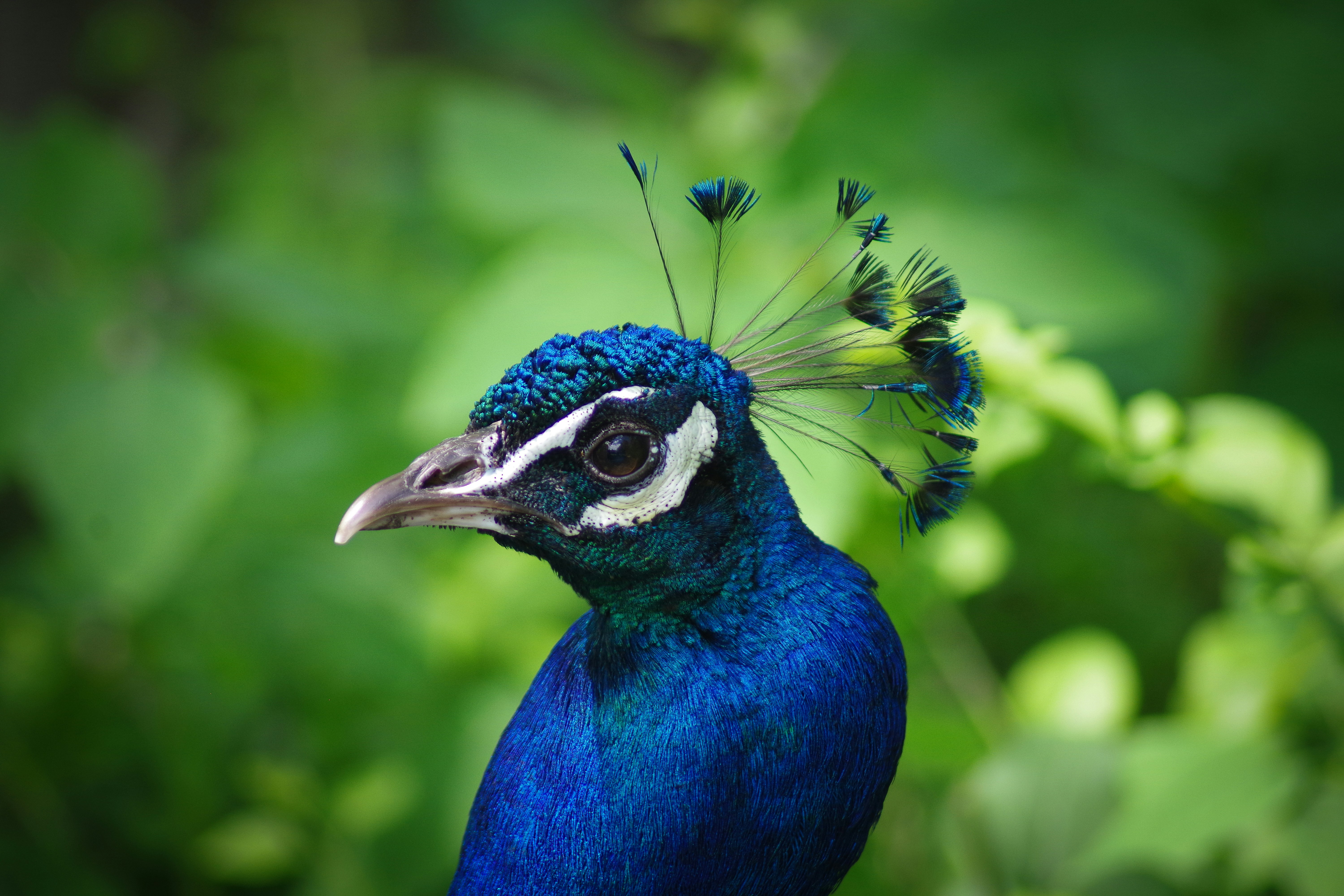
Animals: do not feed anything, do not throw objects into exhibits, and stay on the public paths. This extends to the peacocks that roam the grounds freely, which are startlingly tame and should still be left alone.
Children: anyone aged 17 or under must be accompanied by an adult chaperone aged 18 or over. Teenagers cannot visit unsupervised.
Pets: only working service dogs as defined by the ADA. Comfort, emotional support and therapy animals are not permitted. Service dog handlers should check in at Admissions on arrival to be issued a Service Dog Admission pass.
Photography: personal, non-commercial photography is fine. Tripods are restricted in several exhibits and at staff discretion. Commercial filming requires advance permission.
Accessibility at the Bronx Zoo
All buildings at the zoo are wheelchair-accessible, but the terrain between them is the real consideration. This is a hilly, wooded park and the distances are long.
Best entrance: the Southern Boulevard Gate, which has the fewest incline changes and sits closest to the central section of the park. The zoo publishes a dedicated accessibility map showing gradients and surfaces, which is worth downloading before you travel.
Step-free transit route: the 2 train to Pelham Parkway, which has three elevators to street level, then west to the Bronx River Gate.
Mobility equipment: manual wheelchairs are free to borrow, first come first served, at any entrance gate. Electric Convenience Vehicles rent for $50.63 from the Southern Boulevard Gate only, require a photo ID and a user aged 18 or over, and are limited in supply.
ECV restrictions are significant and worth planning around. ECVs cannot be loaded onto the Zoo Shuttle, cannot go on rides and must be parked before entering the Bug Carousel and the Monorail, are not permitted in Budgie Landing or World of Darkness, and are not advised in the Himalayan Highlands exhibit because of the steep incline and uneven surface.
Ride access: the Bug Carousel loads by ramp for manual wheelchairs. Nature Trek has a wheelchair-accessible route through the towers and bridges for manual and electric wheelchairs. The Wild Asia Monorail takes manual wheelchairs up to 26 inches wide, with narrower chairs available at the platform for those who need to transfer. The Zoo Shuttle is ramp-accessible for standard wheelchairs and most electric wheelchairs. Staff are not permitted to physically transfer guests between chairs.
Terrain to know about: Congo Gorilla Forest has both a steep hill and rough ground. Baboon Reserve, Children's Zoo and Tiger Mountain have rough terrain. World of Birds has a steep hill. JungleWorld and Madagascar! are low-light environments.
Sensory support: the zoo works with KultureCity. Sensory bags containing fidget tools and noise-reducing headphones can be borrowed free at the Guest Relations desk beside the Sea Lion Pool by leaving an ID. Designated Quiet Zones are at Rhino Garden, Zebra Hill and the area beside the bears. Headphone Zones flag the loudest areas: Bug Carousel, Wild Asia Monorail, Children's Zoo and Budgie Landing. A social story PDF for preparing for a visit is published on the accessibility page, with a separate one for Holiday Lights.
Personal Care Assistants: accommodations are made for PCAs, but the primary guest's reservation must be made first and the PCA ticket arranged in advance. Discounts cannot be applied retroactively.
Strollers as wheelchairs: guests who need to stay in a stroller inside exhibits that normally require stroller parking can arrange a Guest Assistance Card in advance.
Final Tips for Visiting the Bronx Zoo
Book online before you leave home, always. There is no ticket window and no walk-up option. This is the most common way a Bronx Zoo visit goes sidways.
Set an alarm for 5pm on Monday if you want a free Wednesday ticket. That is when the Wednesday store opens, four tickets maximum per order, and summer dates go fast.
Run the numbers on Star Attractions before choosing a ticket. Three attractions at $7 each on a Limited Admission ticket costs more than the difference to full admission, and in winter, when half of them are closed, the cheaper ticket usually wins.
Take the BxM11 from Madison Avenue rather than the subway. It is $6.75, it drops you at the gate rather than several blocks away, and it saves the walk at both ends of an already long day on your feet.
Check the website the morning of your visit. Exhibits close without notice and the interactive map shows real-time status, which saves you walking to the far end of the park for something that is shut.
Pack a lunch. Outside food is explicitly allowed, there are picnic tables throughout, and your ticket is single entry so you cannot pop out to eat.
Arrive at 10am and start with the far end of the park. Animals are most active in the first two hours and you get the hilly northern section done before the heat and the crowds arrive.
Book dinner on Arthur Avenue for after the zoo. Ten minutes' walk northwest gets you to the best Italian food in New York City, and finishing a five-hour walk with a cannoli filled to order at Madonia is the correct way to end this particular day.
Back to New York City Attractions
Explore other New York City attractions
" width="24px"><path d="M 0 0 L 24 0 L 24 21.231 L 0 21.231 Z" fill="transparent" height="21.230768474975793px" id="nL2EwDcS9" width="24px"/><path d="M 0 0.541 C 0 0.242 0.245 0 0.547 0 L 2.735 0 C 3.037 0 3.282 0.242 3.282 0.541 L 3.282 4.598 C 3.282 4.897 3.037 5.139 2.735 5.139 L 0.547 5.139 C 0.245 5.139 0 4.897 0 4.598 Z" fill="rgb(196, 217, 201)" height="5.138657337892187px" id="hZ_rlBe_S" transform="translate(0 16.092)" width="3.2820512820512358px"/><path d="M 0 0.541 C 0 0.242 0.245 0 0.547 0 L 2.735 0 C 3.037 0 3.282 0.242 3.282 0.541 L 3.282 7.843 C 3.282 8.142 3.037 8.384 2.735 8.384 L 0.547 8.384 C 0.245 8.384 0 8.142 0 7.843 Z" fill="rgb(230, 211, 160)" height="8.38412513024521px" id="HgVBxIz3e" transform="translate(5.128 12.847)" width="3.282051282051235px"/><path d="M 0 0.541 C 0 0.242 0.245 0 0.547 0 L 2.735 0 C 3.037 0 3.282 0.242 3.282 0.541 L 3.282 12.982 C 3.282 13.281 3.037 13.523 2.735 13.523 L 0.547 13.523 C 0.245 13.523 0 13.281 0 12.982 Z" fill="rgb(232, 207, 164)" height="13.522782468137464px" id="utgrDnoM9" transform="translate(10.325 7.708)" width="3.282051282051377px"/><path d="M 0 0.541 C 0 0.242 0.245 0 0.547 0 L 2.735 0 C 3.037 0 3.282 0.242 3.282 0.541 L 3.282 16.498 C 3.282 16.797 3.037 17.039 2.735 17.039 L 0.547 17.039 C 0.245 17.039 0 16.797 0 16.498 Z" fill="rgb(233, 196, 166)" height="17.038705909853153px" id="OLOhW6STz" transform="translate(15.521 4.192)" width="3.2820512820512384px"/><path d="M 0 0.541 C 0 0.242 0.245 0 0.547 0 L 2.735 0 C 3.037 0 3.282 0.242 3.282 0.541 L 3.282 20.69 C 3.282 20.989 3.037 21.231 2.735 21.231 L 0.547 21.231 C 0.245 21.231 0 20.989 0 20.69 Z" fill="rgb(217, 170, 153)" height="21.230768474975793px" id="H5Z8wcwkd" transform="translate(20.718 0)" width="3.2820512820512278px"/></g></svg>)