Back to Paris Attractions
Do You Need to Book the Château de Fontainebleau in France?
Updated August 2026
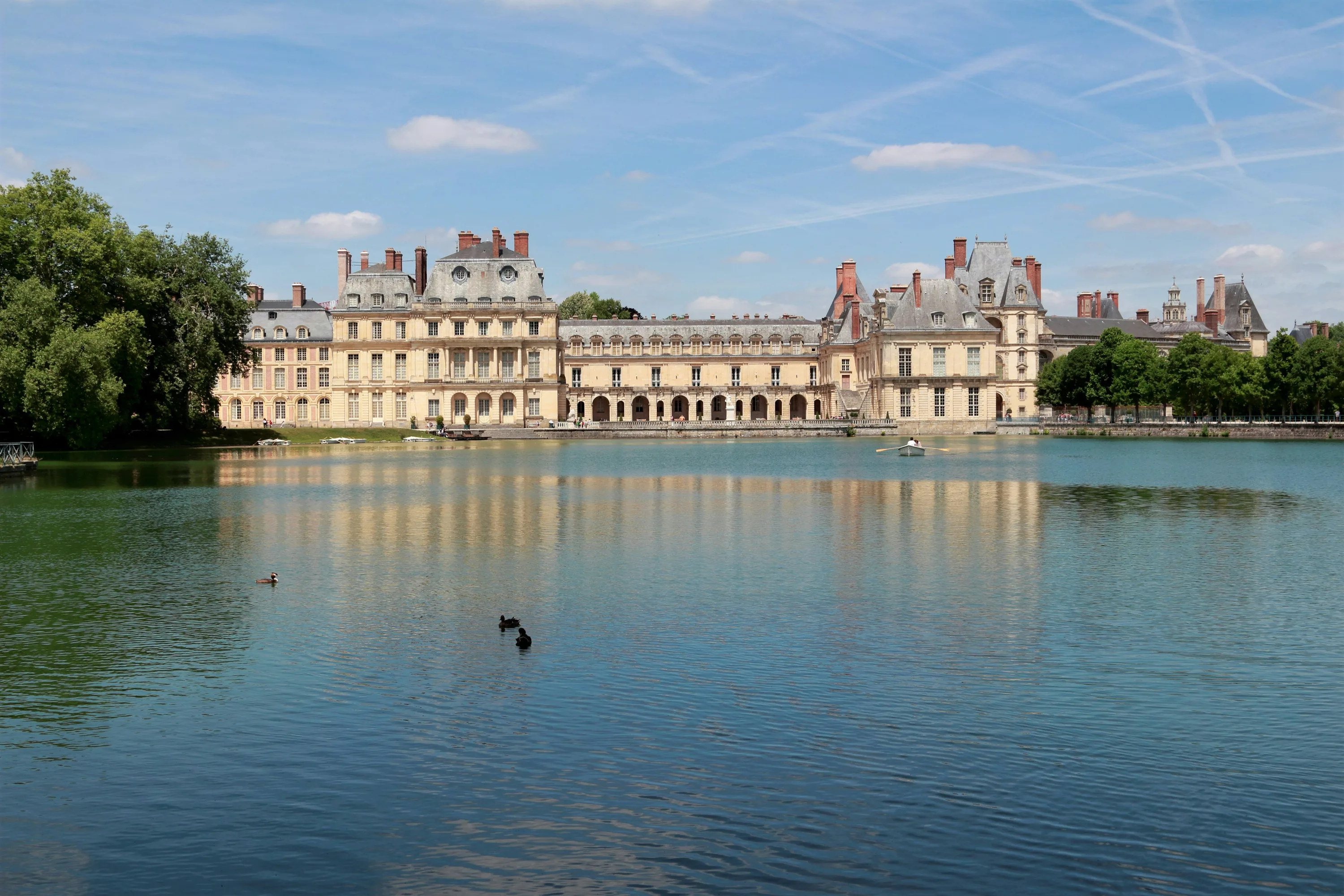
If Versailles is France's most dazzling royal palace, Fontainebleau is its most lived-in. Set 55 kilometres south-east of Paris at the edge of one of the largest forests in France, the Château de Fontainebleau has been a royal and imperial residence since the 12th century, and is the only French palace to have been continuously inhabited from the Middle Ages to the Second Empire. Thirty-four monarchs and two emperors left their mark here across eight centuries, from François I, whose Renaissance galleries transformed a medieval hunting lodge into one of Europe's most magnificent palaces, to Napoleon I, who signed his abdication in this very building in 1814 and bade farewell to his Imperial Guard on the horseshoe staircase of the Cour d'Honneur. The result is a palace that reads less like a single architectural statement and more like a layered journal of French history, with each era adding something extraordinary to the whole. Inscribed as a UNESCO World Heritage Site since 1981, Fontainebleau is also, by some margin, the most undervisited great palace in France. Compared to the crowds at Versailles, it offers a remarkably calm and unhurried experience, at a fraction of the price.
At a Glance
How Early to Book:
Book a ticket 1-2 days ahead to avoid spending time in line at the ticket office. Tickets are valid for entry at any time during the selected day.
At least 3 months in advance.
Best Times to Visit:
Weekday mornings, particularly Wednesday through Friday, will have the smallest crowds.
Ticket price:
€17 for adults. Discounted to €15 during final opening hour.
Where to Book:
The Official Chateau de Fontainebleau website
Landmark Address:
Do You Need to Book Château de Fontainebleau Tickets in Advance?
Unlike many of France's most popular monuments, advance booking is not strictly required for a standard visit to the Château de Fontainebleau. Tickets can be purchased at the door on the day of your visit, and the château is rarely so crowded that walk-up visitors face significant queues. This makes it a more relaxed proposition than Versailles or the Sainte-Chapelle, and a realistic option for a spontaneous day trip from Paris.
That said, buying tickets online in advance is recommended during peak season (June to August) and at weekends throughout the open months, particularly if you want to visit on one of the château's busier days. Online tickets allow you to skip the ticket office queue and guarantee entry at your preferred time.
Entry is free for all visitors on the first Sunday of each month from September to June. This is a popular option and attracts larger crowds than usual; arriving early is recommended if you plan to take advantage of it.
The Paris Museum Pass covers entry to the Château de Fontainebleau and is an excellent option if you are visiting multiple French national monuments over several days. It includes the Grands Appartements, the Napoleon I Museum, and temporary exhibitions. The pass does not require advance booking of a time slot, and there is no separate timed entry system at Fontainebleau.
Your standard château ticket is valid for the whole day, so there is no pressure to rush. You can leave and re-enter as many times as you like during opening hours on the day of your visit.
The courtyards and gardens are free to enter at all times during opening hours, with no ticket required. This is worth knowing if you arrive late in the day or want to explore the grounds without paying for the interior.
Opening Hours and Entry Information
The Château de Fontainebleau is open Wednesday to Monday. It is closed every Tuesday, as well as on 1 January, 1 May, and 25 December. Checking the day of your intended visit before travelling is important, as the Tuesday closure catches visitors off guard.
Opening hours for the interior vary by season:
November to March: 9:30am to 5:00pm (last admission 4:15pm)
April to September: 9:30am to 6:00pm (last admission 5:15pm)
The courtyards and gardens are open daily, including Tuesdays, and are free to enter. Garden hours vary by area:
Grand Parterre and Cour de la Fontaine: Open in line with château hours
Jardin de Diane: Closes half an hour before the château
Jardin Anglais: Closes one hour before the château
The Park: Open 24 hours a day, seven days a week throughout the year
Some spaces within the château may close early or at short notice for conservation or operational reasons. The official website lists any temporary closures in advance.
What is the Best Way to Get to the Château de Fontainebleau?
Fontainebleau is located approximately 55 kilometres south-east of Paris and is straightforwardly accessible by train, making it an easy and enjoyable day trip from the capital.
By Train (recommended): The most practical route is by Transilien Line R from Paris Gare de Lyon, direction Montargis, Montereau, or Laroche-Migennes. The journey to Fontainebleau-Avon station takes approximately 40 minutes, with trains running roughly every 30 minutes during the day. The station is in Île-de-France Zone 5, and Navigo weekly or monthly pass holders travelling from Paris can use their pass with a supplementary extension ticket for the Zone 5 segment. Standard return tickets can be booked at the station or online via SNCF Connect.
From Fontainebleau-Avon station to the château, take Bus Line 1 towards Les Lilas and alight at the "Château" stop. The bus journey takes around 10 to 15 minutes and runs frequently during the day. Alternatively, the walk from the station through the town takes around 25 minutes and is pleasant on a fine day, passing through the centre of Fontainebleau along Rue Grande.
By Car: Fontainebleau is around 50 to 60 minutes from Paris by road in normal traffic, though weekend and Friday afternoon traffic on the A6 can extend this significantly. From Paris, take the A6 motorway (direction Lyon), exit at Fontainebleau, and follow signs to the château. Several free and paid parking areas are available around the château and in the surrounding streets. Arriving early avoids the busiest periods for parking, and leaving before mid-afternoon on weekends avoids the worst return traffic on the A6. Parking is largely free in the streets near the palace.
By Organised Tour from Paris: A number of Paris tour operators offer day trips combining Fontainebleau with Vaux-le-Vicomte, the 17th-century château widely credited as the direct inspiration for Versailles (see the nearby section below). These tours typically include transport from central Paris, a guide, and admission to both sites. They are a practical option for those who want to cover both châteaux in a single day without the logistics of managing two separate train and bus journeys.
On foot or by bike from the town: The château is a short walk from the town centre of Fontainebleau, and the town itself is a pleasant place to arrive and spend time around a visit.
What is the Best Time to Visit the Château de Fontainebleau to Avoid Crowds?
One of Fontainebleau's most consistent advantages over Versailles and other major Île-de-France châteaux is its relative calm. Even during the summer months, visitor numbers are a fraction of those at Versailles, and the experience is significantly more relaxed as a result. That said, there are better and quieter times to visit.
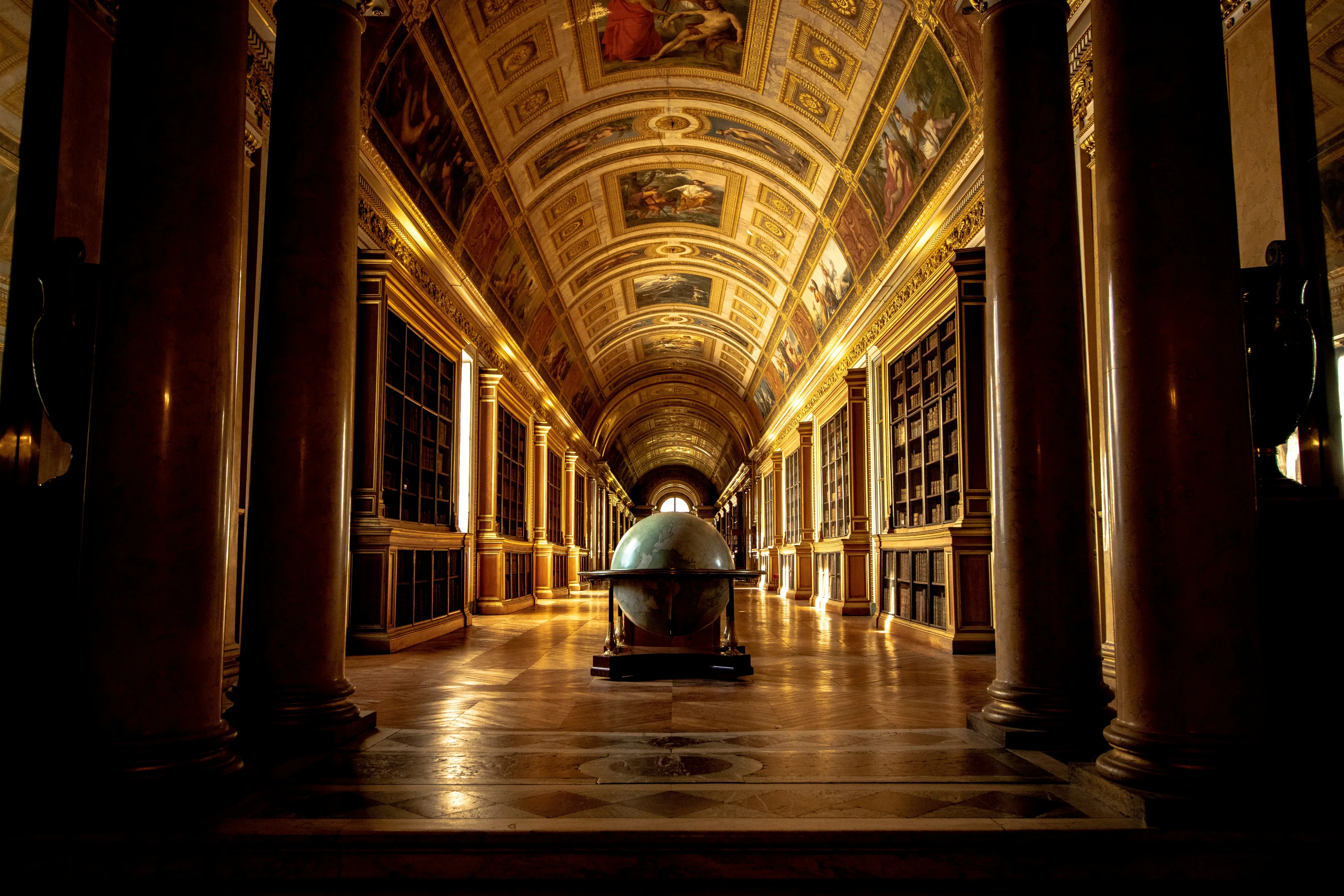
Weekday mornings from Wednesday to Friday are the quietest time overall. Arriving at or shortly after opening at 9:30am gives you the Grands Appartements, the François I Gallery, and the Napoleon I Museum in conditions that feel almost private. The Gallery in particular, one of the finest Renaissance interiors in France, deserves unhurried attention.
Weekends are busier, particularly on sunny days in summer when the gardens and the park attract Parisian families alongside the palace visitors. Saturday and Sunday afternoons can feel crowded in the most popular rooms, though this rarely approaches the intensity of a peak Versailles day.
The first Sunday of each month (September to June) brings free entry for all visitors, which attracts larger crowds than usual. If you are using the free Sunday option, arrive at opening time.
Spring and early autumn are widely considered the best seasons for a visit combining the château interior with time in the gardens. The Grand Parterre, designed by Le Nôtre, is at its most colourful in spring and early summer. Autumn brings beautiful colour to the surrounding Forêt de Fontainebleau and to the Jardin Anglais, and the softer light of October and November suits the palace's warm stone beautifully.
Summer (July and August) brings the best weather and the longest opening hours, but also the most visitors and the highest temperatures inside some of the older rooms. An early arrival is particularly worthwhile in summer.
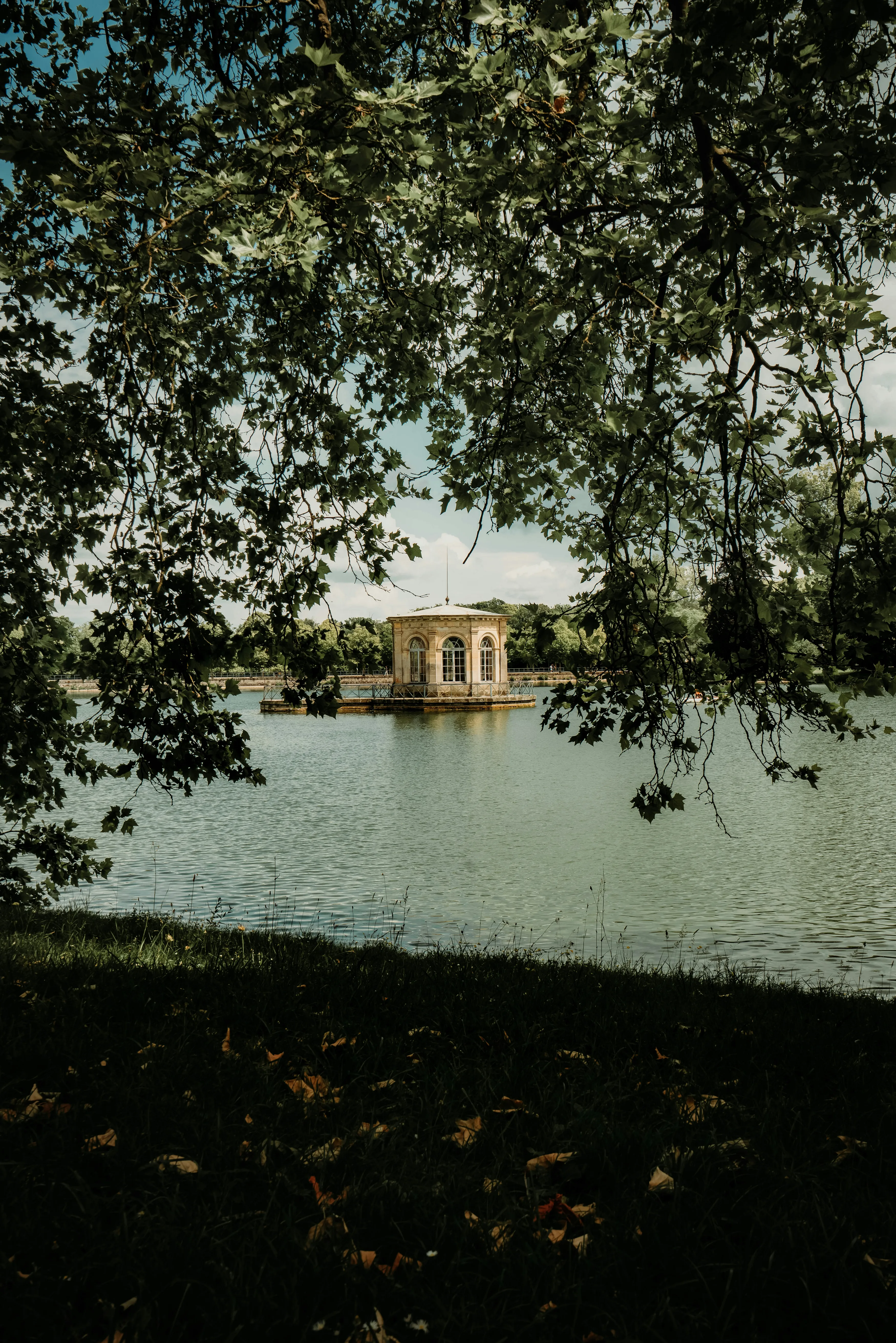
The Palace of Fontainebleau is the only French château to have been continuously inhabited by every French monarch from the 12th century through the 19th century. Known as the "true home of kings," it served as a residence for 34 kings and two emperors over eight centuries
Is the Château de Fontainebleau Worth Visiting?
For anyone with an interest in French history, art, or architecture, without question yes. Fontainebleau's greatest strength is precisely what makes it less famous than Versailles: it is not one king's vision of grandeur, but the accumulated effort of centuries of French monarchs, each leaving the rooms a little richer and a little more personal. The result is a palace that feels inhabited in a way that more monolithic royal projects do not.
The Galerie François I is one of the finest Renaissance interiors outside of Italy, its long barrel-vaulted corridor lined with frescoes and stucco reliefs by Italian artists Rosso Fiorentino and Francesco Primaticcio, who between them created what became known as the School of Fontainebleau. The Ballroom (Salle de Bal), with its painted ceiling and extraordinary parquet floor, is another Renaissance masterpiece, and remains one of the most beautiful rooms in any French palace. The Throne Room, created by Napoleon in what had originally been the King's Bedroom, retains its original Empire furnishings in near-perfect condition. The Empress's Apartments, with Marie Antoinette's bedroom and the Turkish Boudoir with its extraordinary oriental lacquerwork, are unlike anything else in France.
The Napoleon I Museum, housed in the Louis XV wing, is one of the most focused and well-curated Napoleonic collections anywhere, tracing the Emperor and his family through personal objects, portraits, costumes, and furniture. It gives particular context to the building: Fontainebleau was one of Napoleon's favourite residences, and the room in which he signed his abdication still contains the table where he did so.
The Chinese Museum, created in 1863 by Empress Eugénie and one of the world's oldest museums dedicated to Asian art, contains around 800 objects from Qing dynasty China, the Kingdom of Siam, and other Asian nations, including items looted from the Old Summer Palace in Beijing in 1860. It is a fascinating and complex collection that sits in beautifully preserved Second Empire rooms.
How Much Time Should I Spend at the Château de Fontainebleau?
The château recommends allowing a minimum of two hours for a self-guided tour of the Grands Appartements. A thorough visit covering the main apartment circuit, the Napoleon I Museum, the Chinese Museum, and a walk through the gardens will take a half day of four to five hours comfortably. Those who want to explore the park and forest, take a boat out on the Carp Pond, or have lunch on the terrace can easily fill a full day.
A rough guide to planning your time:
Grands Appartements (Galerie François I, Ballroom, State Apartments): 60 to 90 minutes
Napoleon I Museum: 30 to 45 minutes
Chinese Museum: 20 to 30 minutes
Gardens (Grand Parterre, Jardin de Diane, Carp Pond): 45 to 90 minutes depending on how far you walk
The all-day ticket format means there is no pressure to rush. Leaving for lunch in the town and returning in the afternoon is entirely possible on the same ticket.
Guided Tours and Audio Guides
A video guide (visioguide) is available to hire from the reception area for €4, subject to tablet availability. It is offered in multiple languages including English, French, Spanish, German, Italian, Portuguese, Japanese, Russian, Chinese, Dutch, and Polish, and covers the main rooms and collections of the château. For visitors who want structured commentary as they move through the rooms, it is a worthwhile addition.
Histopad tablets are also available for hire and offer an augmented reality experience, overlaying historical imagery onto the rooms you are standing in. These are particularly popular with families and with visitors who want to visualise how the rooms looked in different historical periods.
Guided tours of the Grands Appartements are available for an additional fee and cover the highlights of the palace circuit. Specialist guided tours are also offered for areas not included in the standard visitor route, including the Imperial Theatre (created under Napoleon III in 1857, broadly similar in style to that of Versailles), the Petits Appartements (the private rooms used by successive monarchs), and Marie Antoinette's Turkish Boudoir. These specialist tours must be booked in advance through the château's website and have limited capacity.
For families, activity booklets are available at the entrance in several languages, and a dedicated children's tour route is designed for visitors aged 7 and above. A treasure hunt experience is also available through the Paris Region Adventures app, downloadable free of charge.
Where Should I Eat at and Near the Château de Fontainebleau?
The château has several on-site eating options that are worth knowing about:
Les Petites Bouches de l'Empereur, the château's main restaurant, is located in the heart of the site and offers a lunch menu with views over the Grand Parterre. It is open during château visiting hours. The terrace setting facing the formal French garden, designed by Le Nôtre and Le Vau, makes it one of the more pleasant places to stop for a meal on any château visit. Booking ahead for busy weekends is sensible.
Le Café des Mariniers offers hot and cold drinks and homemade light bites from a terrace with views over the Étang aux Carpes, the large carp pond that has been at the centre of the Fontainebleau estate since the 16th century. It is a lovely spot for a coffee break between the interior rooms and the gardens.
Picnicking is welcome in the Jardin Anglais and the park, and on the benches in the other gardens and courtyards. This is a very popular option, particularly on sunny days, and the park setting is excellent for it. The weekly market in the town of Fontainebleau is a good source of picnic provisions if you arrive on market day.
For eating beyond the château grounds, the town of Fontainebleau itself has a good range of cafés, brasseries, and restaurants within a short walk of the palace entrance. Rue de France and Place Napoleon Bonaparte in the town centre have the greatest concentration of options, from neighbourhood bistros to smart restaurants. The town is considerably more affordable than Versailles and the surrounding tourist infrastructure.
Accessibility at the Château de Fontainebleau
The château has made significant efforts to improve accessibility, though the historic nature of the building means some areas remain challenging.
Wheelchair access is available to the majority of the main visitor circuit, including the Royal Apartments and the Diana and English gardens. The Napoleon I Museum is not currently accessible for wheelchair users. An accessibility map is available at the ticket desk and is recommended for visitors with mobility difficulties before beginning the visit.
The main entrance courtyard and several of the formal gardens are navigable in a wheelchair or with a pushchair. Some of the older rooms involve steps or thresholds that limit accessibility, and the audio-visual aids including Histopad and visioguide offer virtual tours of areas that cannot be physically accessed.
Hearing aid-compatible audio guides and tactile models are available on request. The château also produces dedicated resources for visitors with visual impairments.
Disabled visitors and one accompanying companion receive free admission. A Mobility Inclusion Card or equivalent disability documentation is required at the ticket desk. Accessible parking spaces are available in the château car park.
Rules, Bags, and Security
The Château de Fontainebleau has straightforward rules that are broadly similar to those at other French national monuments.
Photography for personal, non-commercial use is permitted in the courtyards, gardens, and interior spaces of the château during opening hours. Wedding photography is allowed in the courtyards and gardens free of charge. For private photo shoots, advance contact with the château's private services department is required.
Picnics are permitted in the Jardin Anglais and the park, and on the benches in the other gardens and courtyards. They are not permitted inside the château itself.
Backpacks, umbrellas, and bulky pushchairs or child carriers are not allowed inside the château for preservation and safety reasons. Lockers are available in the visitor reception areas, and front-worn baby slings and buggies can be rented on site.
Pets are not permitted inside the château. Dogs on leads are welcome in the park and certain garden areas; check the on-site signage for specific restrictions within the formal gardens.
The château's all-day ticket allows multiple re-entries on the same day, so visitors can go out for lunch and return without needing a new ticket.
What Else is There to Do Near the Château de Fontainebleau?
The château and its immediate surroundings offer a remarkable range of additional activities, particularly for those making a full-day trip from Paris.
The Forêt de Fontainebleau is one of the largest forests in France and surrounds the château on all sides. Covering around 25,000 hectares, it is a UNESCO Biosphere Reserve and one of the finest areas for walking, cycling, and climbing in the Île-de-France. It is particularly beautiful in autumn, when the beech and oak woodland turns gold. The forest is world-famous among rock climbers for its sandstone boulders, which have been a training ground for generations of French alpinists. Marked walking and cycling routes leave from the town of Fontainebleau, and maps are available from the tourist office.
The town of Fontainebleau itself is an elegant and well-preserved imperial town, with a market, good restaurants, independent shops, and the former headquarters of NATO's Supreme Allied Command (SHAPE), which was located here from 1950 to 1967.
Vaux-le-Vicomte, approximately 20 kilometres north-west, is one of the finest and most historically significant châteaux in France. Built in the 1650s by Nicolas Fouquet, Louis XIV's finance minister, its extraordinary scale and beauty so alarmed the king that he had Fouquet arrested and imprisoned for life, and hired the same architect, landscape designer, and decorator to build Versailles. The result is a building that precedes and directly inspired the most famous palace in France, and it is worth the journey specifically because it is so comparably undervisited. Vaux-le-Vicomte is renowned for its candlelit evenings on selected Saturday nights from May to early October, when the château and gardens are lit entirely by candlelight and fireworks round off the evening. These events are very popular and sell out in advance; check the Vaux-le-Vicomte website for dates and booking.
Barbizon, a small village at the edge of the forest around 10 kilometres west of Fontainebleau, was the home of the Barbizon School of painters in the 19th century, whose landscape work on the forest and the plain of Chailly directly preceded and influenced French Impressionism. Jean-François Millet and Théodore Rousseau both lived and worked here; their houses are preserved as museums and are open to visitors. The village is charming and very easy to visit by car in combination with the château.
Final Tips for Visiting the Château de Fontainebleau
Remember it is closed on Tuesdays. Like many French national museums, Fontainebleau closes on Tuesday rather than Monday. Checking the day of your visit before travelling is a simple step that avoids a wasted journey.
No advance booking is needed for the standard visit. The relaxed walk-up system and all-day ticket format make Fontainebleau one of the most visitor-friendly of the major French royal palaces. You can arrive without pre-planning and simply purchase your ticket at the door on most days.
Take your time in the Galerie François I. It is one of the most important Renaissance interiors outside of Italy and is the room that most visitors rush through on the way to the Napoleonic apartments. The detail in the frescoes and stucco panels by Rosso Fiorentino and Primaticcio rewards slow looking.
Do not overlook the Napoleon I Museum. It is one of the finest collections of Napoleonic material in France, and the fact that the building itself is so deeply connected to Napoleon gives the objects particular resonance. The abdication table alone is worth seeking out.
Visit the Chinese Museum. It is one of the oldest dedicated Asian art museums in the world and contains an extraordinary collection in beautifully preserved Second Empire rooms. Many visitors skip it entirely; they are missing one of the most unusual and historically complex spaces in the château.
Use the all-day ticket to go at your own pace. There is no obligation to see everything in a single sweep. Leaving for lunch in the town and returning in the afternoon for the gardens or the park is a very pleasant way to structure the day.
Consider combining with Vaux-le-Vicomte. The two châteaux are around 20 kilometres apart and the pairing is one of the finest day trips in the Île-de-France. If Vaux's candlelit evenings fall on your visit dates, booking in advance is essential as these sell out.
Back to Paris Attractions
Explore other Paris attractions
" width="24px"><path d="M 0 0 L 24 0 L 24 21.231 L 0 21.231 Z" fill="transparent" height="21.230768474975793px" id="nL2EwDcS9" width="24px"/><path d="M 0 0.541 C 0 0.242 0.245 0 0.547 0 L 2.735 0 C 3.037 0 3.282 0.242 3.282 0.541 L 3.282 4.598 C 3.282 4.897 3.037 5.139 2.735 5.139 L 0.547 5.139 C 0.245 5.139 0 4.897 0 4.598 Z" fill="rgb(196, 217, 201)" height="5.138657337892187px" id="hZ_rlBe_S" transform="translate(0 16.092)" width="3.2820512820512358px"/><path d="M 0 0.541 C 0 0.242 0.245 0 0.547 0 L 2.735 0 C 3.037 0 3.282 0.242 3.282 0.541 L 3.282 7.843 C 3.282 8.142 3.037 8.384 2.735 8.384 L 0.547 8.384 C 0.245 8.384 0 8.142 0 7.843 Z" fill="rgb(230, 211, 160)" height="8.38412513024521px" id="HgVBxIz3e" transform="translate(5.128 12.847)" width="3.282051282051235px"/><path d="M 0 0.541 C 0 0.242 0.245 0 0.547 0 L 2.735 0 C 3.037 0 3.282 0.242 3.282 0.541 L 3.282 12.982 C 3.282 13.281 3.037 13.523 2.735 13.523 L 0.547 13.523 C 0.245 13.523 0 13.281 0 12.982 Z" fill="rgb(232, 207, 164)" height="13.522782468137464px" id="utgrDnoM9" transform="translate(10.325 7.708)" width="3.282051282051377px"/><path d="M 0 0.541 C 0 0.242 0.245 0 0.547 0 L 2.735 0 C 3.037 0 3.282 0.242 3.282 0.541 L 3.282 16.498 C 3.282 16.797 3.037 17.039 2.735 17.039 L 0.547 17.039 C 0.245 17.039 0 16.797 0 16.498 Z" fill="rgb(233, 196, 166)" height="17.038705909853153px" id="OLOhW6STz" transform="translate(15.521 4.192)" width="3.2820512820512384px"/><path d="M 0 0.541 C 0 0.242 0.245 0 0.547 0 L 2.735 0 C 3.037 0 3.282 0.242 3.282 0.541 L 3.282 20.69 C 3.282 20.989 3.037 21.231 2.735 21.231 L 0.547 21.231 C 0.245 21.231 0 20.989 0 20.69 Z" fill="rgb(217, 170, 153)" height="21.230768474975793px" id="H5Z8wcwkd" transform="translate(20.718 0)" width="3.2820512820512278px"/></g></svg>)