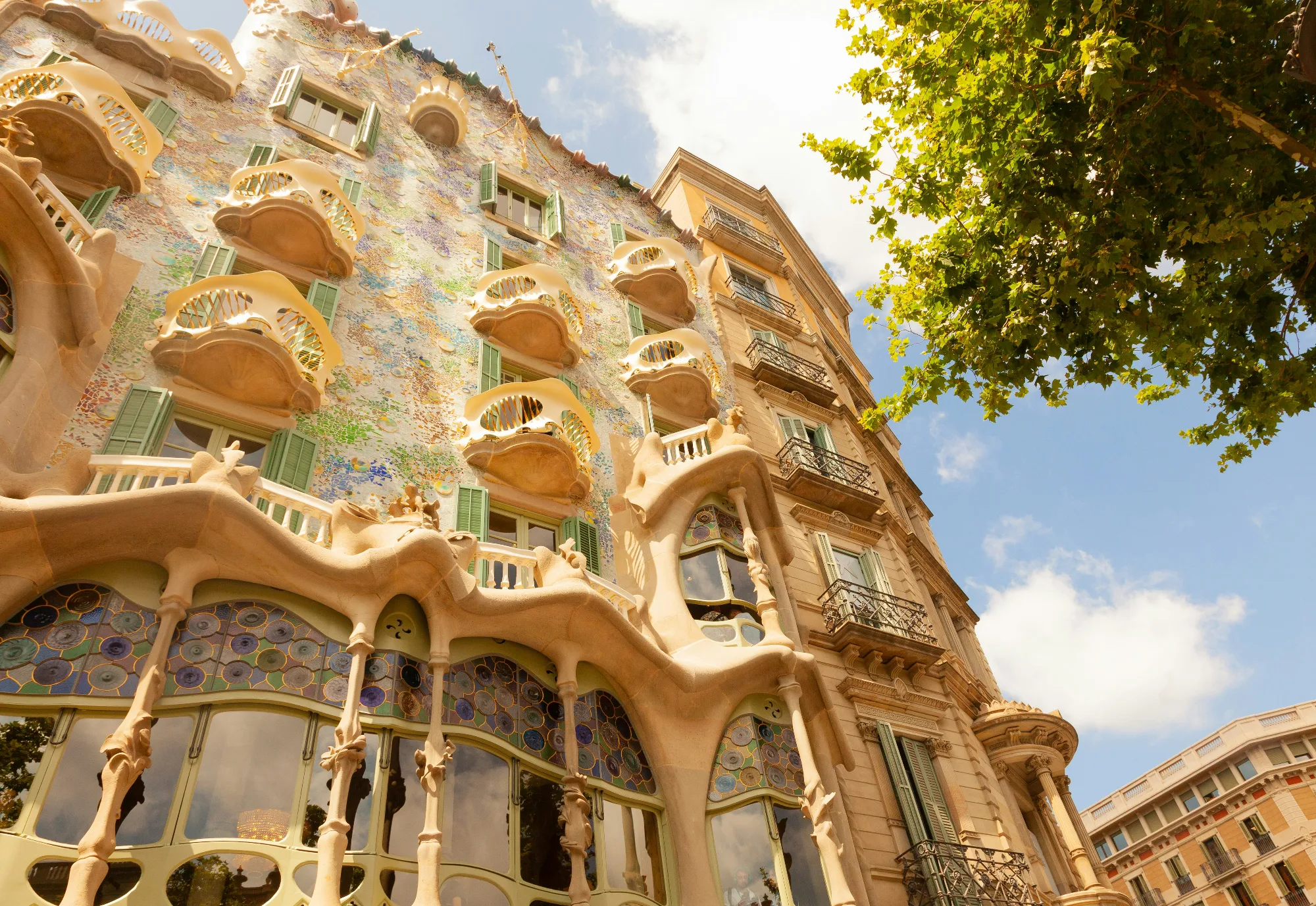
The first time you show up to the Sagrada Familia without a pre-booked timed-entry ticket in hand, it is okay to blame over-tourism. You used to be able to walk right into Gaudi's masterpiece without thinking very far in advance at all. And that time was not that long ago. But if it happens a second time, well, then it's shame on you. Times are different now. The age of spontaneously hitting up Gaudi's famed architectural sites, especially during the Summer season, is drawing to a close. While you can of course always view these landmarks from the outside, the experience of setting foot inside is what will set your experience apart from the millions of others that do not plan ahead.
After many trips to Barcelona, I have learned the hard way what needs to be booked, what does not, and how far in advance each site requires your attention. I've tried to take these experiences to produce this guidance. My aim here is simple: to give you the complete picture of Barcelona's Gaudí sites so that you arrive prepared, get inside everything that's on your list, and spend your time actually looking at the architecture rather than desperately refreshing a ticketing page praying that you'll be able to snag the ticket from a last-minute cancellation.
How Many Gaudí Sites Are There in Barcelona?
More than most people realise. When travellers think of Gaudí in Barcelona, they typically land on Sagrada Família and Park Güell, and perhaps Casa Batlló on Passeig de Gràcia if they have done a bit of reading. But Antoni Gaudí i Cornet left his mark across the entire city, and several of his works are UNESCO World Heritage Sites.
The main Gaudí sites you can visit in Barcelona today are:
Sagrada Família (1882, still under construction): the basilica that defines the city's skyline and attracts more visitors than any other site in Spain
Park Güell (1900 to 1914): the hillside public park with its famous mosaic terraces and dragon staircase
Casa Milà / La Pedrera (1906 to 1912): the undulating stone apartment building on Passeig de Gràcia, with its famous rooftop warriors
Casa Batlló (remodelled 1904 to 1906): the dragon-backed building a few doors down from Casa Milà on the same boulevard
Casa Vicens (1883 to 1885): Gaudí's first major commission, located in the Gràcia neighbourhood, and the most overlooked of the UNESCO sites
Palau Güell (1886 to 1890): a dark, impressive mansion near La Rambla built for Gaudí's patron, Eusebi Güell
Colònia Güell Crypt: located 23 kilometres outside Barcelona in Santa Coloma de Cervelló, a fascinating unfinished crypt that Gaudí used as a structural laboratory for Sagrada Família
For most visitors on a standard Barcelona trip, the practical shortlist is Sagrada Família, Park Güell, Casa Milà, and Casa Vicens. That covers the four UNESCO-listed Gaudí buildings that are open as museums or visitor sites within the city itself. If your interest in Gaudí runs deeper, Palau Güell is well worth adding, and the Colònia Güell Crypt is a rewarding half-day trip for serious architecture enthusiasts. Casa Batlló is spectacular but I will address it separately below, since it carries a very different price point to the others.
Which Gaudí Sites Require Advance Booking? (And Which Don't?)
This is the question that matters most for planning, so let me give you a clear breakdown.
Sagrada Família: book as far in advance as possible - tickets released about 2 months ahead
This is not a case where "a few days ahead" will be fine. Sagrada Família is the most visited attraction in Spain, with over 4.8 million visitors in 2024 alone, and daily capacity is strictly capped by timed entry. In peak season (roughly April through October), popular entry times can sell out six to eight weeks in advance. I have checked the official booking calendar in July and seen entire stretches of morning slots completely gone for the following three weeks. Tower access tickets, which allow you to ride an elevator up one of the towers for aerial views of the city, sell out faster still; those go first and are not included in a standard ticket.
The safest approach: book your Sagrada Família tickets the moment you have confirmed your travel dates. Tickets open approximately 60 days in advance on the official website. I tell anyone visiting Barcelona to treat this the same way they would treat booking their flights. Do it first, before anything else. For a full breakdown of ticket types, prices, and what each option includes, see our dedicated Sagrada Família guide.
Park Güell: mandatory advance booking, no exceptions.
Unlike Sagrada Família, where you can technically queue on the day and hope, Park Güell's monumental zone does not operate a walk-up ticket office in any meaningful sense. Timed entry tickets must be booked online in advance. The park limits entry to approximately 1,400 visitors per hour, and that cap is being progressively reduced toward 4 million annual visitors by 2027, meaning availability will only get tighter over time.
In practical terms, this means morning timeslots will frequently sell out at least a week ahead of time, with afternoon timeslots selling out at least a few days ahead of a planned visit. Visitors arrive at the park gates only to discover this, often after travelling uphill in the midday heat. The good news is that unlike Sagrada Família, Park Güell tickets are a bit easier to secure a few days in advance, outside of summer peaks and bank holiday weekends. But I would still recommend booking at least one week ahead in high season (preferably 2 weeks ahead). See our full Park Güell guide for ticket options and timing details.
Casa Milà (La Pedrera): strongly recommended, especially for morning slots.
Casa Milà does not have quite the same all-day sellout pressure as the top two, but it absolutely gets crowded, and the best time slots go early. I particularly recommend booking if you want to visit the rooftop first thing in the morning, which is by far the best time to be up there. The rooftop, with its extraordinary chimney sculptures and views across the Eixample, is the highlight of any visit to Casa Milà. Mid-afternoon on a summer day it can feel unpleasantly packed. The evening "Magic Nights" experience, which includes a theatrical rooftop show, is a separate ticketed event and sells out well in advance of summer dates. Book Casa Milà at least one to two weeks ahead in peak season, and check the Casa Milà guide for current ticket options and what each tier includes.
Casa Vicens: book in advance, but pressure is lower.
Casa Vicens is the hidden advantage of the Gaudí circuit. Because it sits in the Gràcia neighbourhood rather than on the main tourist thoroughfare of Passeig de Gràcia, and because it lacks the global name recognition of its siblings, it attracts far fewer visitors. I have visited on a Saturday in June and had large sections of the house almost entirely to myself, which is simply not possible at any other Gaudí site in the city.
That said, I still recommend booking in advance, because ticket availability is not unlimited and guided tours in English operate only a few times daily. Booking ahead also lets you plan your time in Gràcia around the visit, which is worth doing since the neighbourhood itself is worth a long wander. See our Casa Vicens guide for full visitor information.
Casa Batlló: book in advance, but consider whether the price is right for you.
Casa Batlló is extraordinary. I want to say that up front, because what follows might sound like a criticism. The interior is like walking through a coral reef designed by a fever dream, all curves and colour and flowing light. But it is also the most expensive of the Gaudí museums by a significant margin, and the ticket price has risen steeply in recent years. It sells out in peak season, so advance booking is essential, but the bigger decision is whether the experience fits your budget and interests relative to the other options. For architecture obsessives, absolutely yes. For casual visitors trying to see everything on a standard four-day trip, it is an honest conversation worth having. See our Casa Batlló guide for full visitor information.
Palau Güell: advance booking recommended but less urgent.
Palau Güell sits just off La Rambla, is consistently one of the most undervisited major Gaudí works in Barcelona, and is significantly cheaper than most of the others. I find myself enjoying visits here precisely because the crowds are manageable. Booking ahead is sensible but you can usually secure tickets a few days in advance without drama.
Can You See Multiple Gaudí Sites in One Day?
Yes, and I have done it (I've been sore the following day). The key is planning your sequence around geography and timed entry, not just enthusiasm.
The most logical Gaudí day I have put together starts at Sagrada Família for first entry (9am or as close as possible), then moves up to Park Güell in the late morning, then descends through Gràcia to Casa Vicens, and finishes with a walk along Passeig de Gràcia past Casa Batlló (exterior) to Casa Milà in the early afternoon. This route works geographically because Park Güell sits on the hills to the north of the city, and Gràcia lies on the slope between the park and the main boulevard. You can walk most of it, or take a short bus or taxi between Sagrada Família and Park Güell if the 40-minute uphill walk does not appeal.
But I gotta be honest for a minute: doing all four major sites in one day is ambitious and tiring. Sagrada Família alone deserves two to three hours if you want to take it seriously. Park Güell needs at least ninety minutes to two hours. If you try to rush both of those and then squeeze in Casa Milà and Casa Vicens on the same afternoon, you will end up doing justice to none of them.
My recommendation for most visitors is to split the Gaudí circuit across two days. Day one: Sagrada Família in the morning, Casa Milà in the afternoon, and an evening stroll along Passeig de Gràcia to look at Casa Batlló from the outside. Day two: Park Güell for first entry, then down through Gràcia to Casa Vicens, with the rest of the afternoon free for the neighbourhood itself.
If you only have one day, prioritise Sagrada Família and Park Güell. Add Casa Milà if you have the energy. Leave Casa Vicens for a second visit or a future trip, since it is the one site that rewards a slow, unhurried visit more than any of the others.
Which Gaudí Site Should You Prioritise if You Only Have Time for One?
No surprise here, but it's the Sagrada Familia.
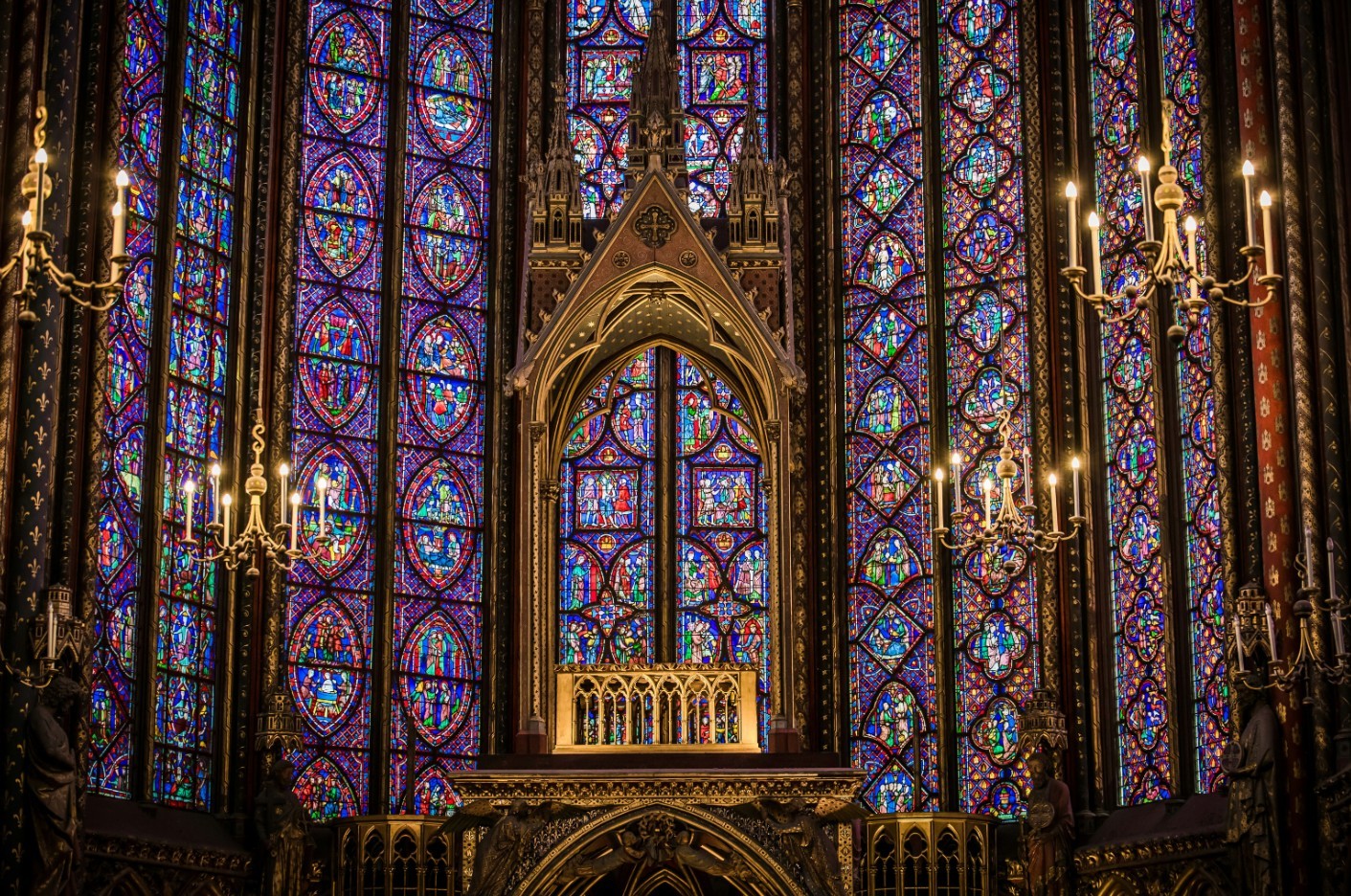
The scale of the interior is unlike anything else in Europe. The way the light moves through the stained glass windows across the nave changes every fifteen minutes, and the effect on a clear morning is remarkable, the kind of thing that stops you mid-sentence. Even people who describe themselves as not particularly interested in architecture tend to emerge from Sagrada Família quietly stunned. It is a building that resists being shrunk to a photograph.
Park Güell is the right second choice. The mosaics and the views and the strangeness of the place earn it, and it gives you a fundamentally different kind of Gaudí experience: outdoors, playful, human-scale. Families with children often find it more engaging than Sagrada Família, where there is less space to move freely and the experience is inherently more static.
For return visitors, my personal vote for the most underrated Gaudí site is Casa Vicens. It tells you something about where Gaudí's ideas came from in a way that the later, more famous buildings do not. The Oriental and Islamic influences in the tilework, the structural logic of the roof, the small domestic scale of everything: it reads almost like a prototype. I find it more intellectually interesting than Casa Milà, despite the latter's global fame, and I enjoy it more because I am not fighting for space with hundreds of other visitors.
Are Any Gaudí Sites Free or Cheaper Than Others?
The outer areas of Park Güell are free. Beyond the monumental zone's ticketed perimeter, you can wander the gardens, sit on the hillside, and admire the views over Barcelona without paying anything. What you cannot access without a ticket is the central area containing the famous Dragon Staircase, the Hypostyle Room, and the main terrace with the serpentine bench. If your budget is tight, entering the free zone and finding a spot to sit above the city at dusk is a very reasonable alternative.
Palau Güell is notably cheaper than the other Gaudí museums and receives a fraction of the attention. If you are interested in Gaudí's relationship with his patron Eusebi Güell, or in the evolution of his structural ideas, it is excellent value and easy to visit without fighting crowds.
The exterior of every Gaudí building in Barcelona is free, of course. The Passeig de Gràcia block containing Casa Batlló, Casa Milà, and Casa Amatller is often called the "Block of Discord" among architecture historians, and standing on that pavement to look at the facades costs nothing. I have a lot of Barcelona friends that recommend this approach for Casa Batlló specifically: spend ten or fifteen minutes on the pavement outside, look at it carefully, and then decide whether the interior ticket price is right for you.
Casa Vicens offers a relatively modest ticket price by Barcelona standards, which is another reason I find myself recommending it to people trying to do the Gaudí circuit without an enormous budget.
What to Know Before You Go: Practical Tips for Visiting the Gaudí Sites
Book Sagrada Família the moment you confirm your travel dates. This is the single most important piece of planning advice for any Barcelona trip, and I repeat it because the number of people who arrive having not done it is extraordinary. Tower tickets go fastest of all. If you want them, treat them as the first thing you book, not an afterthought.
Stagger your timed entries with enough buffer. Getting from Sagrada Família to Park Güell by public transport takes thirty to forty-five minutes on a good day. If you book a 9am Sagrada Família entry and an 11am Park Güell slot, you will be rushing. Give yourself at least ninety minutes between entries when planning a multi-site day.
The first entry slot of the day is often times the most popular. This is worth knowing because it means that if you want a 9am slot and cannot get one, the 10am or 10:30am slot may actually be quieter. For some of these sites, the calmest time can often be the last entry slot of the afternoon, when crowds have thinned and the light is good.
The Articket BCN museum pass does not cover the Gaudí buildings. This trips up a lot of people. The Articket covers six contemporary and modern art museums in Barcelona, but Sagrada Família, Park Güell, and Casa Milà are not among them. The Go City Card and the Barcelona Card offer discounts or bundled access to some Gaudí sites, but check the current inclusions carefully before buying, since what is included changes from year to year.
Casa Vicens is quieter on weekday mornings. If you can structure your itinerary to visit on a Tuesday or Wednesday before noon, you will likely have the house largely to yourself. This is a level of breathing room that simply does not exist at Sagrada Família or Park Güell at any time of day in high season, and it transforms the quality of the experience.
If Sagrada Família tickets look sold out, check back early in the morning. Cancellations drop back into the system, and they tend to reappear overnight or early morning as people adjust their plans. Setting a reminder to check at 8am Barcelona time on the two or three mornings before your visit is often enough to find a slot.
Visiting in low season changes everything. November through February (excluding Christmas week and New Year) offers thinner crowds, better availability, and a different character to each site. I have visited Park Güell in January with almost no one else there, and it was one of the best experiences I have had at any attraction in Barcelona.
Do not neglect the neighbourhood around each site. Gràcia, where Casa Vicens sits, is one of the most liveable and colorful neighbourhoods in the city. The Eixample blocks surrounding Casa Milà are dense with good restaurants and interesting buildings. Part of what makes a Gaudí visit memorable is what you do in the hours around it, and Barcelona rewards those that take their time walking between the sights.

" width="24px"><path d="M 0 0 L 24 0 L 24 21.231 L 0 21.231 Z" fill="transparent" height="21.230768474975793px" id="nL2EwDcS9" width="24px"/><path d="M 0 0.541 C 0 0.242 0.245 0 0.547 0 L 2.735 0 C 3.037 0 3.282 0.242 3.282 0.541 L 3.282 4.598 C 3.282 4.897 3.037 5.139 2.735 5.139 L 0.547 5.139 C 0.245 5.139 0 4.897 0 4.598 Z" fill="rgb(196, 217, 201)" height="5.138657337892187px" id="hZ_rlBe_S" transform="translate(0 16.092)" width="3.2820512820512358px"/><path d="M 0 0.541 C 0 0.242 0.245 0 0.547 0 L 2.735 0 C 3.037 0 3.282 0.242 3.282 0.541 L 3.282 7.843 C 3.282 8.142 3.037 8.384 2.735 8.384 L 0.547 8.384 C 0.245 8.384 0 8.142 0 7.843 Z" fill="rgb(230, 211, 160)" height="8.38412513024521px" id="HgVBxIz3e" transform="translate(5.128 12.847)" width="3.282051282051235px"/><path d="M 0 0.541 C 0 0.242 0.245 0 0.547 0 L 2.735 0 C 3.037 0 3.282 0.242 3.282 0.541 L 3.282 12.982 C 3.282 13.281 3.037 13.523 2.735 13.523 L 0.547 13.523 C 0.245 13.523 0 13.281 0 12.982 Z" fill="rgb(232, 207, 164)" height="13.522782468137464px" id="utgrDnoM9" transform="translate(10.325 7.708)" width="3.282051282051377px"/><path d="M 0 0.541 C 0 0.242 0.245 0 0.547 0 L 2.735 0 C 3.037 0 3.282 0.242 3.282 0.541 L 3.282 16.498 C 3.282 16.797 3.037 17.039 2.735 17.039 L 0.547 17.039 C 0.245 17.039 0 16.797 0 16.498 Z" fill="rgb(233, 196, 166)" height="17.038705909853153px" id="OLOhW6STz" transform="translate(15.521 4.192)" width="3.2820512820512384px"/><path d="M 0 0.541 C 0 0.242 0.245 0 0.547 0 L 2.735 0 C 3.037 0 3.282 0.242 3.282 0.541 L 3.282 20.69 C 3.282 20.989 3.037 21.231 2.735 21.231 L 0.547 21.231 C 0.245 21.231 0 20.989 0 20.69 Z" fill="rgb(217, 170, 153)" height="21.230768474975793px" id="H5Z8wcwkd" transform="translate(20.718 0)" width="3.2820512820512278px"/></g></svg>)