
London • Westminster
Palace of Westminster
Tours available as both self-guided audio tours, and fully guided tours. Tour availability varies greatly depending on parliament's schedule. When in session, fewer tours are given, and availability may be sparse.
Book 2-4 Weeks Ahead
Book 1-3 Months Ahead
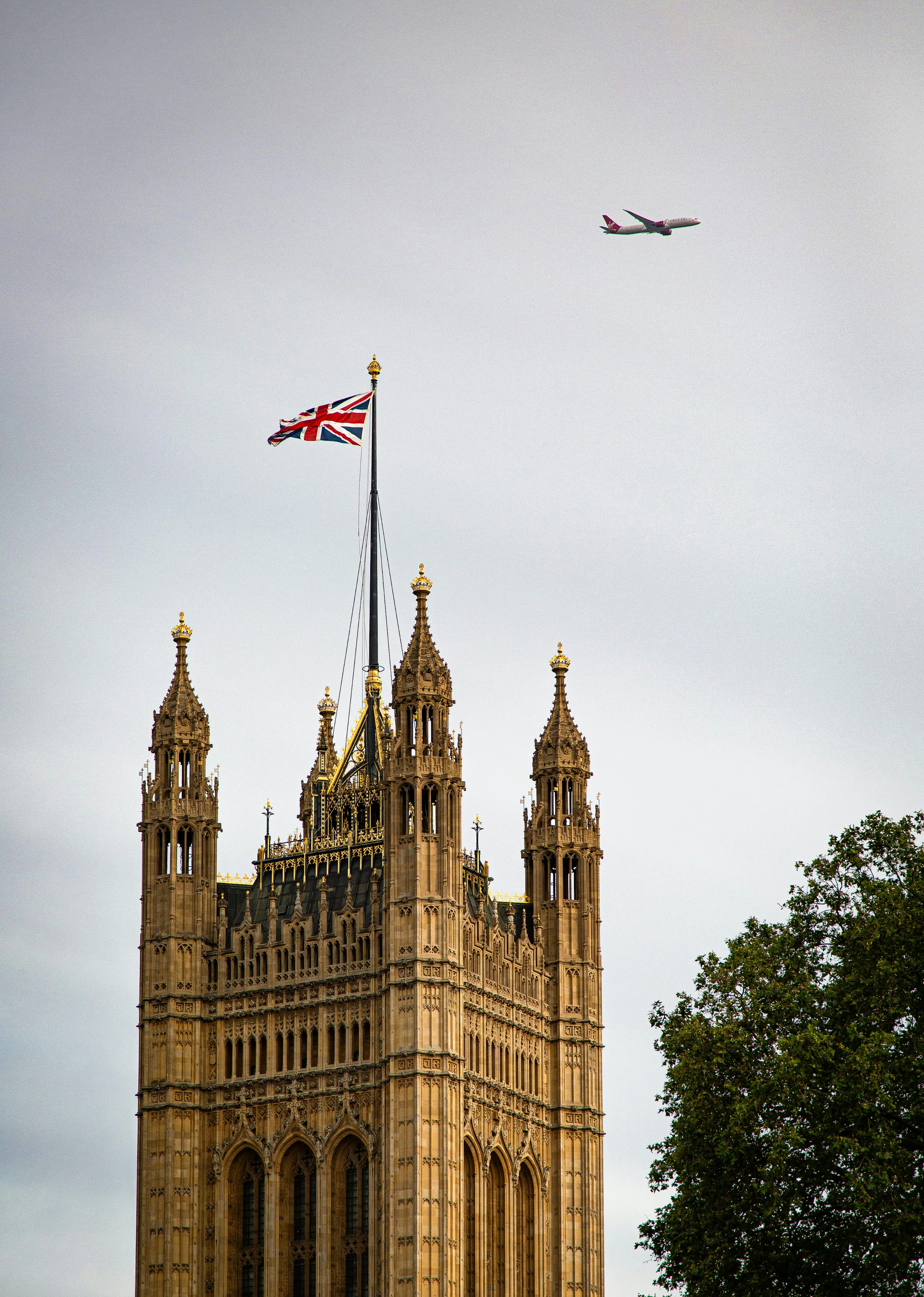
Houses of Parliament Opening Hours and Entry Information
Tour access is not like a museum with consistent daily opening hours. It varies significantly depending on whether Parliament is sitting.
Saturdays (year-round): Tours available from approximately 9:30am to 4:30pm (last admission). This is the most reliable day for overseas visitors and those with limited flexibility.
Weekdays during parliamentary recess: Tours available Monday to Saturday, with a wider range of time slots, typically from around 9:00am to 4:15pm (last admission). Selected dates are also available during most school holidays.
Weekdays when Parliament is sitting: Limited access only. Some morning tour slots are available before Parliament begins sitting (typically before 10:00am to 10:15am). From around 10:15am on sitting days, tours become partial: access to the House of Lords only, not the House of Commons chamber.
No tours on Sundays. This is a consistent year-round policy.
Public gallery access (watching live debates, free of charge) is available Monday to Thursday while Parliament is sitting, and on some Fridays, with hours varying by day. See the dedicated section below for full details.
Address and visitor entrance: The visitor entrance for tours and the public gallery is the Cromwell Green Entrance, on the west facade of the building facing Parliament Square, roughly midway along the front of the palace between the St Stephen's entrance and the far southern end. Do not confuse this with the Portcullis House ticket office, which is on Victoria Embankment on the opposite side of the building.
Full address: Palace of Westminster, Westminster, London SW1A 0AA.
What is the Best Way to Get to the Houses of Parliament?
The Houses of Parliament are in Westminster, on the north bank of the Thames, and are one of the most accessible major attractions in London by public transport.
By Tube: Westminster station (District, Circle, and Jubilee lines) is directly adjacent, around a two-minute walk from the visitor entrance. This is the obvious choice from most parts of central London. Note that Westminster station can be busy at peak tourist times, particularly in summer when queues can form at the escalators.
By bus: A large number of routes stop within a very short walk, including 3, 11, 12, 24, 53, 87, 88, 148, 159, 211, and 453. The bus is the most practical option from Victoria station (around 10 minutes) if you are coming from that direction.
By boat: Thames Clipper services stop at Westminster Pier on the embankment, directly adjacent to the palace. Arriving by river gives an excellent perspective on the building's exterior that is not possible from land, and is worth considering if you are coming from Waterloo, Bankside, or Canary Wharf.
On foot: From Westminster Abbey (three minutes), Churchill War Rooms (five minutes), Trafalgar Square (15 minutes), Victoria station (12 minutes via Birdcage Walk through St James's Park).
By Santander Cycles: Docking stations are on Smith Square and Abingdon Green, both within easy walking distance.
Driving is not practical. The area around Parliament Square is a heavily managed traffic environment, and there is no visitor parking near the palace. Public transport is the right approach for all visitors.

It is a longstanding tradition that the British monarch does not enter the House of Commons. This custom stems from 1642, when King Charles I broke tradition by entering the chamber to arrest five MPs, helping trigger the Civil War.
How Much Time Should I Spend at the Houses of Parliament?
For a standard tour, audio or guided, the official duration is 90 minutes from entry. This covers Westminster Hall, St Stephen's Hall, the Central Lobby, the House of Lords Chamber, the Queen's Robing Room, and the House of Commons Chamber.
In practice, most visitors find they spend closer to two and a half hours when you factor in the security queue on arrival, the natural tendency to linger in particular spaces, and the exit process. Security waits average around 30 minutes and can reach 45 on Monday, Tuesday and Wednesday afternoons, so build that into your plan rather than treating 20 minutes as sufficient.
If you add the Afternoon Tea on the River Terrace, plan for a full half-day: two hours for the tour, an hour or more for tea.
Visitors who also want to watch a live debate from the public gallery before or after their tour should plan for a full day, accounting for the often unpredictable queue time for gallery access.
What is the Best Time to Visit the Houses of Parliament?
Best season for access: Parliamentary recess offers the broadest access and the most tour time slots. Summer recess (roughly late July through mid-October) is the most popular period overall; book several weeks ahead in summer if you want a Saturday guided tour. The Easter recess and the Christmas recess offer excellent access with noticeably smaller crowds.
Best day: Saturdays are the most reliable day for a full tour regardless of whether Parliament is in session. Tuesdays and Wednesdays during recess are also very good and slightly less crowded than Saturdays. Avoid booking on days when a major state occasion or parliamentary event may be scheduled, as tours are subject to cancellation on these days.
Best time of day: Morning tour slots, from 9:30am or 10:00am, tend to move through the building at the quietest time of day. Afternoon slots can feel busier, particularly on Saturdays in summer.
What to avoid: PMQs (Prime Minister's Questions) Wednesday is worth noting: if you book a morning tour that finishes around 10:30am and then plan to queue for the public gallery for PMQs at noon, the logistics are tight and the queue for PMQs without a pre-issued ticket is very unlikely to result in entry. If watching PMQs matters to you, read the dedicated section below carefully before planning your day.
Westminster Hall: The Heart of a Thousand Years of History
Westminster Hall is the oldest surviving part of the Palace of Westminster and by some distance its most powerful space. Built in 1097 by William Rufus (William II), son of William the Conqueror, it was enlarged and given its astonishing hammer-beam oak roof by Richard II between 1393 and 1401. The roof, spanning 21 metres without any internal columns, was the largest unsupported timber roof in medieval Europe and remains one of the supreme achievements of English carpentry. Walking into Westminster Hall and looking up at it is one of those moments, common in very few buildings, where you feel the physical weight of time.
The events that have taken place in this room across nine centuries include:
The trials of Sir Thomas More (1535), Guy Fawkes (1605), and King Charles I (1649), whose death warrant was sealed here
The lying-in-state of monarchs and prime ministers, most recently Queen Elizabeth II in September 2022, when more than 250,000 people queued to pay their respects
The coronation banquets of English and then British monarchs from 1399 to 1821
Oliver Cromwell's installation as Lord Protector in 1653
State banquets for visiting heads of state from Napoleon's era onward
Addresses to both Houses of Parliament by foreign leaders, including Nelson Mandela, Barack Obama, and Pope Benedict XVI
Westminster Hall is also, today, one of only three places inside the palace where personal photography is permitted. The other two are St Stephen's Hall and New Palace Yard. Photography is not allowed in the chambers or most other areas.
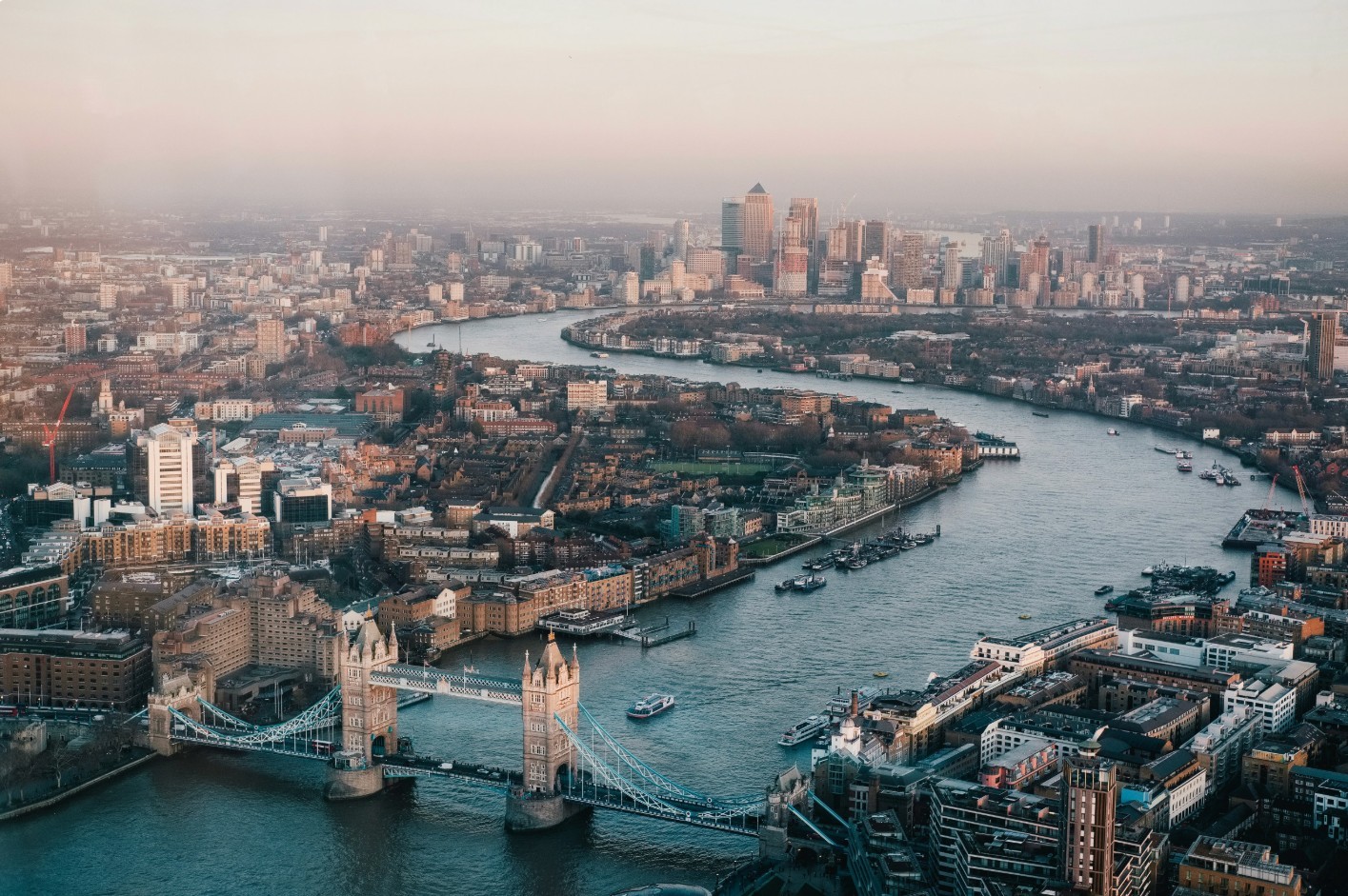
What is Inside the Houses of Parliament?
The standard tour route takes in the following spaces. The exact sequence varies slightly between tour formats, but most visitors will see all of these:
Westminster Hall: Covered in detail above. This is typically the first or near-first space you enter after security.
St Stephen's Hall: Built on the site of the medieval St Stephen's Chapel, which served as the House of Commons from 1547 to the fire of 1834. The current Hall is Victorian Gothic, its walls lined with statues of monarchs and parliamentarians. Brass floor markers show where the original commons chamber walls stood, orientating you to the space where centuries of British political history took place before the fire.
Central Lobby: The octagonal hub of the palace, where the north-south axis from the Lords to the Commons crosses the east-west public entrance axis. Decorated with mosaics representing the nations of the United Kingdom, this is where constituents traditionally came to lobby their MP (from which the political term derives). Above your head, a soaring Gothic lantern tower rises 24 metres. Central Lobby has the atmosphere of a medieval cathedral crossing, except that the figures moving through it are members of parliament, reporters, and parliamentary staff going about their daily work.
The House of Commons Chamber: The functional heart of British democracy. The chamber is famous for its relatively modest size: 14 metres wide by 23 metres long, lined with green leather benches running in two opposing banks separated by a narrow aisle said to be two sword-lengths wide, a distance maintained deliberately so that no debate can escalate into physical confrontation. The chamber you see today was built after the original was destroyed in the Blitz in May 1941. The rebuilt chamber, completed in 1950 to a design by Giles Gilbert Scott, deliberately preserved the key features of the original: the facing benches (unlike most world parliaments, which use a semicircular layout), the small scale that forces MPs to stand or sit in the aisles when the chamber is full, and the Speaker's Chair at the north end. Photographs are not allowed once you leave the adjacent area, but the view from the tour position into the chamber is memorable.
The House of Lords Chamber: Architecturally the more elaborate of the two chambers, with deep red leather benches, intricate Gothic woodwork, gilded fittings, and at the south end, the golden Sovereign's Throne on a raised dais from which the monarch delivers the King's Speech at the State Opening of Parliament. The ceiling is blue and gilded. The chamber has the quality of a throne room, which in a sense it is: the Lords have always been the more decoratively assertive of the two houses, and the contrast with the relative austerity of the Commons chamber across the lobby is a perfect visual metaphor for the constitutional relationship between the two.
The Queen's Robing Room: The room where the monarch robes before the State Opening of Parliament and processes to deliver the King's Speech. The walls are panelled with scenes from the legend of King Arthur, commissioned from William Dyce in the 1850s and among the finest examples of Victorian fresco painting in England. This room is typically included on guided tours but may be restricted depending on parliamentary schedules.
The Royal Gallery: A long, ceremonial corridor through which the Sovereign processes to the Lords Chamber. The walls are hung with two enormous paintings by Daniel Maclise: The Death of Nelson at Trafalgar and The Meeting of Wellington and Blücher at Waterloo. The Royal Gallery is occasionally used for formal addresses by visiting heads of state.
Division Lobbies: On either side of the Commons chamber are the two division lobbies through which MPs file to vote: the "Ayes" lobby for those voting in favour of a motion, and the "Noes" lobby for those voting against. The counting of bodies as members file through is still the primary method of registering a vote in the House of Commons today.
Tour of Houses of Parliament and Afternoon Tea
One of the most distinctive and consistently popular ways to visit the Houses of Parliament is to combine a standard tour with afternoon tea on the River Terrace, a private terrace on the riverside of the palace with views across the Thames toward the South Bank.
The official Parliament Afternoon Tea is a proper table-service experience with a traditional menu of finger sandwiches, scones with clotted cream and jam, pastries, and your choice of teas. The setting is one of the more unlikely tea locations in London: a Victorian riverside terrace that MPs and peers use for outdoor receptions, with the Thames directly below and the characteristic outline of the palace behind you.
How to book: When selecting your tour on the website, certain time slots will offer the afternoon tea as an add-on during checkout. Tea sits at 2:00pm and 3:45pm. To reach the 2:00pm sitting, select a guided tour starting at 12:00pm or 12:20pm, or an audio tour starting between 12:00pm and 12:40pm. For the 3:45pm sitting, select a tour starting at 1:40pm or 2:00pm (guided) or between 1:40pm and 2:20pm (audio). If the option does not appear, try a different start time before assuming it is not available.
Third-party VIP tours with afternoon tea: Several licensed tour operators offer private or small-group guided tours of the palace that culminate in afternoon tea on the River Terrace. These are typically more expensive than the official Parliament option (roughly £80 to £100 per person for the full package) but include a dedicated guide for your group and sometimes access to additional areas not included in the standard route. Book through the operator's own website or through platforms such as GetYourGuide or Viator. Verify that the operator holds current access permissions before booking.
Watching Live Debates from the House of Commons Public Gallery
One of the most underutilized and best ways to experience the Houses of Parliament is completely free: you can walk in, pass through security, and watch elected politicians debate current legislation from the public gallery in the House of Commons or House of Lords.
The important details:
It is free. There is no charge for watching debates in either chamber. You do not need a tour ticket.
No advance booking is needed for most debates. For general debates, questions sessions (other than PMQs), and committee proceedings, you simply queue at the Cromwell Green Entrance on the day. Visitor Assistants will inform you of likely wait times.
Queue times: For most debates, waits of 30 to 90 minutes are typical, depending on how high-profile the business is that day. The Lords gallery tends to have shorter queues than the Commons.
When debates happen: The House of Commons typically sits Monday from 2:30pm to around 10:30pm, Tuesday and Wednesday from 11:30am, Thursday from 9:30am. Friday sittings are occasional and less frequent. The House of Lords sits on similar weekday schedules with varying times. The parliamentary recess calendar means both Houses are closed for significant periods throughout the year; check the parliamentary calendar on parliament.uk before visiting.
Prime Minister's Questions (PMQs): PMQs runs every Wednesday when Parliament is sitting, from noon for 30 minutes. It is the most theatrical and most sought-after session in the Commons calendar, and unlike general debates it is ticketed. The practical reality for visitors is stark:
For UK residents, free tickets are available through your MP. Each MP holds only a small allocation, and constituents often wait months. Contact your MP's office as far in advance as you can and be flexible with dates.
For overseas visitors and UK residents without tickets, you can queue at the Cromwell Green Entrance and will be admitted only if space remains once ticket-holders are seated. Most visitors who queue without a ticket do not get in. A few do. If watching PMQs is important enough to queue for with no guarantee of success, arrive no later than 11:00am and ask a Visitor Assistant for a realistic read on the wait.
A more realistic alternative for anyone interested in parliamentary scrutiny is a Ministerial Question session for whichever department covers topics that interest you. You can request tickets for these in advance, they are considerably less crowded than PMQs, the debate quality is often higher, and the wait in the public queue is usually manageable.
Is Visiting the Houses of Parliament Worth It?
I've done this tour several times. It is fantastic and I'd recommend it to anyone with even a marginal interest in British politics or just government in general.
The experience consistently surprises people. The chambers feel smaller in person than they appear on television: both the Commons and the Lords have an intimacy that television obscures. Standing in the House of Commons chamber, understanding that 650 elected members fill those benches and those narrow aisles, gives a visceral sense of the pressure and theatre of British politics that no amount of television coverage or reading can replicate.
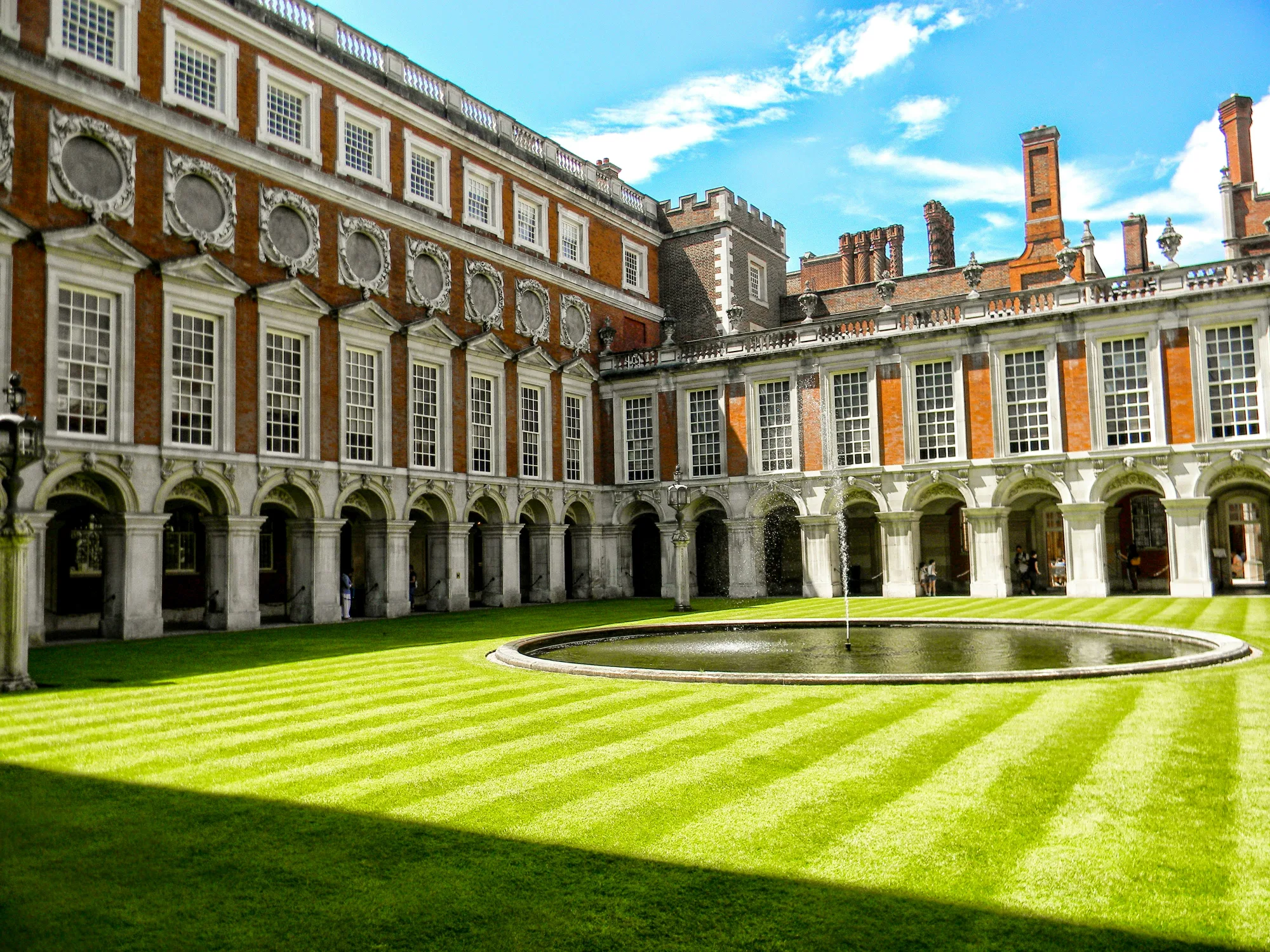
Westminster Hall alone is worth the price of a ticket. The scale, age, and the specific weight of historical events associated with it make it one of those rooms, like the Sistine Chapel or the Great Hall at Hampton Court, where knowing what has happened there changes how you experience the space physically.
The caveat is that the experience is better if you arrive knowing something about how Parliament works, what the chambers are for, and why the design of the building reflects the constitutional relationship between the Crown, the Lords, and the Commons. The guided tour delivers this context naturally. The audio tour covers it well if you engage with it. Visitors who walk through without a guide and without listening to the audio commentary sometimes find the experience confusing, with extraordinary rooms that they cannot fully decode.
I would also be honest that the photography restrictions can be a point of frustration. You can photograph Westminster Hall, St Stephen's Hall, and New Palace Yard. You cannot photograph the chambers or most other rooms. This is not negotiable and is enforced throughout. Coming to terms with this before you arrive makes the experience more enjoyable.
For families: with no separate family tour running, the audio tour is the right choice for children up to about 12. Its children's programme, with quizzes, games and a Game Hub, holds attention far better than the adult commentary, and one child comes free with each full-paying adult. There is also a free Family Trail booklet for ages 5 to 7 if your children would rather not wear a headset. The sheer scale and weight of the historical content can still be taxing for under-7s. For teenagers with any interest in politics or history, this is one of the more gripping London experiences available.
Where Should I Eat Near the Houses of Parliament
Inside the palace: The Jubilee Café is inside the palace near Westminster Hall and is open to visitors with a tour ticket. The café serves sandwiches, paninis, hot and cold drinks, pastries, and the Jubilee Cream Tea: scones with clotted cream and jam alongside a pot of tea. It is simple and reasonably priced by central London standards, and the setting inside the palace itself makes it worth using as a rest stop mid-tour. I always end up here before heading back out, partly because sitting inside the building with a coffee and looking at the Gothic stonework around you is its own small pleasure.
The River Terrace Afternoon Tea has its own section above and is the most complete dining experience available within the building.
A short walk away:
St Stephen's Tavern on Bridge Street, immediately opposite the visitor entrance, is one of the most historically significant pubs in London. MPs and parliamentary staff have used it since 1875, and a division bell once rang here so MPs could be called back to vote. The food is standard British pub fare (fish and chips, pies, burgers), unremarkable but well-executed. The location could not be more convenient.
The Cinnamon Club on Great Smith Street, around a 10-minute walk, is a celebrated Indian restaurant housed in the former Westminster Library, with a menu of elevated Indian cooking that has attracted politicians and civil servants from the surrounding government quarter for decades. Main courses run from around £25 to £40. Closed on Sundays. Booking ahead is essential and worthwhile.
Osteria dell'Angolo on Marsham Street, around 12 minutes on foot, is an Italian restaurant that draws largely on the Westminster civil service and government crowd for its regular clientele. The pasta and risotto dishes are reliable and it's comfortable without being formal. A good option for a post-tour dinner, though it opens for dinner only on Saturdays and closes on Sundays.
The Regency Café on Regency Street, around 12 minutes on foot, is a classic British greasy spoon operating since 1946 with a tiled art deco interior, a laminated menu, and a full English that justifies the short walk from Parliament. Around £10 for breakfast or lunch, cash preferred. It closes at 3:30pm and is shut on Sundays, so it works better before a tour than after one.
The Portrait by Richard Corrigan in the National Portrait Gallery on St Martin's Place (around 20 to 25 minutes on foot north via Whitehall and Trafalgar Square) occupies the gallery's fourth floor, with an open dining room looking out across Trafalgar Square and a menu of modern British cooking. Worth considering if you are making a day of it.
What Else is There to Do Near the Houses of Parliament?
The Houses of Parliament sit at the centre of the densest cluster of historically significant sites in Britain.
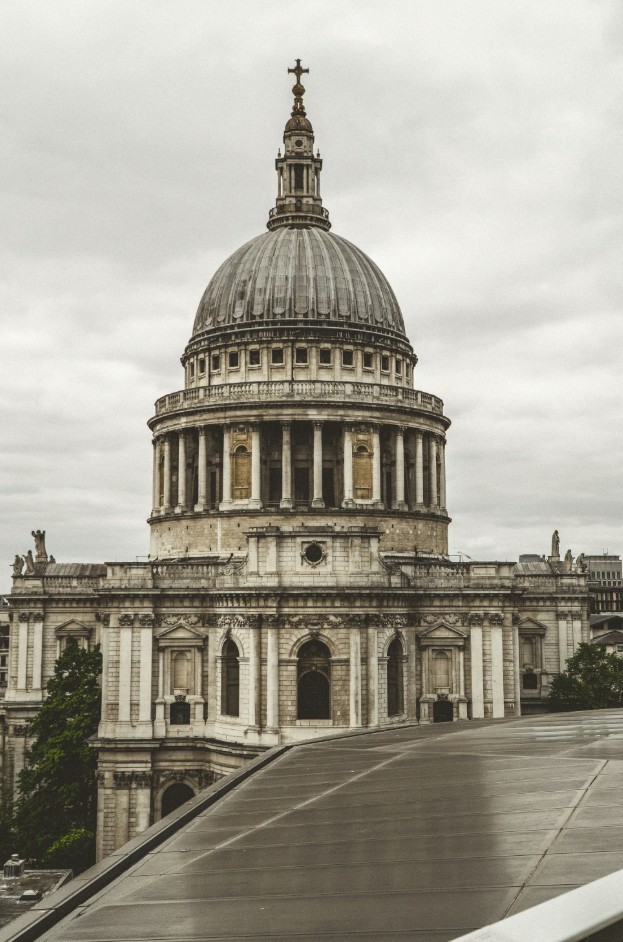
Westminster Abbey is three minutes on foot east across the road, and is the site of every coronation since 1066, the burial place of more than 30 monarchs, and a living working church. It requires a paid ticket and advance booking is recommended. Many visitors combine Westminster Abbey and the Houses of Parliament in a single full day.
Churchill War Rooms is around a five-minute walk north along Horse Guards Road, beneath the Treasury building on King Charles Street. The underground complex from which Churchill directed Britain's war effort is now one of the most compelling museums in London, operated by the Imperial War Museum. The combination of these three sites, Parliament, Westminster Abbey, and Churchill War Rooms, covers about a thousand years of British political and constitutional history within a ten-minute walk.
10 Downing Street is about a six-minute walk north along Whitehall. The famous black door and the police guard outside are visible from the public pavement at the end of Downing Street. There is no public access to the building, but seeing the entrance is part of any Westminster circuit.
The Cenotaph stands in the middle of Whitehall, a five-minute walk from Parliament, and is the UK's primary national war memorial, designed by Edwin Lutyens and completed in 1920. It is a monument of extraordinary restraint and dignity.
Jewel Tower is immediately adjacent to the south of the Houses of Parliament on Abingdon Street and is one of the few surviving parts of the medieval Palace of Westminster predating the 1834 fire. Originally built in 1365 to store Edward III's personal treasure, it is now a small English Heritage museum. Check the days before you go: it opens daily through spring and summer but drops to weekends only over the winter. A quiet and undervisited contrast to the main palace.
Victoria Tower Gardens runs alongside the Thames immediately south of the Victoria Tower, the southernmost of the palace's three towers. The gardens are free, pleasant, and contain several significant sculptures including a cast of Rodin's The Burghers of Calais and a memorial to the suffragette movement.
Lambeth Palace is directly across Lambeth Bridge to the south, around a 15-minute walk from Parliament. The official London residence of the Archbishop of Canterbury, one of the oldest inhabited buildings in London, opens for guided tours on selected dates. The view of the Houses of Parliament from the south bank of the Thames near here is one of the best in the city.
Rules, Bags, and Security
All visitors pass through airport-style security at the Cromwell Green Entrance. This is thorough and includes bag scanners, x-ray, and a possible hand search; you may be asked to remove your belt and coat. Waits average around 30 minutes, rising to about 45 minutes on Monday, Tuesday and Wednesday afternoons. The queue starts outside the building, so dress for the weather.
Bags: Maximum dimensions are 60cm x 40cm. There is no cloakroom, so everything you bring stays with you. Larger bags will not be permitted inside and cannot be stored on site. Arrive with a day bag only if possible.
Photography: Permitted only in Westminster Hall, St Stephen's Hall, and the visitor area of New Palace Yard. Photography is strictly prohibited in the House of Commons, House of Lords, all the royal rooms, and most corridors. The same rule covers video, sound recording, sketching and painting, and tripods are not allowed anywhere. This rule is consistently enforced and there are no exceptions.
What you cannot bring in: Knives of any kind, scissors and cutlery, screwdrivers and tools, padlocks, chains and climbing gear, whistles and other noise-makers, banners, placards and flags, and open liquids or semi-liquid foods (sealed water, baby milk and baby food are fine). Political or offensive slogan material is also refused, and that includes clothing, so save the protest t-shirt for another day. Restricted items are held at the entrance where you were screened and returned as you leave.
Children: Children under 5 are free but require a ticket. The guided tour is not recommended for under-5s due to duration and walking distance, though all ages are permitted. The multimedia audio tour, with its dedicated children's programme, is a better option if you have young children.
Guide dogs and assistance animals: Welcome throughout the building, and staff will bring a bowl of water on request. Emailing the visitor services team ahead of your visit avoids delays at the entrance.
Accessibility at the Houses of Parliament
The Houses of Parliament have invested significantly in accessibility, and the majority of the tour route is step-free via lifts and ramps. However, the historic nature of the building means some areas cannot be fully adapted.
Disabled visitors receive free companion tickets. Wheelchairs are not available to borrow on site, so visitors who use a wheelchair should bring their own or make advance arrangements.
The multimedia guide is available in British Sign Language with subtitles. An audio-descriptive version is also available for blind or partially-sighted visitors.
Accessible toilets are available within the building.
Note: Some third-party operators offering private tours of the palace state that visitors with wheelchairs or strollers cannot be accommodated on their specific tours due to access constraints in certain areas. If using a third-party operator, verify accessibility arrangements before booking.
Final Tips for Visiting the Houses of Parliament
Book in advance. Guided tours in particular sell out on Saturdays and during popular periods. On-the-day availability is not guaranteed, and booking early costs less.
Check the parliamentary calendar before you book. If Parliament is sitting during the week you plan to visit, weekday access is limited and tours may be partial. If your preferred date falls during a recess, you will have the fullest access and the widest choice of time slots.
Arrive at least 20 minutes before your tour time, and 45 at busy periods. Security waits average around half an hour and are longest on Monday, Tuesday and Wednesday afternoons. If you miss your tour slot due to late arrival, there is no refund and no guarantee of access to the next slot.
The audio tour is the more flexible option; the guided tour is the richer one. If you have a real interest in British history and politics, pay the extra for the guided tour. If you have children or prefer your own pace, the audio tour with its children's content is excellent value.
Photography: Westminster Hall, St Stephen's Hall, and New Palace Yard only. This rule is consistently enforced, and it covers sketching and sound recording too. Make your peace with it before you arrive and you will enjoy the experience considerably more than visitors who spend it frustrated.
PMQs is ticketed and extremely difficult to access without a UK MP arranging tickets. If you are a UK resident who can plan many months ahead, contact your MP now. If you cannot, consider a departmental questions session instead: you can request tickets in advance, the queue is much shorter, and the parliamentary debate is just as substantive.
Watching free debates from the public gallery is one of London's most underrated experiences. If Parliament is sitting during your visit, arriving at the Cromwell Green Entrance on any weekday afternoon and queuing for the public gallery is free, straightforward, and often moving, particularly if something consequential is being debated.
Westminster Hall is where your visit will linger longest. You can photograph it. Take your time here.
The Jewel Tower immediately next door is often overlooked. The one surviving medieval fragment of the pre-1834 palace, it costs a few pounds to enter and takes 20 minutes. A worthwhile add-on if this kind of layered history interests you.
For UK residents, the free MP-arranged tour is the gold standard. Free, guided by an official Parliament guide, and covering everything the paid tour covers. The wait is long. Start the process early.
Back to London Attractions
Explore other London attractions
" width="24px"><path d="M 0 0 L 24 0 L 24 21.231 L 0 21.231 Z" fill="transparent" height="21.230768474975793px" id="nL2EwDcS9" width="24px"/><path d="M 0 0.541 C 0 0.242 0.245 0 0.547 0 L 2.735 0 C 3.037 0 3.282 0.242 3.282 0.541 L 3.282 4.598 C 3.282 4.897 3.037 5.139 2.735 5.139 L 0.547 5.139 C 0.245 5.139 0 4.897 0 4.598 Z" fill="rgb(196, 217, 201)" height="5.138657337892187px" id="hZ_rlBe_S" transform="translate(0 16.092)" width="3.2820512820512358px"/><path d="M 0 0.541 C 0 0.242 0.245 0 0.547 0 L 2.735 0 C 3.037 0 3.282 0.242 3.282 0.541 L 3.282 7.843 C 3.282 8.142 3.037 8.384 2.735 8.384 L 0.547 8.384 C 0.245 8.384 0 8.142 0 7.843 Z" fill="rgb(230, 211, 160)" height="8.38412513024521px" id="HgVBxIz3e" transform="translate(5.128 12.847)" width="3.282051282051235px"/><path d="M 0 0.541 C 0 0.242 0.245 0 0.547 0 L 2.735 0 C 3.037 0 3.282 0.242 3.282 0.541 L 3.282 12.982 C 3.282 13.281 3.037 13.523 2.735 13.523 L 0.547 13.523 C 0.245 13.523 0 13.281 0 12.982 Z" fill="rgb(232, 207, 164)" height="13.522782468137464px" id="utgrDnoM9" transform="translate(10.325 7.708)" width="3.282051282051377px"/><path d="M 0 0.541 C 0 0.242 0.245 0 0.547 0 L 2.735 0 C 3.037 0 3.282 0.242 3.282 0.541 L 3.282 16.498 C 3.282 16.797 3.037 17.039 2.735 17.039 L 0.547 17.039 C 0.245 17.039 0 16.797 0 16.498 Z" fill="rgb(233, 196, 166)" height="17.038705909853153px" id="OLOhW6STz" transform="translate(15.521 4.192)" width="3.2820512820512384px"/><path d="M 0 0.541 C 0 0.242 0.245 0 0.547 0 L 2.735 0 C 3.037 0 3.282 0.242 3.282 0.541 L 3.282 20.69 C 3.282 20.989 3.037 21.231 2.735 21.231 L 0.547 21.231 C 0.245 21.231 0 20.989 0 20.69 Z" fill="rgb(217, 170, 153)" height="21.230768474975793px" id="H5Z8wcwkd" transform="translate(20.718 0)" width="3.2820512820512278px"/></g></svg>)