Back to London Attractions
How Far in Advance to Get Tickets to the Courtauld Gallery in London
Updated March 2026
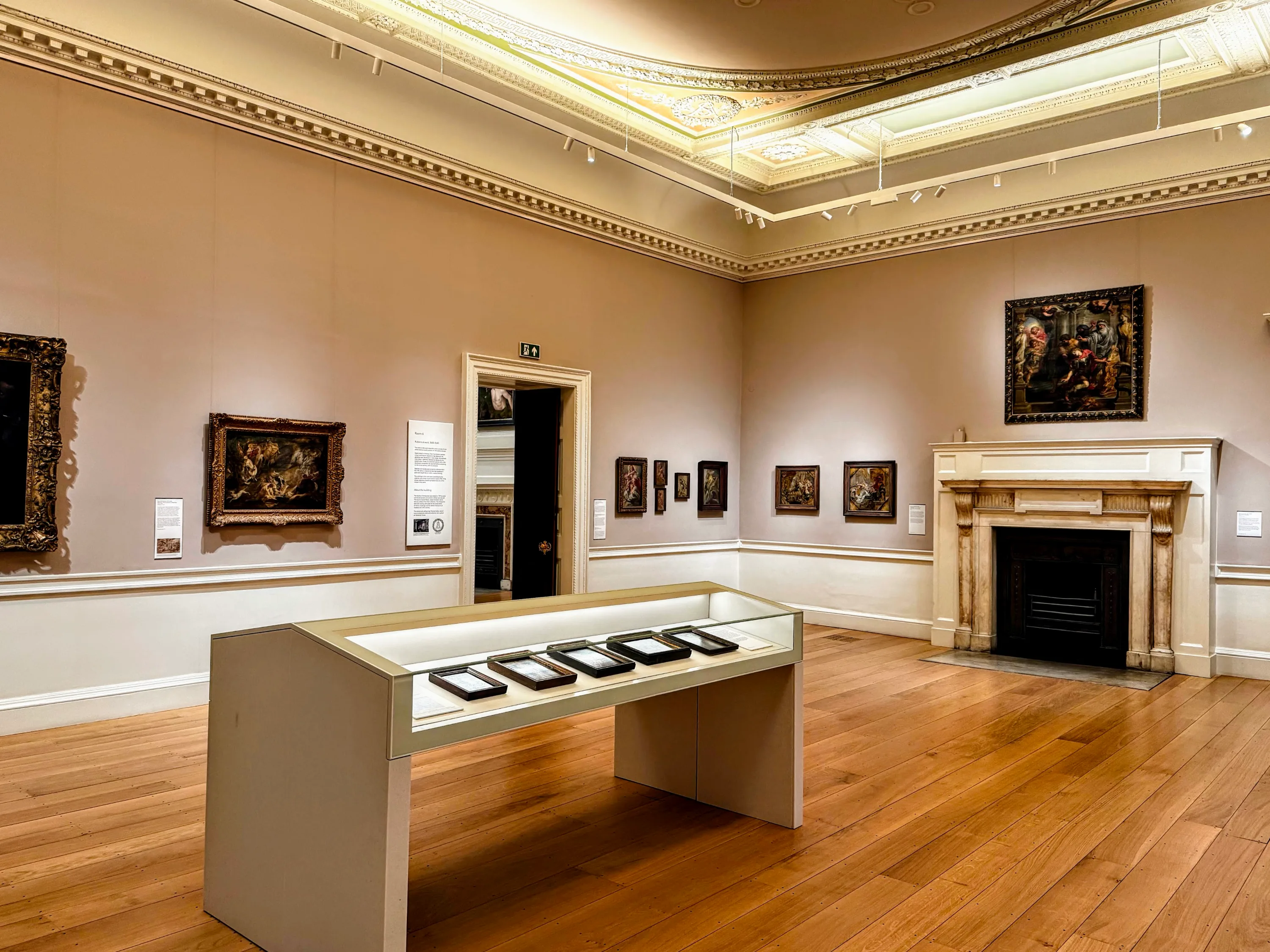
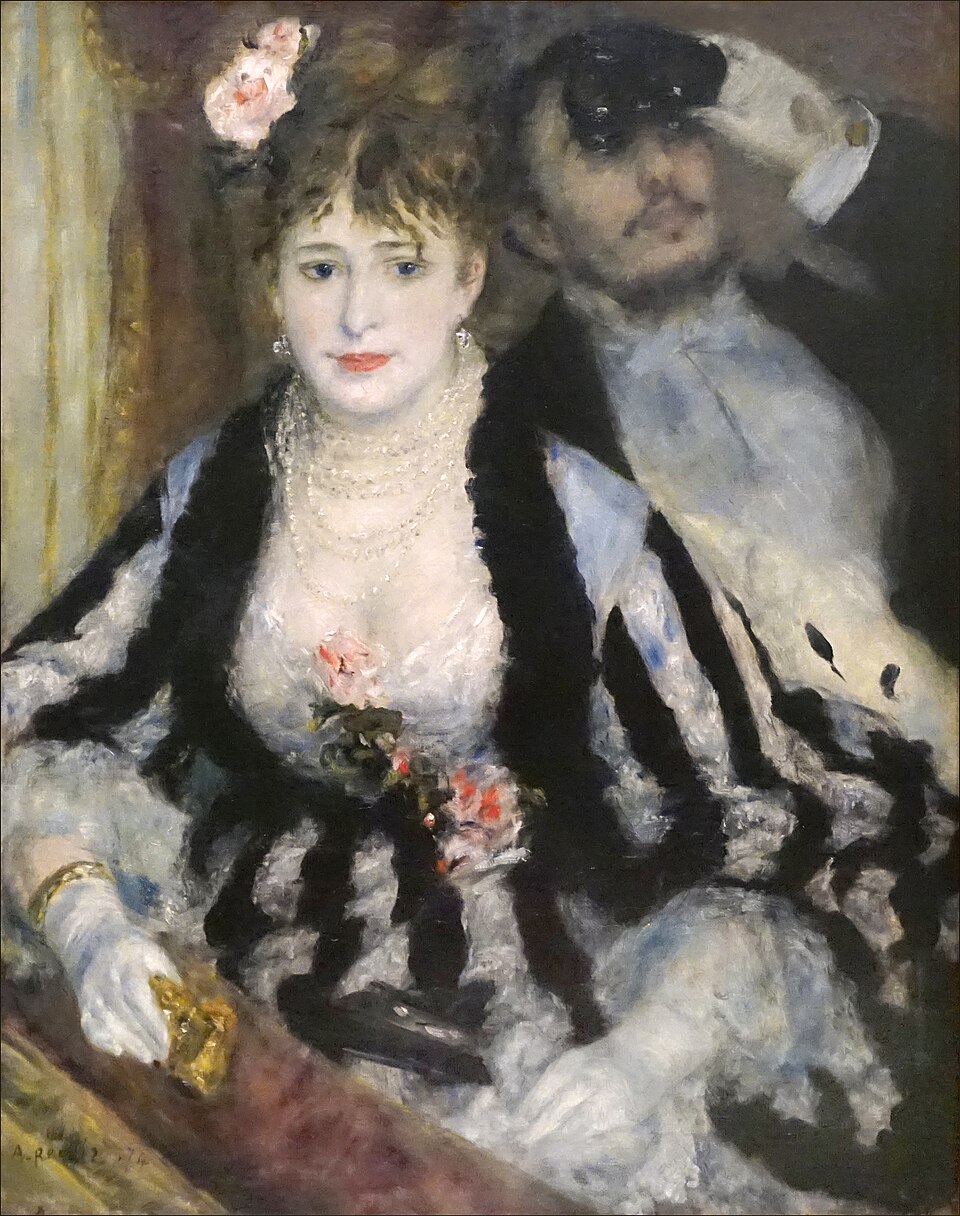
I've been personally surprised by how few people have heard of the Courtauld Gallery, considering the number of well-known paintings it houses. Set within the magnificent neoclassical courtyard of Somerset House on the Strand, the Courtauld Gallery is one of London's most underrated museums. Founded in 1932 by the textile magnate and passionate collector Samuel Courtauld, it houses one of the greatest collections of Impressionist and Post-Impressionist paintings in the world, displayed alongside outstanding works from the medieval period to the 20th century, all within a gallery that is intimate and human in scale in a way that the city's larger institutions are not. Manet's A Bar at the Folies-Bergère, Van Gogh's Self-Portrait with Bandaged Ear, Renoir's Theatre Box, Cézanne's The Card Players: these are not secondary examples of their artists' work but defining masterpieces, and they hang here at eye level in rooms you can explore without fighting crowds. Following a major £57 million restoration completed in 2021, the gallery is more beautiful than ever, and its annual programme of focused temporary exhibitions consistently sets the standard for art shows in London. For visitors who find the scale of the National Gallery or the Tate overwhelming, the Courtauld offers everything a great gallery should, at exactly the right size.
At a Glance
How Early to Book:
For the permanent collection, we recommend buying tickets online 1-2 days ahead of time to guarantee entry and ensure there are not any long queues. Special exhibits may require booking further ahead.
Best Times to Visit:
Weekday mornings around 10am, particularly Tuesday through Thursday, will be the least busy.
Ticket price:
£12 for adults. Special exhibits may cost more.
Where to Book:
Museum Address:
Do You Need to Book Courtauld Gallery Tickets in Advance?
For the permanent collection, advance booking is not strictly required. Tickets can be purchased on the day at the gallery's ticket desk, and the Courtauld is rarely so crowded that walk-up visitors face significant queues. This makes it one of the more relaxed major London galleries to visit spontaneously.
That said, buying tickets online in advance is recommended during busy periods and when a major temporary exhibition is running, as these can drive significantly higher visitor numbers.
The National Art Pass (Art Fund card) gives free entry to the permanent collection. However, it does not give reduced-price or free entry to the main temporary exhibitions in the Denise Coates Exhibition Galleries. This is worth knowing if you hold a National Art Pass and are planning to see a specific show.
The London Pass covers entry to the Courtauld Gallery (you can read our blog post about the London Pass here).
Rachel Jones's site-specific commissions in the John Browne Entrance Hall and Ticketing Hall are free to visit with no ticket required, and are worth seeing on their own terms even if you are not visiting the main galleries.
Opening Hours and Entry Information
The Courtauld Gallery is open Monday to Sunday, 10:00am to 6:00pm, with last entry at 5:15pm. It is open seven days a week throughout the year.
The gallery is closed on 24, 25, and 26 December. Occasional additional closures may apply for private events or maintenance; the website lists any planned closures in advance.
The Courtauld Shop is open daily from 10:00am to 6:00pm and does not require a gallery ticket to enter.
What is the Best Way to Get to the Courtauld Gallery?
The gallery occupies the North Wing of Somerset House on the Strand, and is very well served by public transport from all parts of central London.
By Tube: The nearest stations are Temple (Circle and District lines), around a five-minute walk across the Strand, and Covent Garden (Piccadilly line), around a ten-minute walk to the north-west. Charing Cross (Bakerloo and Northern lines) is around ten minutes on foot to the west. Note that Temple station is closed on Sundays, so on Sundays the best options are Covent Garden or Charing Cross.
By Train: Charing Cross mainline station is approximately ten minutes on foot and connects to south-east London and Kent. Waterloo is around 15 minutes across Waterloo Bridge and is useful for those arriving from south-west London and beyond.
By Bus: The Strand is served by numerous bus routes including the 1, 4, 26, 59, 68, 76, 168, 171, 172, 176, and 188, with stops at Aldwych and Somerset House. The area is one of the best-connected in London for bus services.
On foot: The Courtauld is walkable from Trafalgar Square (around 10 minutes), Covent Garden (around 10 minutes), the South Bank via Waterloo Bridge (around 15 minutes), and the Inns of Court (just a few minutes). The approach from Trafalgar Square along the Strand, with Somerset House appearing on your left, is a very pleasant walk.
By car: Driving is strongly discouraged. The Strand is heavily trafficked, parking in the area is extremely limited and expensive, and the area falls within the Congestion Charge zone. Public transport is significantly faster and less stressful from almost anywhere in London.
What is the Best Time to Visit the Courtauld Gallery?
The Courtauld's relatively compact scale means it almost never reaches the saturation point that larger London galleries can hit. However, some periods are noticeably more comfortable than others.
Weekday mornings from Tuesday to Friday are the quietest time to visit. Arriving at or shortly after opening at 10:00am on a Wednesday or Thursday gives you the permanent collection in near-solitude, which is the ideal way to experience the Impressionist rooms. The gallery gets busier from late morning onwards, and weekend afternoons see the highest concentrations of visitors.
School holidays bring more families and school groups to Somerset House, though the Courtauld itself remains manageable compared to the Natural History Museum or the British Museum at similar times.
Somerset House's courtyard is worth factoring into your planning. In winter, it hosts a popular ice rink. In summer, it becomes an open-air venue for events, films, and concerts. Timing a Courtauld visit to coincide with an evening event in the courtyard makes for a particularly satisfying day out.
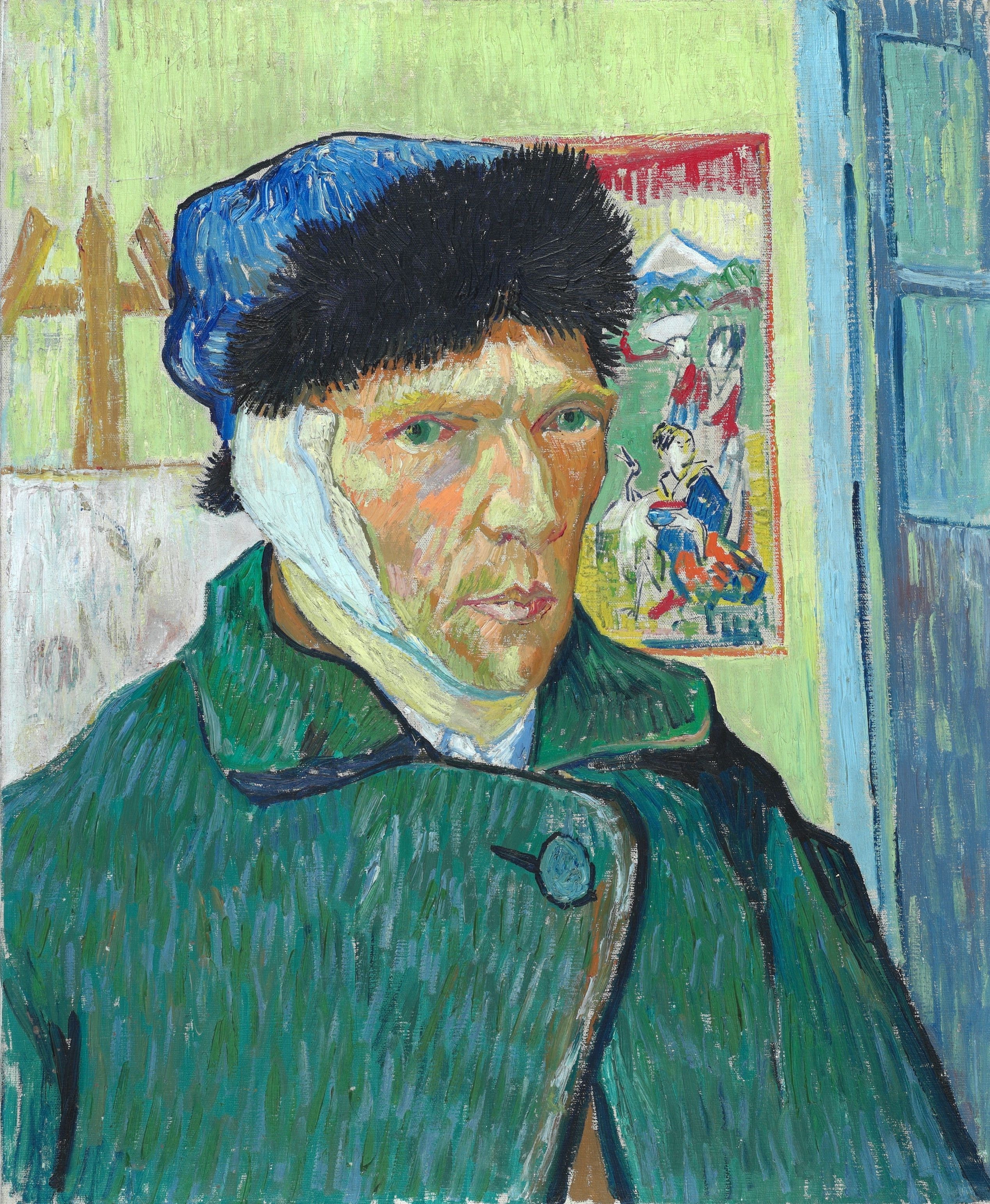
Van Gogh's Self-Portrait With Bandaged Ear is one of the many instantaneously recognizable pieces of art featured in the Courtauld Gallery. In actuality, Van Gogh sliced his left ear, but he used a mirror to paint this self portrait which depicts his right ear bandaged.
Is the Courtauld Gallery Worth Visiting?
For anyone with an interest in Impressionism, the answer is an unqualified yes, but the Courtauld is worth visiting for reasons that extend well beyond its famous paintings. This is a gallery that has thought carefully about how to display art and how to create an experience, and the result is something that feels fundamentally different from the large national collections.
The Impressionist and Post-Impressionist rooms, housed in the spectacularly restored LVMH Great Room (London's oldest purpose-built exhibition space, dating from 1780), contain works that rank among the most significant of their kind anywhere in the world. Manet's A Bar at the Folies-Bergère, painted in 1882 and displaying the artist's extraordinary ability to capture modern Parisian life in a single ambiguous gaze, is one of the most discussed paintings in art history and hangs here in a room where you can stand in front of it undisturbed. Van Gogh's Self-Portrait with Bandaged Ear, painted days after the incident in Arles, is similarly arresting at close quarters.
The Blavatnik Fine Rooms on the second floor contain outstanding works from the Renaissance through the 18th century, including Botticelli's The Trinity with Saints, works by Rubens and Rembrandt, and a remarkable collection of medieval devotional objects. The Bloomsbury Group rooms and the 20th-century galleries round out a collection that manages to feel coherent and purposeful throughout, the product of connoisseurship rather than accumulation.
The building itself, with its gilded staircase, restored plasterwork, and views over the Thames from the upper rooms, is also worth attention in its own right.
How Much Time Should I Spend at the Courtauld Gallery?
The Courtauld is one of London's most manageable major galleries in terms of scale. A thorough visit to the permanent collection takes one and a half to two hours at a comfortable pace, and the experience never becomes exhausting in the way that a full day at the British Museum can.
If a temporary exhibition is running and you plan to see it, allow an additional 45 minutes to an hour depending on the size of the show. Including time in the Courtauld Shop and the Art Café, a morning or afternoon visit of three hours covers the full experience comfortably.
The gallery's compact size is one of its key virtues. It is the right choice on days when you want an enriching cultural experience without committing to the marathon of a larger institution.
Guided Tours and Audio Guides
The Courtauld offers a programme of free guided tours and talks for visitors, which vary by season and current exhibition. These are one of the most valuable aspects of a Courtauld visit, given the depth of curatorial and academic expertise the gallery can draw on as part of the Courtauld Institute of Art. Check the What's On section of the website for the current schedule, as dates and themes change regularly.
Multimedia guides are available for hire within the gallery. These cover the highlights of the permanent collection and selected rooms and objects, and are a useful option for visitors who want context and commentary as they move through the galleries.
The Courtauld also runs a rich programme of lectures, study days, and evening events associated with its exhibitions and permanent collection, drawing on the academic resources of the Institute. Many are open to the public and some are free; the full programme is listed on the website and is worth checking before your visit if you have a specific interest in any of the works or themes on display.
Temporary Exhibitions
The Courtauld's temporary exhibition programme is one of the most admired in London, consistently producing focused, research-driven shows that illuminate specific aspects of art history with a depth that larger institutions rarely match. The gallery has a particular strength for Impressionist and Post-Impressionist subjects, though its programme ranges freely across periods and media.
Temporary exhibition tickets are priced separately from standard gallery admission and must be booked in advance for popular shows. Note that the National Art Pass does not cover reduced entry to the main Denise Coates Exhibition Galleries shows. Check the Courtauld website for current exhibition pricing.
Where Should I Eat at and Near the Courtauld Gallery?
The Art Café (formerly the Courtauld Café) is the on-site dining option, located on the ground floor across from the gallery entrance. It is open Monday to Saturday from 10:00am to 6:00pm and until 5:00pm on Sundays. The café serves coffee, cakes, sandwiches, soups, and salads in a relaxed setting, and no gallery ticket is required to use it. Afternoon tea is available from 3:00pm and can be a pleasant treat after a visit.
For better dining options, Somerset House itself and the immediately surrounding area offer a good range of choices. Café Petiole, within Somerset House's courtyard, is regularly cited as a stronger option than the gallery café for food quality and value. Somerset House also contains several other cafés and restaurants serving the complex's event visitors.
For a quick, high-quality lunch, the Courtauld's neighbourhood on the Strand and around the Aldwych has several reliable options. Barrafina on Adelaide Street in Covent Garden is one of London's finest tapas restaurants, and the queue-based entry system makes it accessible without a reservation.
Other options in the area include the Art Deco American Bar and the Savoy Grill within the Savoy Hotel. More affordable options cluster around Covent Garden, around ten minutes on foot, with a wide range of restaurants and cafés across all price points in and around the piazza and the surrounding streets.
The South Bank, accessible in around 15 minutes via Waterloo Bridge, offers riverside dining and cafés from Waterloo to Borough Market. Flat Iron Square and the area around Borough are particularly strong for independent restaurants and street food.
Accessibility at the Courtauld Gallery
The Courtauld Gallery is fully accessible to wheelchair users and visitors with mobility difficulties, with step-free access throughout the building including all gallery floors. Lifts serve all levels.
The main entrance to the gallery is via Somerset House's courtyard, accessed from the Strand through the central arch or through the Embankment entrance on the south side of the building. Both are step-free. Blue Badge parking bays are available in the immediate vicinity of Somerset House on the Strand.
Large-print guides and other accessibility resources are available on request. The gallery welcomes visitors with assistance dogs.
Rules, Bags, and Security
The Courtauld Gallery is a relatively relaxed environment with straightforward rules.
Photography for personal, non-commercial use is permitted throughout the permanent collection galleries. Photography rules for temporary exhibitions vary by show and are displayed at the exhibition entrance. Flash photography is not permitted.
Bags can be brought into the gallery but large rucksacks may need to be carried in front of or at the side of the body in busier gallery spaces to avoid accidental contact with artworks. There is a cloakroom available for coats and bags near the entrance.
Food and drink are not permitted in the galleries. The Art Café and the courtyard of Somerset House are the designated eating areas.
Sketching with pencil is welcomed throughout the permanent collection, and the gallery actively encourages visitors to draw. Art materials other than pencil should not be used in the galleries.
What Else is There to Do Near the Courtauld Gallery?
Somerset House itself is a destination that extends well beyond the Courtauld Gallery. The central courtyard hosts an ice rink in winter (November to January) and an outdoor cinema, live music events, and festivals in the summer months. The building also contains the Embankment Galleries, which host photography and design exhibitions throughout the year.
The National Gallery at Trafalgar Square, around ten minutes on foot, houses one of the world's greatest collections of European painting and is free to enter. The contrast between the Courtauld's intimate focus and the National Gallery's encyclopaedic sweep is a fascinating one, and the two galleries complement each other well.
The National Portrait Gallery, also at Trafalgar Square, is another ten-minute walk and offers a compelling companion experience for those interested in the human subjects behind the painted record.
The Sir John Soane's Museum in Lincoln's Inn Fields, around 15 minutes on foot through the Inns of Court, is one of London's most extraordinary and underrated attractions: the preserved home and collection of the architect Sir John Soane, including Hogarth's Rake's Progress series, displayed exactly as Soane arranged it. Entry is free.
Covent Garden, around ten minutes north, has the London Transport Museum (excellent and underrated), the Royal Opera House, independent shops, and a wide range of restaurants and cafés.
The South Bank, across Waterloo Bridge, offers Tate Modern (free), the National Theatre, the BFI, and the riverside walk to Borough Market and beyond.
Final Tips for Visiting the Courtauld Gallery
The National Art Pass covers the permanent collection but not the main temporary exhibitions. If you are holding one, factor this into your budgeting when planning to see a show in the Denise Coates Exhibition Galleries.
Allow time to look slowly. The Courtauld's greatest asset is that its scale allows you to stand in front of a Manet or a Van Gogh for as long as you want without being jostled or managed. Use that freedom. The permanent collection rewards a slow, close look far more than a quick circuit.
Do not overlook the medieval and Renaissance rooms. The Impressionists are the headline act, but the Blavatnik Fine Rooms on the second floor contain extraordinary works that receive a fraction of the attention. Botticelli, Cranach, and Rubens are all represented here at a level of quality that would be headline attractions in many other institutions.
Check the events programme. The Courtauld runs a remarkably rich programme of public lectures, study days, and guided talks, many of which are free. If any of the exhibition themes interest you, there is almost certainly a public event worth attending.
Combine with Somerset House. The courtyard, the Embankment Galleries, and the riverside terrace make Somerset House a destination in its own right, and timing a Courtauld visit to coincide with something happening in the wider complex makes for a particularly satisfying day out.
Back to London Attractions
Explore other London attractions
" width="24px"><path d="M 0 0 L 24 0 L 24 21.231 L 0 21.231 Z" fill="transparent" height="21.230768474975793px" id="nL2EwDcS9" width="24px"/><path d="M 0 0.541 C 0 0.242 0.245 0 0.547 0 L 2.735 0 C 3.037 0 3.282 0.242 3.282 0.541 L 3.282 4.598 C 3.282 4.897 3.037 5.139 2.735 5.139 L 0.547 5.139 C 0.245 5.139 0 4.897 0 4.598 Z" fill="rgb(196, 217, 201)" height="5.138657337892187px" id="hZ_rlBe_S" transform="translate(0 16.092)" width="3.2820512820512358px"/><path d="M 0 0.541 C 0 0.242 0.245 0 0.547 0 L 2.735 0 C 3.037 0 3.282 0.242 3.282 0.541 L 3.282 7.843 C 3.282 8.142 3.037 8.384 2.735 8.384 L 0.547 8.384 C 0.245 8.384 0 8.142 0 7.843 Z" fill="rgb(230, 211, 160)" height="8.38412513024521px" id="HgVBxIz3e" transform="translate(5.128 12.847)" width="3.282051282051235px"/><path d="M 0 0.541 C 0 0.242 0.245 0 0.547 0 L 2.735 0 C 3.037 0 3.282 0.242 3.282 0.541 L 3.282 12.982 C 3.282 13.281 3.037 13.523 2.735 13.523 L 0.547 13.523 C 0.245 13.523 0 13.281 0 12.982 Z" fill="rgb(232, 207, 164)" height="13.522782468137464px" id="utgrDnoM9" transform="translate(10.325 7.708)" width="3.282051282051377px"/><path d="M 0 0.541 C 0 0.242 0.245 0 0.547 0 L 2.735 0 C 3.037 0 3.282 0.242 3.282 0.541 L 3.282 16.498 C 3.282 16.797 3.037 17.039 2.735 17.039 L 0.547 17.039 C 0.245 17.039 0 16.797 0 16.498 Z" fill="rgb(233, 196, 166)" height="17.038705909853153px" id="OLOhW6STz" transform="translate(15.521 4.192)" width="3.2820512820512384px"/><path d="M 0 0.541 C 0 0.242 0.245 0 0.547 0 L 2.735 0 C 3.037 0 3.282 0.242 3.282 0.541 L 3.282 20.69 C 3.282 20.989 3.037 21.231 2.735 21.231 L 0.547 21.231 C 0.245 21.231 0 20.989 0 20.69 Z" fill="rgb(217, 170, 153)" height="21.230768474975793px" id="H5Z8wcwkd" transform="translate(20.718 0)" width="3.2820512820512278px"/></g></svg>)