Back to London Attractions
Pro tip: The extended hours on Friday and Saturday evenings are one of the Tate Modern's best kept secrets. It's a great time to visit the museum with fewer crowds.
How Far in Advance to Book Tickets to the Tate Modern in London
Updated August 2026
Tate Modern is one of the world's great modern art museums, housed in the vast brick shell of a former Bankside power station on the south bank of the Thames. Since opening in May 2000, it has become one of the most visited cultural institutions on the planet, drawing around five million visitors a year with its ever-changing programme of exhibitions, a permanent collection that spans painting, sculpture, film, installation, and performance from 1900 to the present day, and one of the most dramatic interior spaces in London. For most visitors, entry is completely free. But knowing how the ticketing works, and when advance booking matters, will make a significant difference to your day.
At a Glance
How Early to Book:
There is no need to book tickets in advance to the Tate Modern for the permanent collection. Visitors can simply walk right in without a ticket.
Best Times to Visit:
Weekday mornings from 10am to noon will have the smallest crowds. The extended hours from 6pm to 9pm on Friday and Saturday evenings are also a great time to visit.
Ticket price:
The museum is free of charge for the permanent collection. Special exhibits may cost extra.
Museum Website:
Museum Address:
Do You Need to Book Tate Modern Tickets in Advance?
This depends entirely on what you plan to see, and it is the most important question to answer before you arrive.
Entry to the permanent collection is free for everyone and requires no booking whatsoever. You can walk in off the street during opening hours and spend as long as you like exploring the galleries, the Turbine Hall, and the Tanks without a reservation or a ticket. No timed slot, no queue for entry.
Temporary exhibitions are a different matter. Tate Modern runs a year-round programme of major ticketed exhibitions, and these require advance booking. For high-profile shows, tickets can sell out days or weeks in advance, particularly for popular weekend time slots. If a specific temporary exhibition is the main reason for your visit, booking online as soon as you know your travel dates is strongly recommended. Exhibition tickets are timed, with 15-minute entry slots, and once you leave an exhibition you cannot re-enter on the same ticket, so plan to see it in one visit. Last entry to any exhibition is normally one hour before the gallery closes.
How to book exhibition tickets: Visit the official Tate website and go to the What's On section. Select the exhibition you want to see and follow the booking steps. You will receive PDF tickets by email. Tickets can be shown on a phone or printed. The ticket desk inside the gallery also sells exhibition tickets on the day, but availability is not guaranteed for popular shows.
Ticket prices for temporary exhibitions vary by show but typically start from around £14 to £22 for adults. Check the Tate website for current pricing as each exhibition has its own price point.
The Turbine Hall commission is always free. Each year Tate Modern commissions an artist to create a major new work for the vast Turbine Hall, and these installations are among the most talked-about cultural events in London. No ticket or booking is ever required.
Tate Modern Opening Hours and Entry Information
Sunday to Thursday: 10:00am to 6:00pm
Friday and Saturday: 10:00am to 9:00pm
Closed: 24, 25 and 26 December
The extended Friday and Saturday evening hours are one of Tate Modern's best-kept secrets. The galleries are noticeably quieter after 6:00pm on these evenings, and the building takes on a different atmosphere entirely.
Entry to the permanent collection galleries is free and untimed. You can arrive at any point during opening hours. Bags are checked on arrival, so allow a few extra minutes for security.
The ticket desks inside close 45 minutes before the gallery closes, so if you need to purchase exhibition tickets on the day, do not leave it too late.

What is the Best Way to Get to Tate Modern?
Tate Modern sits on the South Bank of the Thames at Bankside and is well connected across central London.
By Tube: Southwark (Jubilee line) is the closest Underground station, around a 10-minute walk. Blackfriars (District and Circle lines, also National Rail) is a similar distance on the other side and has step-free access. London Bridge (Northern and Jubilee lines) is around a 15-minute walk along the South Bank.
By train: Blackfriars and London Bridge National Rail stations are both within walking distance and serve routes from across London and the south of England.
On foot across the Millennium Bridge: One of the best ways to arrive at Tate Modern is on foot across the Millennium Bridge from St Paul's Cathedral on the north bank. The walk takes around five minutes and the view of the Tate's chimney rising above the Thames is iconic. It is also entirely free.
By bus: Routes 40, 63, and 100 stop on Blackfriars Bridge Road. Route 381 stops on Southwark Street. Route 344 stops on Southwark Bridge Road.
By bike: Santander Cycle docking stations are located at New Globe Walk (320m), Sumner Street (320m), and Southwark Street (480m). Bike parking is also available on Holland Street and New Globe Walk.
By riverboat: Thames Clippers stop at Bankside Pier, right alongside the gallery. Arriving by boat from Westminster, Embankment, or Canary Wharf is a scenic and enjoyable option.
Driving is not recommended. Parking in this part of central London is very limited and expensive.
How Much Time Should I Spend at Tate Modern?
Tate Modern is a large building spread across two connected structures: the original Boiler House (now the Natalie Bell Building) and the newer Blavatnik Building, which opened in 2016. Together they offer a huge amount to explore.
For a first visit covering the permanent collection highlights and the Turbine Hall, two to three hours is a reasonable estimate. Art enthusiasts and those who like to read exhibition notes carefully could easily spend a full day.
If you are visiting a temporary exhibition on top of the free collection, add one to one and a half hours for the exhibition itself.
Key areas to factor into your time:
The Turbine Hall: The scale of this space alone is worth 20 to 30 minutes of exploration, particularly when there is a major commission installed.
The Tanks: Underground oil tanks converted into a dedicated performance and moving image space. Often free, frequently extraordinary.
The Blavatnik Building viewing level: The top floor offers sweeping views over the Thames and St Paul's Cathedral. Free to access.
Temporary exhibitions: Typically an hour to 90 minutes for a thorough visit.
What is the Best Time to Visit Tate Modern?
Best time of day: Weekday mornings, particularly from opening at 10:00am until around noon, are the quietest. For free-collection visits, arriving just after opening on a Tuesday, Wednesday, or Thursday is ideal.
Friday and Saturday evenings (from 6:00pm to 9:00pm) make for a lovely time for a visit. The galleries are open late but crowd levels drop significantly, and the atmosphere is relaxed and unhurried.
Weekends between 11:00am and 3:00pm are the busiest windows of the week. The Turbine Hall in particular can feel very crowded on a Saturday afternoon.
Temporary exhibitions draw the biggest crowds on weekends and in the final weeks before they close. If you want to see a popular show without queuing, book a weekday morning time slot.
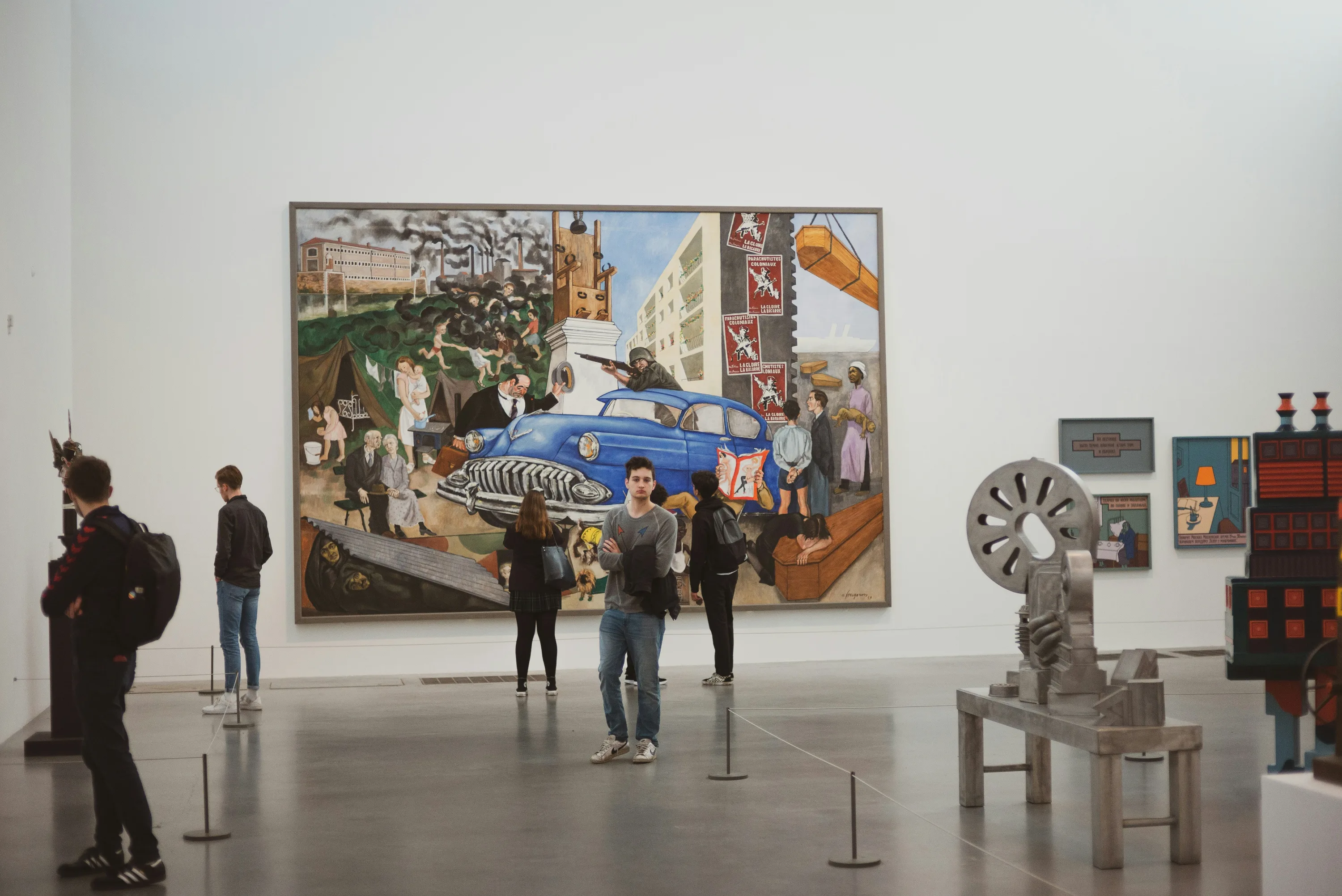
The Tate Modern is housed in the repurposed Bankside Power Station on the South Bank. It features a massive central Turbine Hall and a distinct 99-meter chimney, and opened in 2000. a massive central Turbine Hall and a distinct 99-meter chimney, having opened in 2000. A 2016 extension added the angular Blavatnik Building, doubling the museum's exhibition space.
What is Inside Tate Modern?
The Turbine Hall is the first thing you encounter on entering from the main riverside entrance, and it sets the tone for everything that follows. The cathedral-like space (152 metres long, 35 metres high) is the home of the annual Hyundai Commission, in which a major artist is invited to create a new work responding to the building. Past commissions have included Olafur Eliasson's The Weather Project, Louise Bourgeois's Maman spider sculptures, and Ai Weiwei's Sunflower Seeds. The current commission is always free and always worth seeing.
The permanent collection galleries are spread across both buildings and organised thematically rather than chronologically. You will find major works by Pablo Picasso, Henri Matisse, Mark Rothko, Salvador Dalí, Marcel Duchamp, Yayoi Kusama, Andy Warhol, and many others, displayed alongside installation, film, photography, and performance-based work. The hang changes periodically, so even returning visitors encounter new arrangements.
The Tanks are three former oil tanks beneath the Boiler House, converted into circular performance spaces and galleries for film, sound, and live art. Free to enter, they host some of the most adventurous programming in the building.
Temporary exhibitions in the dedicated gallery spaces on the upper floors cover both major retrospectives and thematic group shows. These are where Tate Modern makes its biggest critical statements, and they are typically the most photographed and talked-about exhibitions in London when they are on.
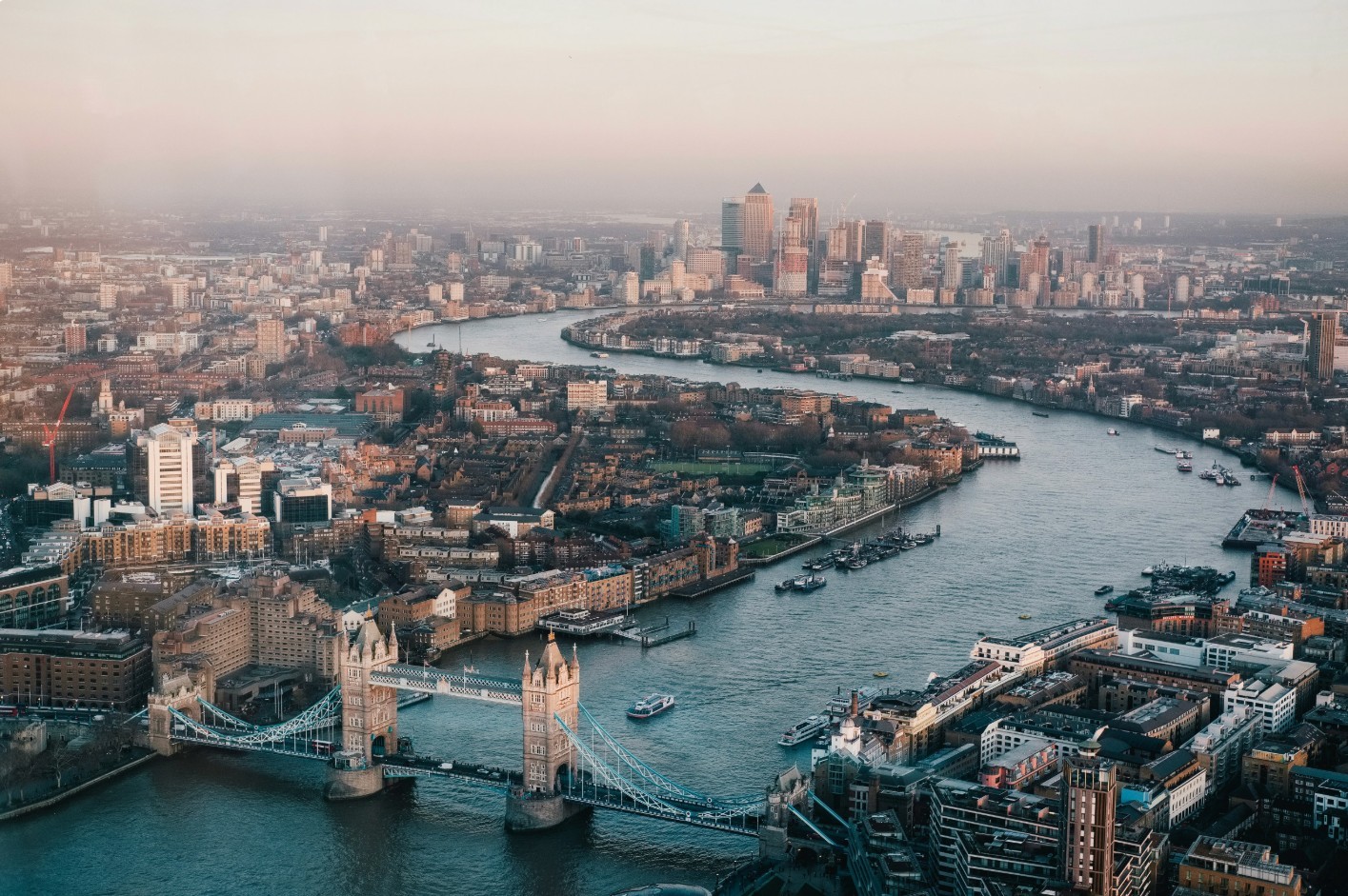
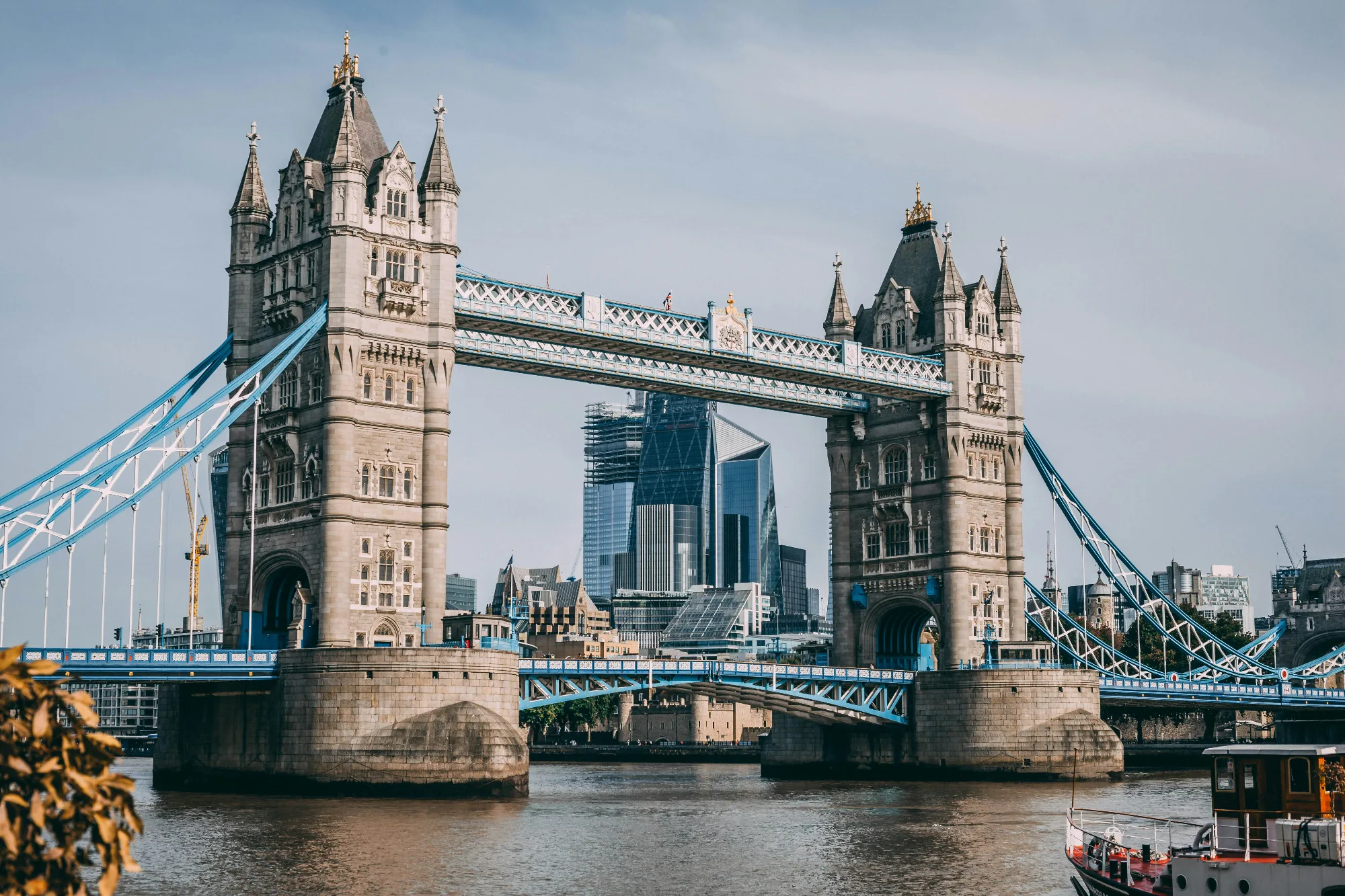
The Blavatnik Building viewing level offers some of the best free views in London, looking north across the Thames to St Paul's Cathedral, east toward Tower Bridge, and west along the river toward the City. No exhibition ticket is required to access this level.
Guided Tours and Audio Guides
Official guided tours are available through Tate Modern's programme and via external operators. Tate's own tours cover the permanent collection highlights with an expert guide, typically in groups of up to 20 people and lasting around an hour. These are ticketed and should be booked in advance via the Tate website, particularly for weekend sessions. Third-party art historian-led tours are also available through operators such as Context Travel and Sandemans, and tend to offer smaller group sizes and more tailored itineraries.
Free volunteer-led tours and gallery talks are offered regularly. Check the Tate What's On page for the current schedule, as these vary by week and are not always listed far in advance.
Audio guides are not a standard paid feature at Tate Modern in the way they are at some other museums. However, exhibition-specific audio content is often made available via the Tate website and app, and large print guides are available at all exhibition entrances.
Is Tate Modern Worth Visiting?
Honestly, it probably depends a little bit depending on how much contemporary art is your thing. However, the building itself is extraordinary, the Turbine Hall commissions are consistently among the most talked-about art events in London, and the permanent collection contains some of the most significant works of the 20th century in a well-designed, accessible setting. And fact that the core experience is entirely free makes it one of the best-value days out in London.
That said, getting the most out of Tate Modern rewards a little preparation. The building is large and the signage, while good, can feel disorienting on a first visit. Downloading the Tate app before you arrive, or picking up a free floor map at the entrance, makes navigation considerably easier.
If there is a temporary exhibition on during your visit, it is almost always worth adding to your plans, though advance booking is essential for the most popular shows.
Where Should I Eat Near Tate Modern?
Inside the gallery:
Tate Modern Restaurant and Bar sits on Level 6 of the Natalie Bell Building (Boiler House) with panoramic views of the Thames and St Paul's Cathedral. The menu focuses on modern British cooking and the views are among the best of any restaurant in London. Booking in advance is recommended, particularly at weekends.
The Riverside Café on Level 1 is a more casual option for sandwiches, soups, and lighter bites, and is well suited for families.
There are also café kiosks and a Turbine Hall café for quick drinks and snacks.
A short walk away:
Borough Market is a 12-minute walk east along the riverside and is one of London's finest food markets. Open Monday through Saturday, it is the best option in the area for grazing and picking up excellent artisan produce. Go on a weekday if possible; weekend crowds can be overwhelming.
Padella on Southwark Street (just off Borough Market) is one of London's most popular pasta restaurants, with handmade pasta at very reasonable prices. They do not take reservations, so arrive early or expect to queue.
The Swan at the Globe is a five-minute walk east at Shakespeare's Globe, with a restaurant and bar offering modern British food and Thames views directly across to St Paul's. Good for a relaxed lunch or an early dinner.
Caravan Bankside on Great Guildford Street is a seven-minute walk from the gallery and is well suited for groups and those with varied tastes, with an Antipodean-inspired menu covering grain bowls, flatbreads, and sharing plates.
Anchor and Hope on the Cut (about 11 minutes south on foot) is a well-regarded gastropub with a short, seasonal menu of hearty British food. No reservations taken for dinner; arrive early or be prepared to wait at the bar.
Seabird at The Hoxton Southwark on Blackfriars Road is a rooftop seafood restaurant on the 14th floor with sweeping city views and an extensive raw bar and oyster selection. More expensive, but excellent for a special occasion meal.
What Else is There to Do Near Tate Modern?
The South Bank and Bankside area is one of London's richest cultural corridors, and Tate Modern sits at the centre of it.
Shakespeare's Globe is a five-minute walk east and offers performances of Shakespeare's plays in an open-air reconstructed Elizabethan theatre from April through October. Guided tours of the theatre run year-round. Booking in advance is essential for performances.
The Millennium Bridge directly in front of the gallery leads across the Thames to St Paul's Cathedral in around five minutes on foot. The views from the bridge in both directions are among the best in London and cost nothing.
The Bankside riverfront walk is one of the great free experiences in London. Heading west from Tate Modern, you pass the Founders Arms pub, the Oxo Tower, Sea Containers, the National Theatre, the BFI Southbank cinema, the Southbank Centre, and the London Eye. The whole walk from Tower Bridge to Westminster Bridge along the South Bank takes around 45 minutes and can be broken up with stops at any point.
The Golden Hinde, a full-size replica of Sir Francis Drake's 16th-century galleon, is moored on the riverbank a short walk east of the gallery. A small but atmospheric attraction, particularly for children.
Borough Market is worth listing here as an attraction in its own right, not just a place to eat. One of the oldest and most celebrated food markets in Britain, it has been on this site in various forms since the 13th century.
Tate Britain is a 30-minute walk west along the Thames or a short Tube ride, and focuses on British art from 1500 to the present day. Entry to the permanent collection is free. For visitors interested in seeing both galleries in one London trip, the two make an excellent pair and complement each other well.
Rules, Bags, and Security
All visitors pass through a bag check on arrival. Bags and items larger than cabin bag size (55cm x 40cm x 20cm) must be checked into the free cloakroom for the duration of your visit. The cloakroom is for visit-length storage only, not extended left luggage; if you need to store bags outside your visiting hours, the nearest options are at London Bridge or Blackfriars stations.
Photography: Personal photography is welcome throughout the free collection galleries. Some temporary exhibitions restrict photography. Staff and signage will make this clear at the relevant entrance.
Sketching: Visitors are welcome to sketch in the galleries using pencils. Pens, paints, and easels are not permitted.
Children: There are no age restrictions for any part of Tate Modern. The gallery is family-friendly and regularly runs dedicated children's and family programming. Check the What's On page for current family events.
Cloakroom: Free cloakroom facilities are available in the gallery for large items, as noted above.
Accessibility at Tate Modern
Tate Modern is fully accessible and all entrances are step-free. Key accessibility features include:
Lifts in both the Natalie Bell Building (four lifts) and the Blavatnik Building (eight lifts)
RADAR key-operated lifts linking the South Entrance and the Turbine Hall ticket desks
Wheelchairs, mobility scooters, and walkers available free of charge — book in advance by phone or email, ideally with at least 24 hours' notice
Changing Places toilet on Level 0 of the Natalie Bell Building (check the Tate website for current equipment availability before visiting)
Hearing loops at the ticket desks
Large print guides, coloured overlays, and magnifiers available at all exhibition entrances
Disabled visitors pay a concessionary rate for exhibitions, with one free companion ticket per visit
A multi-faith prayer room is available on Level 4 of the Natalie Bell Building
Final Tips for Visiting Tate Modern
Friday and Saturday evenings are the hidden gem of the Tate Modern timetable. Open until 9:00pm, quieter from 6:00pm onwards, and a different type of experience from a busy afternoon visit.
Book temporary exhibition tickets as soon as you know your travel dates, especially for high-profile shows and weekend visits. These sell out. The permanent collection needs no booking whatsoever.
Download the Tate app and pick up a free floor map at the entrance. The building is large and the layout between the two connected structures takes a visit or two to fully navigate.
The Turbine Hall commission is always free and is often the single most impressive thing you will see. Always stop here, even briefly.
Tate Membership quickly pays for itself if you plan to visit more than one or two exhibitions, and gives you unlimited free exhibition access with no advance booking required.
Come on a weekday morning for the quietest experience of the permanent collection. Saturday afternoons between 11:00am and 3:00pm are the most crowded window of the week.
Borough Market is 12 minutes east on foot and makes an excellent before or after stop for lunch. Go on a weekday if crowds are a concern.
The views from the Blavatnik Building's top level are free. Even if you are not visiting an exhibition, they are worth the trip up.
Back to London Attractions
Explore other London attractions

" width="24px"><path d="M 0 0 L 24 0 L 24 21.231 L 0 21.231 Z" fill="transparent" height="21.230768474975793px" id="nL2EwDcS9" width="24px"/><path d="M 0 0.541 C 0 0.242 0.245 0 0.547 0 L 2.735 0 C 3.037 0 3.282 0.242 3.282 0.541 L 3.282 4.598 C 3.282 4.897 3.037 5.139 2.735 5.139 L 0.547 5.139 C 0.245 5.139 0 4.897 0 4.598 Z" fill="rgb(196, 217, 201)" height="5.138657337892187px" id="hZ_rlBe_S" transform="translate(0 16.092)" width="3.2820512820512358px"/><path d="M 0 0.541 C 0 0.242 0.245 0 0.547 0 L 2.735 0 C 3.037 0 3.282 0.242 3.282 0.541 L 3.282 7.843 C 3.282 8.142 3.037 8.384 2.735 8.384 L 0.547 8.384 C 0.245 8.384 0 8.142 0 7.843 Z" fill="rgb(230, 211, 160)" height="8.38412513024521px" id="HgVBxIz3e" transform="translate(5.128 12.847)" width="3.282051282051235px"/><path d="M 0 0.541 C 0 0.242 0.245 0 0.547 0 L 2.735 0 C 3.037 0 3.282 0.242 3.282 0.541 L 3.282 12.982 C 3.282 13.281 3.037 13.523 2.735 13.523 L 0.547 13.523 C 0.245 13.523 0 13.281 0 12.982 Z" fill="rgb(232, 207, 164)" height="13.522782468137464px" id="utgrDnoM9" transform="translate(10.325 7.708)" width="3.282051282051377px"/><path d="M 0 0.541 C 0 0.242 0.245 0 0.547 0 L 2.735 0 C 3.037 0 3.282 0.242 3.282 0.541 L 3.282 16.498 C 3.282 16.797 3.037 17.039 2.735 17.039 L 0.547 17.039 C 0.245 17.039 0 16.797 0 16.498 Z" fill="rgb(233, 196, 166)" height="17.038705909853153px" id="OLOhW6STz" transform="translate(15.521 4.192)" width="3.2820512820512384px"/><path d="M 0 0.541 C 0 0.242 0.245 0 0.547 0 L 2.735 0 C 3.037 0 3.282 0.242 3.282 0.541 L 3.282 20.69 C 3.282 20.989 3.037 21.231 2.735 21.231 L 0.547 21.231 C 0.245 21.231 0 20.989 0 20.69 Z" fill="rgb(217, 170, 153)" height="21.230768474975793px" id="H5Z8wcwkd" transform="translate(20.718 0)" width="3.2820512820512278px"/></g></svg>)