Back to London Attractions
NOTE: Don't get confused. The Tate Britain is not the Tate Modern, and displays different types of art.
Do You Need to Book Tate Britain Tickets in Advance?
Updated August 2026
Henry Tate, the sugar magnate who donated 65 paintings and £80,000 to the nation in 1892, probably did not anticipate that his gift would eventually give rise to the national gallery of British art, holding the most comprehensive collection of British painting and sculpture in the world. But that is what stands today on Millbank beside the Thames, on the site of the former Millbank Penitentiary from which convicts were shipped to Australia in the 19th century: a grand neo-classical building of Portland stone that holds over 500 years of British art, from a Tudor portrait by an unknown hand painted around 1510 to a canvas finished last year. JMW Turner, John Constable, William Hogarth, John Everett Millais, Barbara Hepworth, Francis Bacon, Lucian Freud, David Hockney, Bridget Riley, and Tracey Emin are all here, along with thousands of other artists who have shaped the way Britain has seen itself across five centuries. The permanent collection is free to enter, no booking is required, and the gallery is open every day of the year except Christmas. It is consistently one of the most undervisited great museums in London, overshadowed by its younger and more fashionable sibling across the river, and that relative quiet is one of its most significant advantages. This guide covers everything you need to know before you go.
At a Glance
How Early to Book:
No advance booking needed for the permanent collection, as same-day tickets are sold at the door. Special exhibits may require booking ahead.
Best Times to Visit:
Weekday mornings (Tuesday- Thuresday) will have the least crowds.
Ticket price:
Free of charge for all.
Museum Website:
Museum Address:
Do You Need to Book Tate Britain Tickets in Advance?
For the permanent collection, no. Entry to Tate Britain's permanent galleries is free for everyone, and no ticket, booking, or timed slot is required at any time. You can walk in at any point during opening hours and go straight to the galleries without any advance arrangement. This is one of the most important things to know about the gallery: the full collection, from the Tudor portraits through the Hogarths and Gainsboroughs, the Pre-Raphaelites, the Clore Gallery's Turner collection, the 20th-century British masters, and the contemporary galleries, is all accessible without a penny paid or a form filled in.
For ticketed temporary exhibitions, advance booking is recommended and in some cases close to essential. Tate Britain's major paid exhibitions sell out on popular weekend dates and during school holidays, and the most prominent shows attract large audiences throughout their runs. Walk-up tickets may be available at the desk on less busy weekdays, but booking online in advance guarantees your date, avoids any wait, and is best practice for any show you specifically want to see.
Book special exhibition tickets through the official Tate website. The Tate website is the only official booking platform.
Tate Britain Opening Hours and Entry Information
Tate Britain is open Monday to Sunday, 10:00 to 18:00. It is closed on 24, 25, and 26 December.
These hours are consistent throughout the year, with no seasonal variation. The gallery is open on all other public holidays including bank holidays.
Last admission for the permanent collection is at 17:30. Ticket desks close 30 minutes before the gallery closes. Temporary exhibitions have their own last admission times, which are listed on individual exhibition pages and vary by show.
Late at Tate Britain on the first Friday of each month extends the gallery's lifespan into the evening with a programme of events typically running from 18:00 to 22:00. The permanent collection and exhibitions are accessible with half-price exhibition tickets during this evening programme.
The Manton Entrance on Atterbury Street is the step-free entrance to the building, with automatic sliding doors and a ramp with central handrails. The main entrance is via the steps from Millbank. Both give access to the full gallery.
Bags larger than cabin bag size (55cm x 40cm x 20cm) are not permitted inside the building. There is a left luggage facility at Victoria station for visitors arriving with larger bags. The gallery does not have an on-site left luggage service.
What is the Best Way to Get to Tate Britain?
Tate Britain is located at Millbank, London SW1P 4RG, on the north bank of the Thames in Pimlico, and is moderately well served by public transport though less immediately convenient than some central London attractions.
By Tube: The nearest station is Pimlico (Victoria line), around a 10-minute walk from the gallery. From the station exit, turn left onto Bessborough Street, continue to Millbank, and turn right; the gallery is visible ahead on the riverfront. Vauxhall (Victoria line and National Rail) is around 850 metres from the gallery, a roughly 12-minute walk along the riverside path from the south, and is useful for visitors arriving from south London. Victoria (Victoria, District, and Circle lines, and National Rail) is around 1,600 metres away, a 20-minute walk or short bus ride, and is the most practical Tube option for visitors arriving from the wider National Rail network.
By bus: Route 87 stops directly on Millbank outside the gallery. Routes 88 and C10 stop on John Islip Street, one street to the east of Millbank. Routes 2, 36, 185, and 436 stop on Vauxhall Bridge Road, from which the gallery is a short walk south.
The Tate Boat is the most characterful way to travel between Tate Britain and Tate Modern, and one of the most enjoyable short river journeys in London. The river bus service operates during gallery opening hours, calling at Millbank Pier (just outside Tate Britain) and at Bankside Pier (just outside Tate Modern), with an intermediate stop at Embankment Pier. The boat runs approximately every 40 minutes and the journey takes around 18 minutes. A Tate-branded Tate Boat ticket can be purchased at either gallery or via the Thames Clippers website. The boat is a practical option for visitors combining both Tate galleries in a single day and a very pleasant one on a fine afternoon.
By Santander Cycle (bike hire): Santander Cycles docking stations are available on Millbank Tower (around 320 metres from the gallery), Rampayne Street near Pimlico Tube station (around 480 metres), Vauxhall Bridge (around 643 metres), and Regency Street, Westminster (around 645 metres). Bike parking is available near the Manton Entrance on Atterbury Street.
On foot: Tate Britain is around 15 minutes on foot from Westminster Abbey and the Houses of Parliament, around 15 minutes from the Churchill War Rooms, and around 20 minutes from the South Bank via Lambeth Bridge. The riverside walk from Westminster Bridge along the Embankment and then south along Millbank is a pleasant 20-minute approach in fine weather.
By car: There is no on-site parking. The area around Millbank has limited on-street parking and is subject to residents' permit restrictions. The gallery is within the London Congestion Charge zone. Public transport or cycling is significantly more practical.
What is the Best Time to Visit Tate Britain?
Weekday mornings from Tuesday to Thursday are consistently the quietest time for the permanent collection. Arriving at 10:00 on a Wednesday or Thursday gives you the chronological galleries, the Clore Gallery, and the Duveen sculpture courts in very comfortable conditions, with space to stand in front of paintings without competing for position. The gallery's Millbank location means it draws fewer opportunistic passing visitors than more centrally positioned museums, and weekday mornings reflect this with a calm that the more famous galleries in the city rarely match.
Late weekday afternoons (from around 15:30) are a useful secondary quiet window, particularly in the final 90 minutes before closing. Temporary exhibitions thin noticeably in the late afternoon on weekdays, and the permanent galleries are at their calmest at this hour.
Weekends are busier, particularly between 11:00 and 15:00. Saturday afternoons are the single busiest period of the week. If visiting at a weekend, arriving at 10:00 opening is the most effective strategy for a comfortable experience of both the permanent collection and any ticketed exhibition.
The first Friday of each month for Late at Tate Britain brings a younger, more social crowd and a livelier atmosphere than any other evening. Half-price exhibition entry applies throughout the evening. This is not the time to come for quiet contemplation of the permanent collection, but it is one of the most enjoyable evenings any London gallery offers, and it is specifically recommended for visitors who want to see a major temporary exhibition at reduced cost in an informal setting.
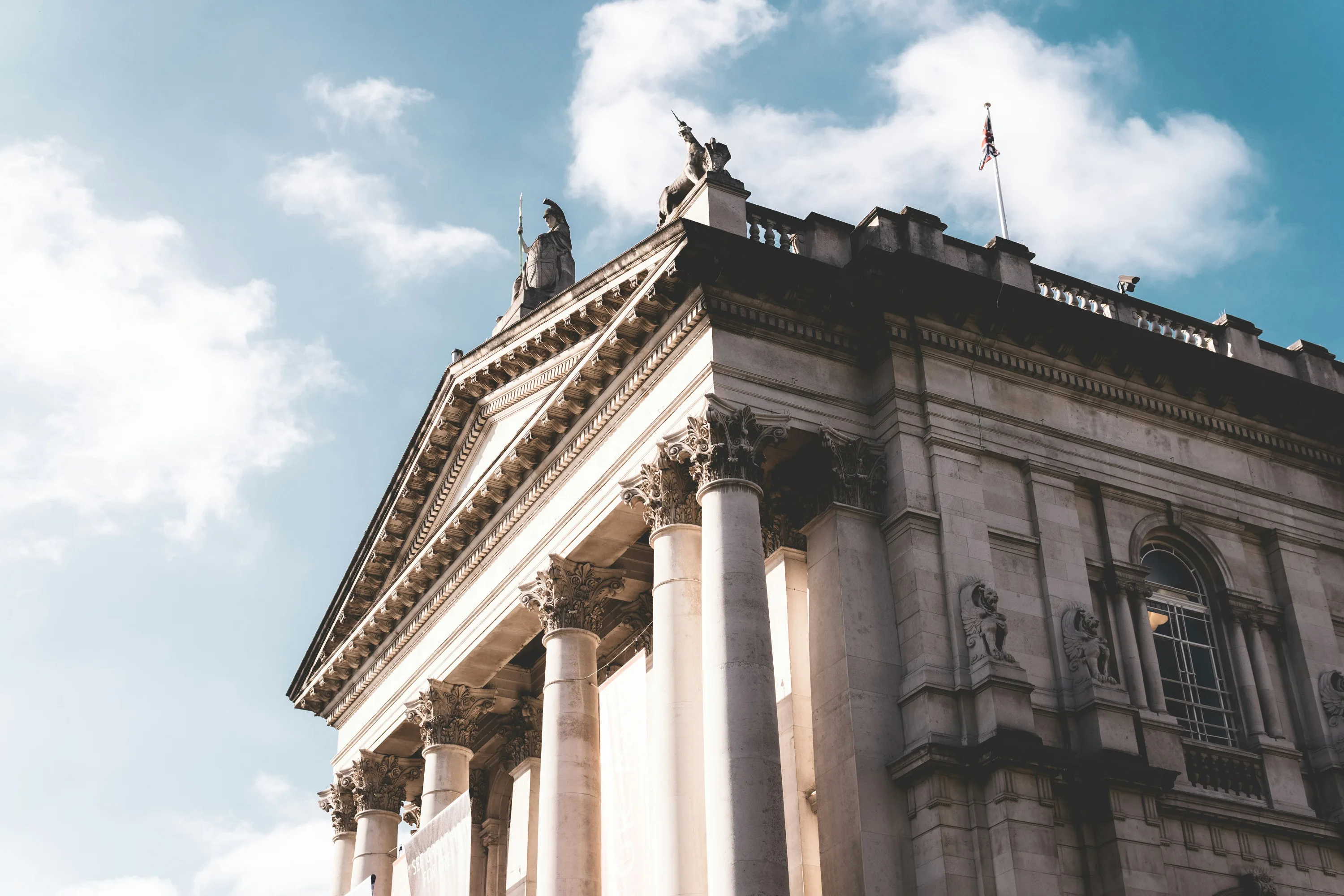
The Tate Britain has occupied this historic Neoclassical building—formerly the site of the Millbank Penitentiary—since it was opened in 1897 as the National Gallery of British Art.
Is Tate Britain Worth Visiting?
For visitors who assume that British art means landscapes and portraits and little else, the collection's range will be a surprise and a pleasure. Plus, this place is free to get into, so it's a "why not" type of situation. Five hundred years of a nation's art, held in a single building with free access, is one of the most remarkable things London's museum culture offers.
The Turner collection is the foundation on which Tate Britain's reputation rests, and it justifies that reputation fully. The Clore Gallery, a dedicated wing designed by James Stirling and opened in 1987, holds the world's largest collection of Turner's work: around 300 oil paintings, plus thousands of watercolours and sketches from the Turner Bequest of 1856. The oils span his full career, from the early topographical work that showed the influence of 17th-century Dutch painting to the near-abstract later canvases of stormy seas, burning buildings, and atmospheric light effects that made him the most discussed and controversial painter of the Victorian era and the acknowledged forefather of Impressionism. Works including The Fighting Temeraire (voted the nation's favourite painting in a 2005 poll), Rain, Steam and Speed, and the extraordinary sequence of Venice paintings are all here. No other single collection anywhere in the world provides this depth of access to Turner's full output and development.
The Pre-Raphaelite collection is the second great strength of the building, and the sequence of rooms dedicated to mid-Victorian painting is one of the most richly coloured and narratively intense museum experiences in London. John Everett Millais's Ophelia, the painting of Lizzie Siddal floating in a stream ringed by symbolic plants, is the most visited work in the entire gallery and one of the most reproduced British paintings in history. William Holman Hunt's The Awakening Conscience, Dante Gabriel Rossetti's portraits of women as symbolic ideals, and Ford Madox Brown's panoramic Work are all here, alongside dozens of lesser-known Pre-Raphaelite works that reward time spent with them.
The chronological permanent collection occupies the main run of galleries from Room 1 to the contemporary wing, walking the visitor from Tudor portraits through the great age of landscape painting, through the Victorian narrative tradition, through the early 20th-century modernist British school, and into the post-war generation of Bacon, Freud, Hepworth, and Moore. Walking this sequence from one end to the other is one of the most coherent ways to understand the five centuries of British visual culture in a single afternoon, and it is free.
Francis Bacon, Lucian Freud, and the School of London are particularly well represented in the later rooms. Bacon's screaming figures and distorted portraits, Freud's unflinching close-range figure studies, and the work of Frank Auerbach and Leon Kossoff together make the mid-20th-century British section one of the most viscerally compelling areas of the gallery.
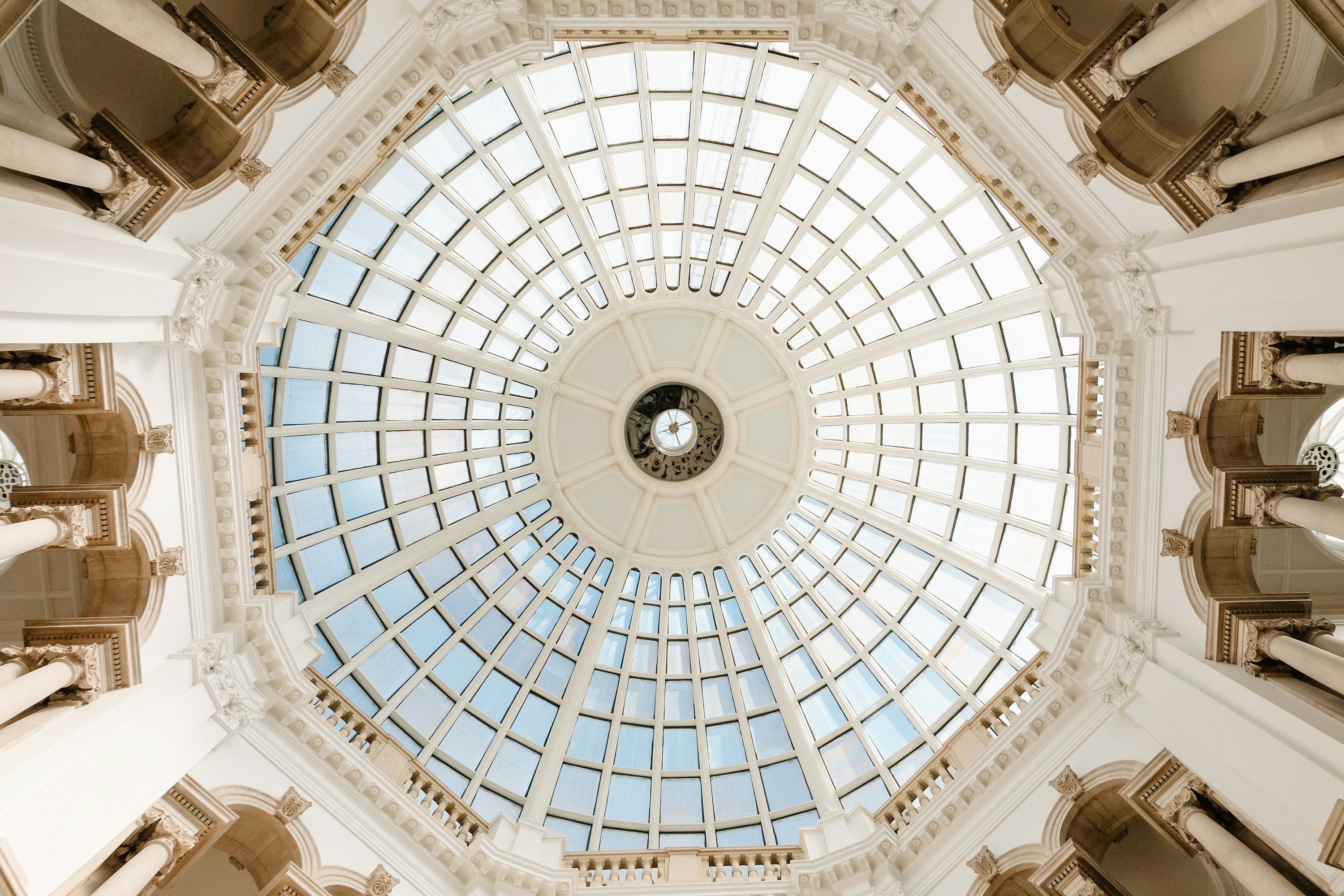
The Duveen Galleries are the most architecturally spectacular spaces in the building: a long enfiladed sequence of neoclassical rooms with barrel-vaulted ceilings, natural light from skylights above, and the scale of a 19th-century public institution at full confidence. They were the first public galleries in England designed specifically to show sculpture, and they remain the gallery's primary venue for the annual Tate Britain Commission, in which a single British artist is invited to fill the galleries with a newly commissioned work.
Hogarth is the most underrated pleasure in the building for visitors who do not arrive expecting him. Gin Lane, Beer Street, and the Marriage A-la-Mode series of satirical paintings are among the sharpest and most savage social documents of 18th-century Britain, and their wit and detail reward the close attention that a gallery visit allows more than a reproduction ever can.
How Much Time Should I Spend at Tate Britain?
For a focused visit covering the Turner collection in the Clore Gallery, the Pre-Raphaelite rooms, and the highlights of the 20th-century British collection, allow two to three hours at a comfortable pace. A half-day visit taking in the full chronological collection from Tudor times to the present, at a walking pace, is entirely realistic and will still leave individual rooms less explored than they deserve.
A rough guide:
Tudor, Stuart, and Georgian painting (Rooms 1 to 10): 20 to 30 minutes for a focused walk
Victorian and Pre-Raphaelite galleries (Rooms 11 to 16): 30 to 40 minutes
The Clore Gallery (Turner collection): 30 to 45 minutes
20th-century British art, Bacon, Freud, and contemporaries: 20 to 30 minutes
Current temporary exhibitions: Hurvin Anderson (until 23 August 2026), 45 to 60 minutes; and James McNeill Whistler (until 27 September 2026), Europe's largest Whistler retrospective in three decades with around 150 works spanning painting, drawing, printmaking, and design, 45 to 60 minutes.
Duveen Galleries and current commission: 10 to 15 minutes
For families with children: The free children's trails available at the information desk provide a focused route through the collection designed for younger visitors. The Pre-Raphaelite rooms with their narrative paintings, the Turner seascape and storm canvases, and the Duveen sculpture courts are the most engaging areas for children. A two-hour focused family visit is manageable and rewarding.
Re-entry is permitted on the same day, subject to security checks. This makes it practical to go out for lunch and return in the afternoon to continue a visit or to see both the permanent collection and a temporary exhibition across a full day.
Guided Tours and Talks
Free guided tours run on the hour during gallery opening hours. No booking is required; simply ask at the information desk for the current tour schedule and meeting point. The tours cover the highlights of the permanent collection with commentary from trained gallery guides and last approximately one hour.
Free 15-minute talks on specific paintings, artists, and artistic styles are given at 1:15pm on Tuesdays, Wednesdays, and Thursdays. These are an excellent option for visitors who want a brief, focused point of engagement rather than a full-hour tour. No booking required; ask at the information desk for the current talk location.
Discovery Tours offer a one-hour small-group guided experience of celebrated masterpieces in the collection with an expert English-speaking guide. These are ticketed and must be booked in advance through the Tate website or through authorised tour operators. The tour is wheelchair accessible.
Audio guides are not available as a standard hire product for the permanent collection in the way they are at many museums; the free tours and talks programme is Tate Britain's primary guided interpretation tool. Exhibition-specific audio content may be available within individual ticketed shows.
Where Should I Eat at and Near Tate Britain?
The Rex Whistler Restaurant at Tate Britain is the gallery's main restaurant and one of the most characterful dining rooms of any London museum. Opened in 1927 and named after the artist Rex Whistler, who painted the extraordinary trompe l'oeil mural covering all four walls of the room, The Expedition in Pursuit of Rare Meats, it is a remarkable room even by the standards of London's great museum restaurants. The mural depicts a fantastical landscape of mountains, classical temples, and hunting parties in a continuous panoramic narrative that rewards reading slowly around the walls. The restaurant serves a traditional British lunch menu and is particularly popular for Sunday lunch. Booking is strongly recommended, especially for weekend visits.
The café at Tate Britain provides a more casual option for coffee, cakes, sandwiches, and light meals during gallery hours, without the need for advance booking.
For eating beyond the gallery, the Pimlico and Westminster areas offer a range of options, though neither is London's most rewarding dining neighbourhood.
The Café in the Crypt at St Martin-in-the-Fields, around 20 minutes on foot through Westminster and along Whitehall to Trafalgar Square, is one of the most characterful lunch venues in central London, serving a good café menu at reasonable prices in the medieval crypt beneath an 18th-century church.
Victoria Street and the Nova development around Victoria station offer a concentration of mid-range restaurants and cafés around 20 minutes on foot to the north-west. The quality and range improve the further you move from Parliament Square towards Victoria.
Vauxhall and the surrounding streets to the south of the gallery, around 10 to 15 minutes on foot along the Thames, have a growing concentration of independent restaurants, bars, and the street food market around Vauxhall Arches that has developed considerably in recent years.
For a broader and more varied range of dining options, Soho and Covent Garden are around 20 to 25 minutes by Tube (Pimlico to Leicester Square on the Victoria and Northern lines) and represent the most comprehensive dining choices at any price point in central London.
Accessibility at Tate Britain
Tate Britain is fully wheelchair accessible throughout the building.
Step-free entry is via the Manton Entrance on Atterbury Street, which has automatic sliding doors and a ramp with central handrails. This is the recommended entry point for all visitors with mobility difficulties and for pushchair users.
Wheelchairs and scooters are available to borrow free of charge, subject to availability. Walkers are also available. Ask at the information desk on arrival.
Hearing loops are fitted at the ticket desks. Coloured overlays and magnifiers are available at exhibition entrances and from gallery staff.
Large print guides are available for all current exhibitions; ask at the exhibition entrance or download from the exhibition's page on tate.org.uk. Large print captions are not currently available for the permanent collection galleries, but magnifiers can be borrowed from the information desks.
Disabled visitors receive a concessionary exhibition ticket rate. One companion accompanying a disabled visitor receives a complimentary ticket; book this at the same time as the disabled visitor's ticket online, or arrange at the ticket desk.
Rules and Practical Information
Bag size: bags larger than cabin size (55cm x 40cm x 20cm) are not permitted inside the building. There are no left luggage facilities at Tate Britain. If you are visiting on a day when you have a larger bag, the nearest left luggage is at Victoria station.
Photography and video for personal, non-commercial use is permitted in most areas of the permanent collection and the Duveen Galleries. Photography of specific artworks may be restricted by copyright; comply with any restriction notices posted next to individual works. Flash photography is not permitted. Commercial photography requires prior permission.
Potentially dangerous objects are not permitted in the building. Security staff reserve the right to refuse any item they consider presents a risk.
Children under 12 may enter free of charge, up to four per adult. Children should be supervised by an adult at all times in the gallery.
Re-entry on the same day is permitted after leaving the building, subject to security checks.
Food and drink are not permitted in the galleries. The Rex Whistler Restaurant and the café are the designated eating areas.
What Else is There to Do Near Tate Britain?
The Churchill War Rooms, around 15 minutes on foot through Westminster, are the underground Cabinet War Rooms from which Churchill and his War Cabinet directed Britain's involvement in the Second World War. One of the most highly reviewed paid attractions in London, operated by the Imperial War Museum. Advance booking strongly recommended.
Westminster Abbey, around 15 minutes on foot through Westminster, holds nearly a thousand years of British royal and cultural history in one of the great Gothic buildings of Europe. Entry is charged and advance booking is recommended.
The Houses of Parliament and the Elizabeth Tower (Big Ben) are around 15 minutes on foot. Full guided tours of the Houses of Parliament run on Saturdays and during recess; the Elizabeth Tower climb is one of the most extraordinary experiences available in London but requires very advance planning due to the ticket release schedule.
Tate Modern, on the South Bank, is the most natural companion gallery to Tate Britain and is reached most enjoyably by the Tate Boat river bus, which runs between Millbank Pier and Bankside Pier during gallery opening hours. Where Tate Britain covers British art from 1500 to the present, Tate Modern covers international modern and contemporary art from around 1900 to the present in the former Bankside Power Station, one of the great adaptive reuse buildings in the world. The two galleries are complementary in coverage and very different in character; a day combining both using the boat is one of the finest free cultural days London offers.
Tate Britain's own riverside terrace and the stretch of Millbank between the gallery and Vauxhall Bridge provide a very pleasant riverside walk in fine weather, with views across the Thames to the Lambeth Palace and the South Bank.
Final Tips for Visiting Tate Britain
No booking required for the permanent collection. Walk in at any time. This is one of the great free museums of the world and arriving without advance arrangement is both possible and encouraged.
Go to the Clore Gallery for Turner. Many first-time visitors walk the main chronological galleries and run out of energy before reaching the dedicated Turner wing. The Clore Gallery, in the north-east corner of the building, holds the world's largest collection of Turner's work and deserves your freshest attention. Consider visiting it first before the main galleries.
Use the first Friday Late at Tate Britain as your entry point if you are aged 16 to 25 or simply prefer a more social, informal museum experience. Half-price exhibitions, live music, and a late bar make it one of the best monthly cultural events in London.
Eat in the Rex Whistler Restaurant. The mural by Rex Whistler on all four walls of the restaurant is one of the most extraordinary decorative interiors in any London museum dining room, and Sunday lunch here is a long-standing London tradition. Book in advance.
Take the Tate Boat to Tate Modern. The 18-minute river journey between the two galleries is one of the most pleasurable short journeys in London, and combining both Tates in a single day using the boat is one of the most rewarding free cultural itineraries the city offers.
Consider a Late afternoon weekday visit. The gallery is at its quietest from around 15:30 on weekdays, and the permanent collection in low afternoon light, with the rooms largely empty, is one of the more quietly satisfying museum experiences in London.
Combine with the Churchill War Rooms for a strong Westminster day. The two institutions are 15 minutes apart, they cost nothing and around £34 respectively, and they provide complementary windows into British history across very different registers: one showing how Britain has imagined itself visually over five centuries, the other showing the underground rooms where its survival was planned in the darkest years of the 20th century.
Back to London Attractions
Explore other London attractions

" width="24px"><path d="M 0 0 L 24 0 L 24 21.231 L 0 21.231 Z" fill="transparent" height="21.230768474975793px" id="nL2EwDcS9" width="24px"/><path d="M 0 0.541 C 0 0.242 0.245 0 0.547 0 L 2.735 0 C 3.037 0 3.282 0.242 3.282 0.541 L 3.282 4.598 C 3.282 4.897 3.037 5.139 2.735 5.139 L 0.547 5.139 C 0.245 5.139 0 4.897 0 4.598 Z" fill="rgb(196, 217, 201)" height="5.138657337892187px" id="hZ_rlBe_S" transform="translate(0 16.092)" width="3.2820512820512358px"/><path d="M 0 0.541 C 0 0.242 0.245 0 0.547 0 L 2.735 0 C 3.037 0 3.282 0.242 3.282 0.541 L 3.282 7.843 C 3.282 8.142 3.037 8.384 2.735 8.384 L 0.547 8.384 C 0.245 8.384 0 8.142 0 7.843 Z" fill="rgb(230, 211, 160)" height="8.38412513024521px" id="HgVBxIz3e" transform="translate(5.128 12.847)" width="3.282051282051235px"/><path d="M 0 0.541 C 0 0.242 0.245 0 0.547 0 L 2.735 0 C 3.037 0 3.282 0.242 3.282 0.541 L 3.282 12.982 C 3.282 13.281 3.037 13.523 2.735 13.523 L 0.547 13.523 C 0.245 13.523 0 13.281 0 12.982 Z" fill="rgb(232, 207, 164)" height="13.522782468137464px" id="utgrDnoM9" transform="translate(10.325 7.708)" width="3.282051282051377px"/><path d="M 0 0.541 C 0 0.242 0.245 0 0.547 0 L 2.735 0 C 3.037 0 3.282 0.242 3.282 0.541 L 3.282 16.498 C 3.282 16.797 3.037 17.039 2.735 17.039 L 0.547 17.039 C 0.245 17.039 0 16.797 0 16.498 Z" fill="rgb(233, 196, 166)" height="17.038705909853153px" id="OLOhW6STz" transform="translate(15.521 4.192)" width="3.2820512820512384px"/><path d="M 0 0.541 C 0 0.242 0.245 0 0.547 0 L 2.735 0 C 3.037 0 3.282 0.242 3.282 0.541 L 3.282 20.69 C 3.282 20.989 3.037 21.231 2.735 21.231 L 0.547 21.231 C 0.245 21.231 0 20.989 0 20.69 Z" fill="rgb(217, 170, 153)" height="21.230768474975793px" id="H5Z8wcwkd" transform="translate(20.718 0)" width="3.2820512820512278px"/></g></svg>)